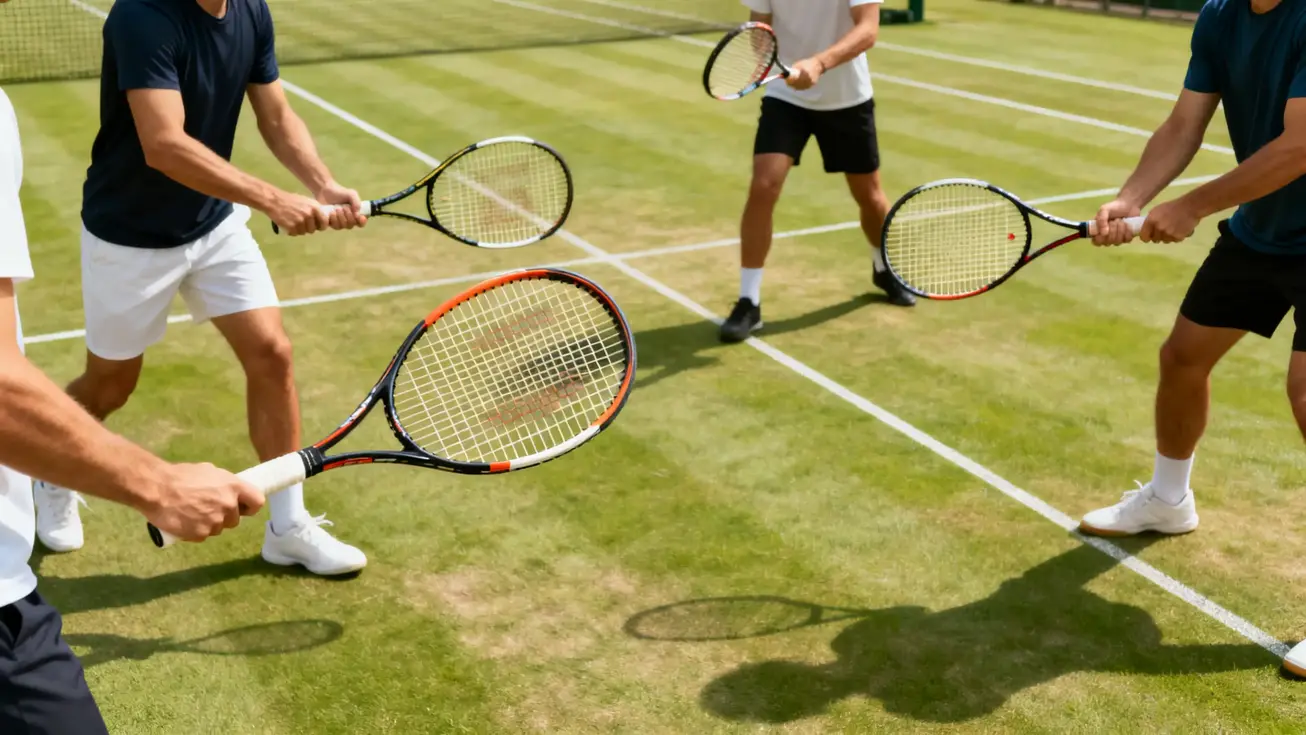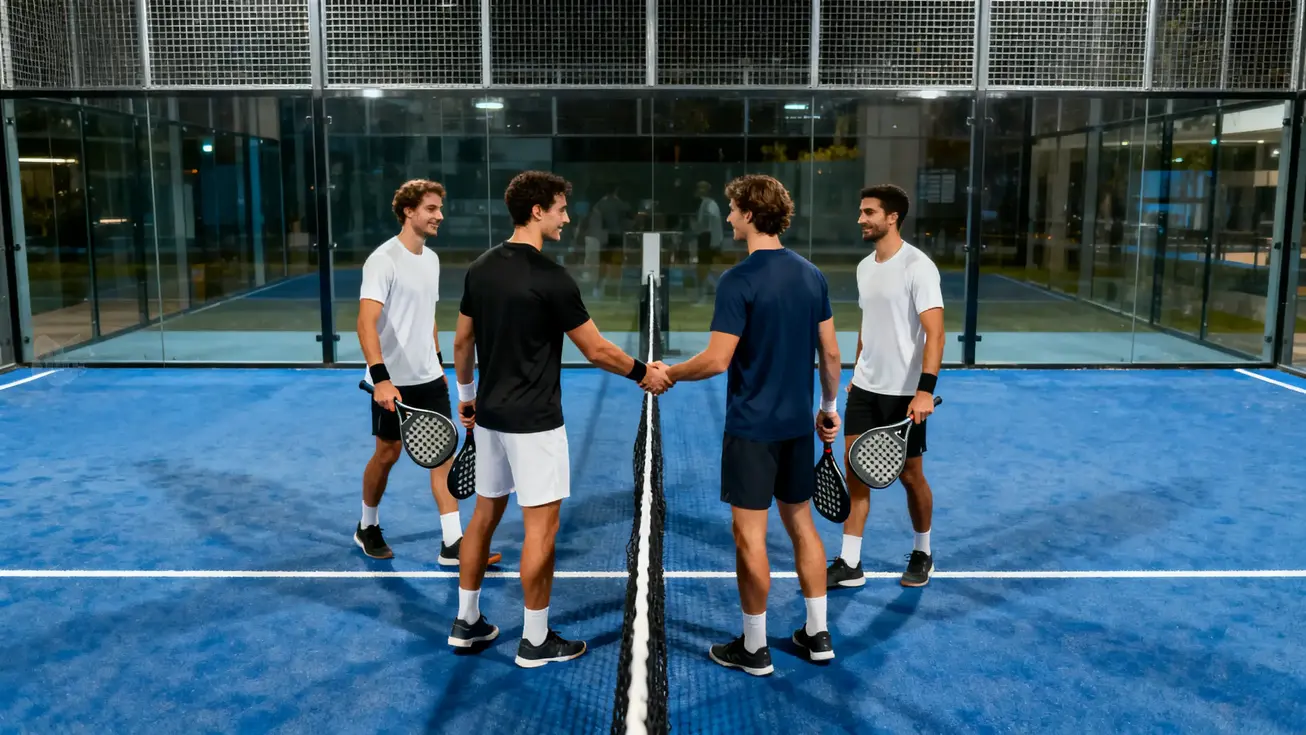
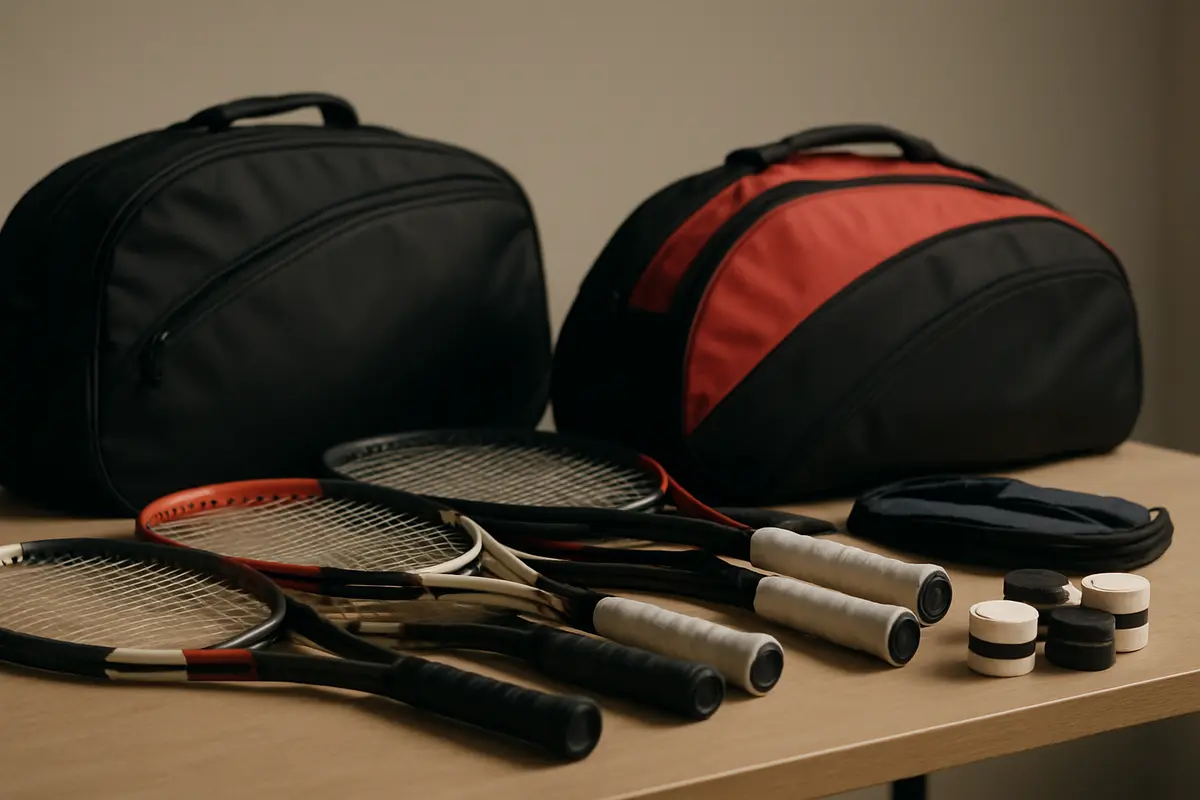
Someone at your club has three padel rackets and plays with one. Someone else is about to spend full retail on a beginner frame they will outgrow in six months. These two people have never spoken. A gear-swap stall fixes that.
Running one is not complicated, but it does need a little structure or it becomes a jumble sale that nobody trusts. I have helped organise two of these, one at a padel club in south London and one at a tennis club in Edinburgh, and the difference between a stall that moves gear and one that just collects dust is almost entirely in the setup. Here is what actually works.
Getting the gear in before the day#
The stall lives or dies on what is on the table. If you arrive with four items, players walk past. If you have thirty, they stop and look.
Start collecting four to six weeks out. Put a single message in the club WhatsApp or newsletter: "Bring any gear you no longer use. Rackets, bags, grips, shoes, court shoes, padel gloves. We will sell it for you and you keep the money." Keep it short. People respond to specific asks, not long explanations.
Set a drop-off point in the clubhouse, a named shelf or box, and check it weekly. Tag every item as it arrives with a sticky note: owner's name, their asking price, and a condition note (more on condition in a moment). A simple spreadsheet with item, owner, asking price, and sold or unsold is all the admin you need. Do not overcomplicate it. The goal is to reunite gear with players who will use it, not to run an auction house.
One thing worth doing early: ask a coach or experienced player to cast an eye over frames before the day. A cracked frame or a padel racket with delaminating face panels should not go on the table without disclosure. Transparency is what makes the whole thing worth attending.
Pricing: a framework that does not require haggling#
Pricing pre-owned gear is where most club swaps go wrong. Owners overprice because they remember what they paid. Buyers walk away. Nothing sells.
I use a simple three-tier guide when helping owners set prices. It is not a formula, it is a starting point for a conversation.
| Condition | Description | Suggested price (% of current RRP) |
|---|---|---|
| Like new | Used fewer than five times, no visible marks, full original grip | 60-70% |
| Good | Regular use, minor cosmetic marks, grip replaced once | 40-55% |
| Fair | Visible wear, possible repaint or grip wear, fully playable | 20-35% |
| Spares / project | Cosmetic damage, needs regripping or minor repair | Under 20% or swap only |
A few notes on applying this. Tennis racket weight is quoted unstrung, so if a frame is listed with strings already on it, that adds a little value. For padel rackets, the condition of the hitting surface matters more than cosmetics: soft EVA foam cores that have taken a hard knock can lose their feel, and that is worth disclosing. Never describe a padel racket's playing characteristics in terms of string tension. There are no strings. Talk about the foam density, the face material (carbon or fibreglass), and the shape (round shapes typically favour control, diamond shapes favour power).
If an owner insists on a price above the guide, that is their right. Just mark it clearly and let the market decide. I have seen a pristine Head Graphene 360 sell in under ten minutes at 65% of RRP and a scratched mid-range frame sit all day at 50% because the owner would not budge. The guide works when people trust it.
Handling money without it getting awkward#
Cash is simplest for a one-day stall, but a lot of players do not carry it. Set up a shared QR code for a payment app (Monzo, PayPal, Revolut, whatever the club already uses) and tape it to the table. Have one designated person receiving payments and marking items as sold in the spreadsheet in real time.
The payout model that causes fewest arguments: collect all money during the stall, then transfer or hand cash to each owner within 48 hours of the event. Keep a small percentage (I suggest 5-10%) for the club social fund or a junior programme if the committee agrees in advance. Be transparent about this before you collect a single item. If you do not mention a cut upfront and then take one, you will not run a second stall.
For high-value items (anything over £150), I recommend agreeing a reserve price with the owner and getting a quick message confirmation before accepting any offer below it. Thirty seconds of admin saves a difficult conversation later.
Promoting it so people actually come#
A gear-swap stall is a social event as much as a transaction. Time it to coincide with something the club already does: a social morning, an end-of-season tournament, a club day. Footfall is your friend.
Promote it in three waves. Four weeks out: call for donations and items. Two weeks out: announce what is coming (a rough count of items, any notable frames). Three days out: a reminder with a specific detail ("we have got a Wilson Blade 98 and two Bullpadel frames on the table, come early"). Specific details convert browsers into attendees.
A physical poster on the clubhouse noticeboard still works, particularly for older members who are not in the WhatsApp group. One A4 sheet with the date, time, and "bring cash or pay by phone" is enough.
If your club has a coach who does junior sessions, ask them to mention it to parents. Junior players outgrow gear fast, and parents buying a first racket for a ten-year-old have no reason to pay full retail when a well-maintained pre-owned frame is sitting at 40% of RRP two courts away.
Making it a regular thing#
A one-off stall is useful. A twice-yearly stall becomes part of club culture. Run it at the start of the season (when players are upgrading) and at the end (when they are clearing out). After the first event, you will have a list of people who submitted items and a rough sense of what sold and what did not. Use that to brief the next collection drive.
Between events, point members to pre-owned tennis rackets and padel rackets on EpicRackets for anything that does not shift on the day. A frame that does not find a buyer at your club might be exactly what someone across the country is looking for. Listing takes a few minutes and keeps the gear in play rather than in a cupboard. If you want a walkthrough of what makes a listing actually sell, the post on selling pre-owned rackets covers condition photos, descriptions, and pricing in more detail.
The broader point is this: clubs are well placed to normalise pre-owned gear culture in a way that individual classifieds never quite manage. When a coach recommends a pre-owned frame to a beginner, or when a stall at a club day shows players that quality gear changes hands at fair prices, it shifts the assumption that new is the only option. It is not. Good gear should be played with, not stored.
If you are thinking about running a stall and want to talk through the specifics, the how it works page explains how the marketplace side fits alongside in-person events. The two work well together.