Stan Wawrinka despediu-se do EFG Swiss Open em Gstaad esta semana, segundo um resumo de ATP publicado pela Deadspin. O veterano suíço, um dos poucos homens a vencer três títulos de Grand Slam diferentes, fez a sua última aparição no evento em terra batida que sempre fez parte do seu calendário do país de origem. É o tipo de despedida que marca silenciosamente o fim de uma era no ténis masculino.
Para a maioria dos adeptos, este é um momento sentimental. Para quem joga com - ou vende - equipamento de ténis, é também um ponto de viragem prático que vale a pena observar.
Por que a reforma de Wawrinka importa para além da nostalgia#
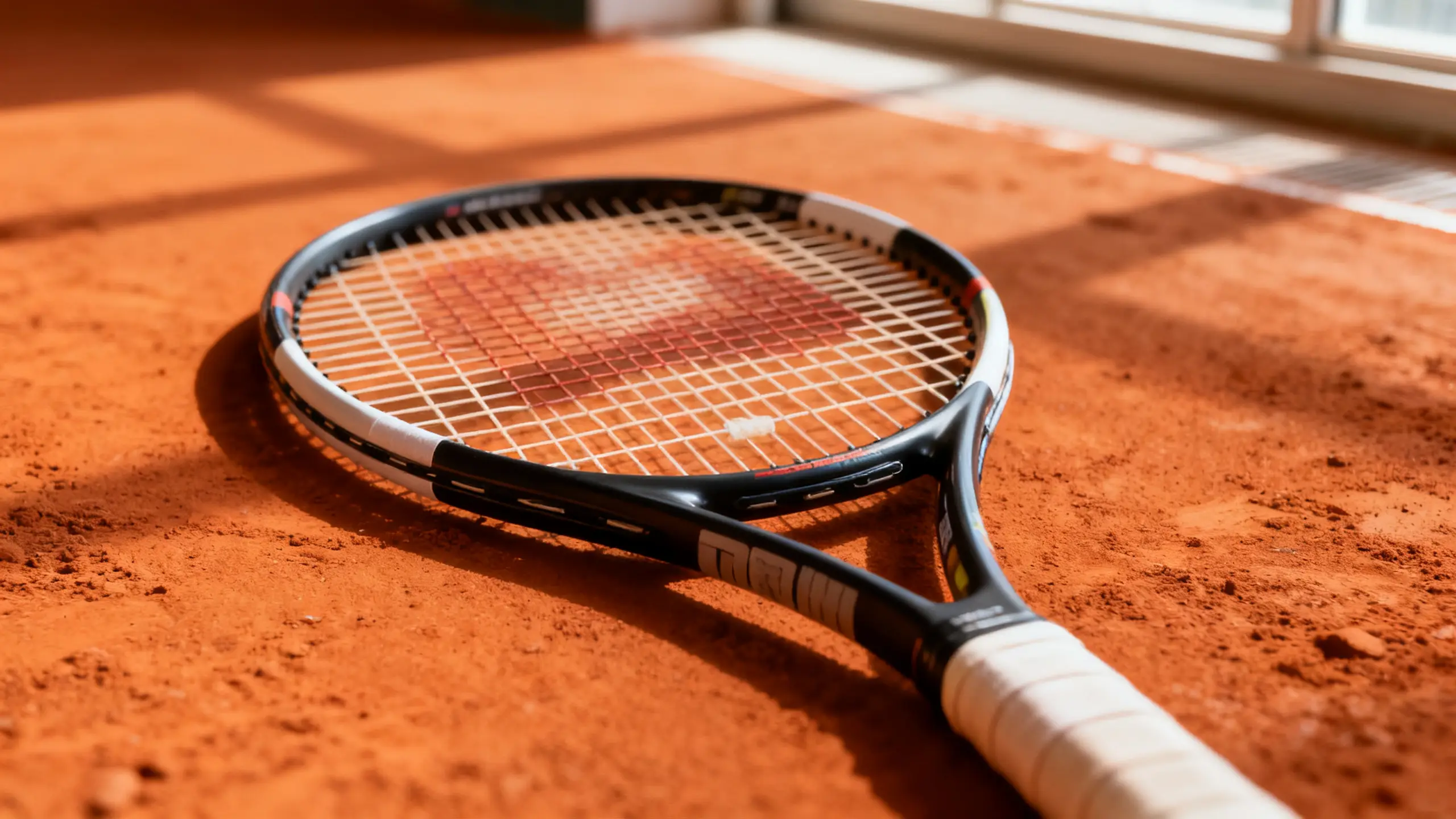
Wawrinka construiu todo o seu jogo em torno da raquete Wilson Pro Staff, uma das mais icónicas do desporto. A linha Pro Staff - historicamente com 85-97 polegadas quadradas de cabeça, relativamente pesada, com cordas finas e exigente - já era uma escolha de nicho em comparação com as raquetes maiores e mais perdoadoras que a maioria dos jogadores de clube escolhem. Wawrinka fez parecer viável, até emocionante, em grande parte porque o seu reverso de um braço foi o melhor anúncio que qualquer fabricante de raquetes poderia desejar.
Quando um jogador de grande perfil se reforma, duas coisas tendem a acontecer no mercado pré-usado. Primeiro, há um pico sentimento a curto prazo: adeptos que idolatravam o jogador procuram a raquete que usava, muitas vezes pela primeira vez. Segundo, nos meses seguintes, a oferta cresce silenciosamente, enquanto treinadores, parceiros de treino e profissionais de clubes que acumularam o mesmo modelo para trabalhar com o seu jogador movem gradualmente unidades. Nenhum efeito é dramático, mas ambos são reais e previsíveis.
A Pro Staff 97 e as suas variantes têm sido uma presença constante no mercado de ténis usado precisamente porque a raquete é genuinamente boa e porque Wawrinka a manteve visível no mais alto nível bem depois do ponto em que muitos jogadores tinham mudado para designs mais novos.
O que procurar se quer comprar#
Se a despedida de Wawrinka o despertou para a sua raquete, eis o que vale a pena saber antes de navegar:
| Detalhe do modelo | O que significa para si |
|---|---|
| Wilson Pro Staff 97 (315 g sem cordas) | Peso exigente; adequado para jogadores intermédios-avançados que já geram o seu próprio ritmo |
| Tamanho de cabeça 97 polegadas quadradas | Zona de potência mais pequena do que as raquetes modernas; recompensa o contacto limpo |
| Cordas finas (~21 mm) | Baixa potência, alto controlo - uma ferramenta orientada para o controlo, não para melhorar o jogo |
| Condição típica pré-usada para verificar | Anilhas, zona da garganta para fissuras microscópicas, tamanho da empunhadura (frequentemente 4 3/8 ou 4 1/2 em raquetes de tour) |
Se encontrar uma listada a um preço justo, verifique também o leito de cordas. As raquetes de especificação de tour muitas vezes chegam pré-usadas com cordas de poliéster já passadas da melhor altura - orçamente para uma re-encordoamento antes do seu primeiro uso.
O ângulo do vendedor: agora é um momento razoável para listar#
Se tem uma Pro Staff sentada numa mala que não toca há dois anos, a despedida de Wawrinka na imprensa é um vento genuíno, se modesto, para listá-la. As histórias de reforma trazem tráfego de pesquisa. Os jogadores que têm estado indecisos em experimentar a raquete leem um artigo assim, procuram e frequentemente compram dentro de uma semana dessa primeira pesquisa.
A janela não é longa - algumas semanas no máximo antes do ciclo de notícias avançar - mas é real. Liste a sua no EpicRackets enquanto o nome ainda está nas manchetes, coloque um preço honesto de acordo com a condição e inclua os detalhes das cordas. Um comprador que sabe o que está a obter é um comprador que não pede reembolso.
Para quem está do outro lado dessa transação, navegar pelo EpicRackets tennis listings agora vale dez minutos do seu tempo. Os momentos de reforma concentram oferta e atenção ao mesmo tempo - que é tão próximo de condições de compra ideais que o mercado pré-usado nunca consegue.