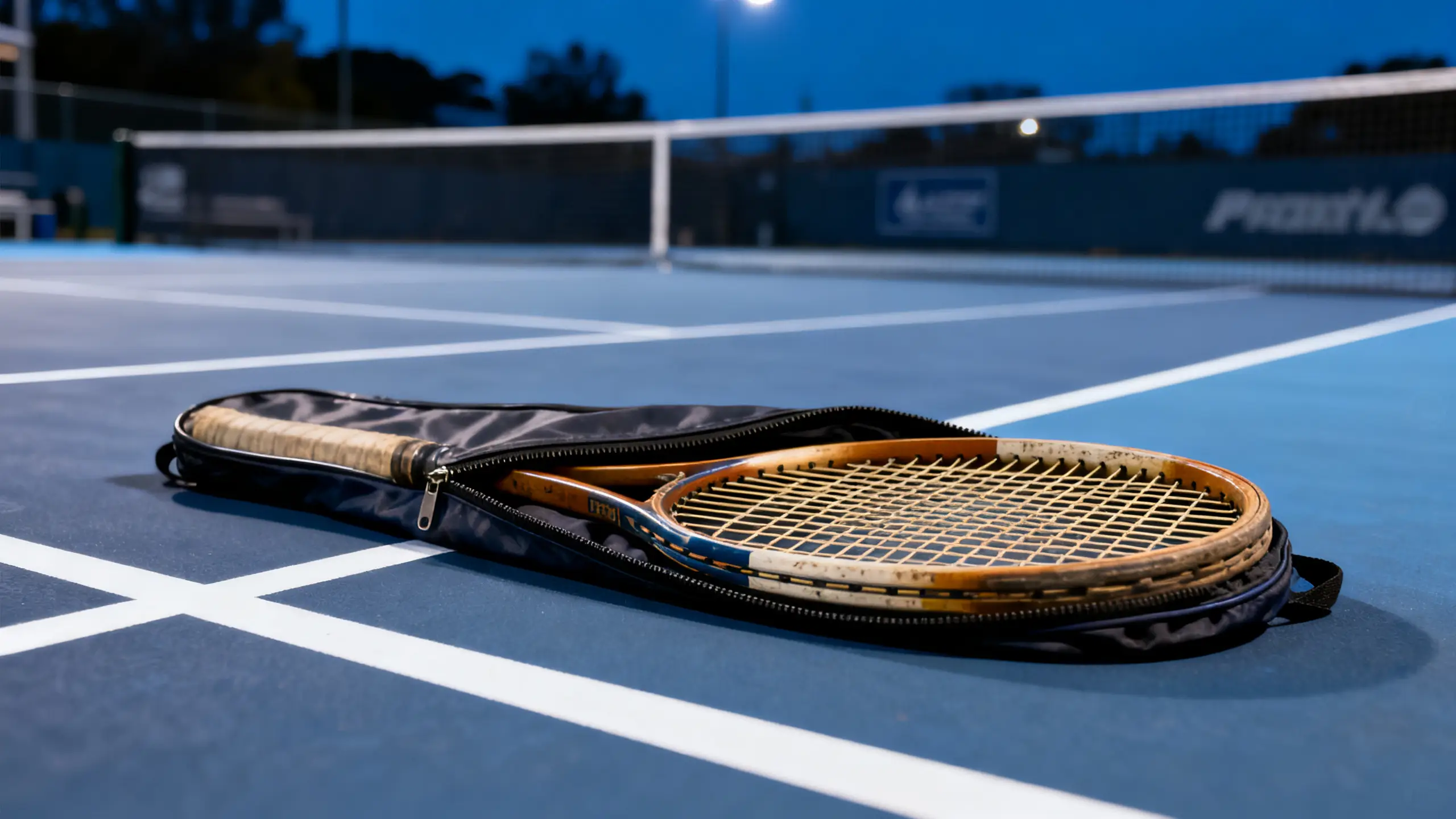
Se tem uma raquete de ténis encostada num canto do quarto - mal usada, ou simplesmente pequena demais - trocar é a forma mais rápida de a transformar em algo útil. Deixa-a lá, sai com dinheiro na mão ou com crédito para a próxima raquete. O problema é que nem todos os programas de troca são iguais, e escolher o errado pode custar-lhe £30 ou mais numa raquete de gama média. Este guia diz-lhe o que esperar de cada opção e por onde começar.
Dinheiro versus crédito na loja: a comparação honesta#
Quase toda a loja ou cadeia que tem um programa de troca vai-lhe oferecer mais valor como crédito na loja do que em dinheiro. Não é generosidade - é para manter o seu dinheiro dentro do seu ecossistema. Uma raquete que uma loja lhe poderia comprar por £25 em dinheiro pode valer £40 em crédito para uma compra nova. Alguns programas são explícitos sobre isto, oferecendo crédito na loja para cada item enquanto as ofertas em dinheiro são mais baixas ou reservadas para certas condições.
Crédito na loja faz sentido se tem a certeza que vai comprar nesse retalhista de qualquer forma. Se quer uma Wilson Blade nova ou uma Head Boom e a loja tem em stock, está essencialmente a obter um desconto. Mas se não tem a certeza do que quer depois, ou se planeia comprar noutro lado, crédito na loja é dinheiro perdido. Nesse caso, dinheiro - mesmo que em menor quantidade - ou vender num mercado de artigos em segunda mão é quase sempre a melhor opção.
Uma terceira opção que muitos perdem: lojas especializadas em artigos em segunda mão. Play It Again Sports nos EUA é um exemplo bem conhecido - pagam em dinheiro na hora por raquetes usadas e voltam a vendê-las. O Reino Unido não tem uma cadeia equivalente directa, mas algumas lojas de ténis locais funcionam de forma similar informal. Ligue antes de se deslocar a algum lado.
O que afecta o valor de troca da sua raquete#
Quem quer que esteja a comprar a sua raquete - uma loja, uma cadeia, ou um comprador num mercado - está a pensar nas mesmas coisas:
| Estado | O que significa | Retorno típico de troca (vs. PVP novo) |
|---|---|---|
| Como nova (por encordar ou pouco usada, sem danos cosméticos) | Vende-se rapidamente, baixo risco para o comprador | 35–50% do preço de rua actual |
| Bom (desgaste normal, cordas ainda jogáveis ou substituídas, sem fissuras) | Stock normal em segunda mão | 20–35% do preço de rua actual |
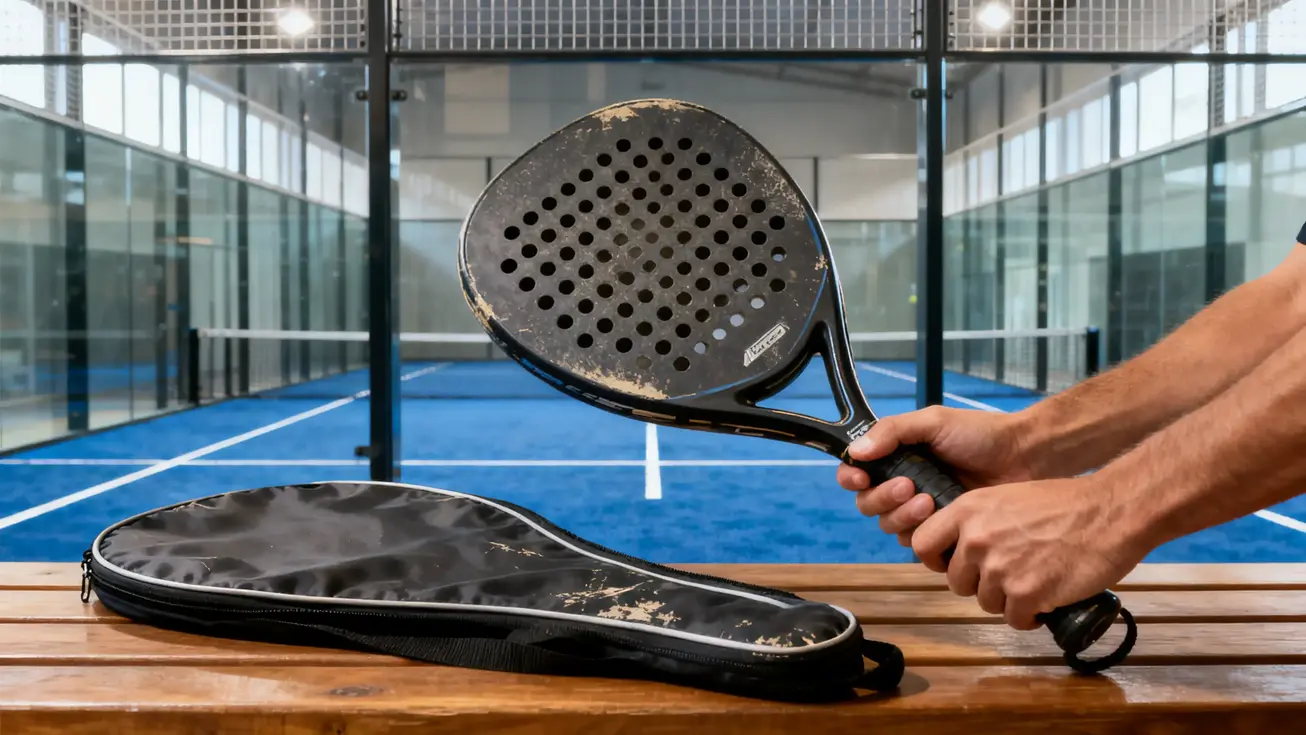
| Aceitável (lascas de tinta, grip gasto, cordas mortas) | Mais difícil de vender sem reencordoar | 10–20% do preço de rua actual |
| Mau (frame fissurado, ilhoses partidos, danos significativos) | A maioria das lojas recusa | Improvável ser aceite |
Além do estado, a marca e o modelo importam muito. Raquetes de geração actual de Wilson, Babolat, Head e Yonex mantêm melhor valor do que frames de marca desconhecida ou com grande desconto. Uma Wilson Clash ou Babolat Pure Drive dos últimos dois ou três anos vende-se facilmente. Uma frame de marca da casa de um supermercado não.
Uma coisa que os vendedores subestimam consistentemente é o estado das cordas. Uma raquete com cordas mortas ou partidas custa ao comprador £15–25 para reencordoar antes de voltar à prateleira. Isso é descontado da sua oferta. Se o seu frame está limpo, gastar £12 numa reencordoação fresca antes de trocar pode efectivamente melhorar o seu retorno.
Onde trocar uma raquete de ténis no Reino Unido e Europa#
As suas opções dividem-se em quatro categorias:
Lojas independentes de ténis – Muitas compram raquetes usadas informalmente, especialmente se está também a comprar algo. Não há um programa nacional, portanto isto é inteiramente à sua discrição. Ligue primeiro, traga a raquete em bom estado, e esteja pronto para negociar.
Retalhistas de desporto especializados – Lojas com um modelo de troca explícito (semelhante a Play It Again Sports) existem em cidades maiores do Reino Unido, muitas vezes com nomes como Cash Converters ou lojas locais de troca de artigos desportivos. Tendem a oferecer dinheiro, mas na parte inferior da gama de valor. Útil se a rapidez importa mais que o preço.
Eventos de troca online e programas de marcas – Alguns retalhistas maiores organizam eventos de troca periódicos, semelhantes ao modelo Tennis Express trade-in special nos EUA, onde traz artigos em troca de desconto em equipamento novo. Fique atento aos boletins dos retalhistas por isto - aparecem normalmente à volta da época de grandes torneios quando a procura de raquetes novas sobe.
Mercados de artigos em segunda mão – É aqui que obtém o melhor retorno, ponto final. Vender directamente a outro jogador elimina o intermediário. Você define o preço, fica com tudo, e um comprador que realmente quer o seu modelo específico muitas vezes pagará perto de 50–60% do PVP por um frame bem descrito e limpo.
Se quer saber o que a sua raquete vale genuinamente antes de aceitar qualquer oferta de troca, coloque-a no EpicRackets - pode verificar a procura actual e obter um sentido real do que os jogadores estão a pagar pelo seu modelo agora. Esse número é a sua base. Qualquer coisa que uma loja lhe ofereça abaixo disso é o custo da conveniência, e por vezes essa conveniência vale a pena pagar.
Antes de trocar: uma checklist rápida#
- Limpe o frame com um pano húmido - as primeiras impressões afectam as ofertas
- Verifique as cordas; substitua-as se a raquete está em bom estado de resto
- Conheça o nome do modelo e o ano - procure no site do fabricante se não tem a certeza
- Verifique o preço de rua actual de uma versão nova para ancorar as suas expectativas
- Obtenha pelo menos duas ofertas antes de aceitar qualquer coisa
- Decida se vai definitivamente gastar o dinheiro nesse retalhista antes de aceitar crédito na loja
Se depois de passar por essa lista decidir que uma troca não vale a pena, vender directamente no EpicRackets leva cerca de dez minutos para configurar e consegue consistentemente ao vendedor um melhor retorno do que qualquer programa de compra de loja. A rota de troca é genuinamente útil quando a rapidez ou a simplicidade importa - apenas vá sabendo os números.