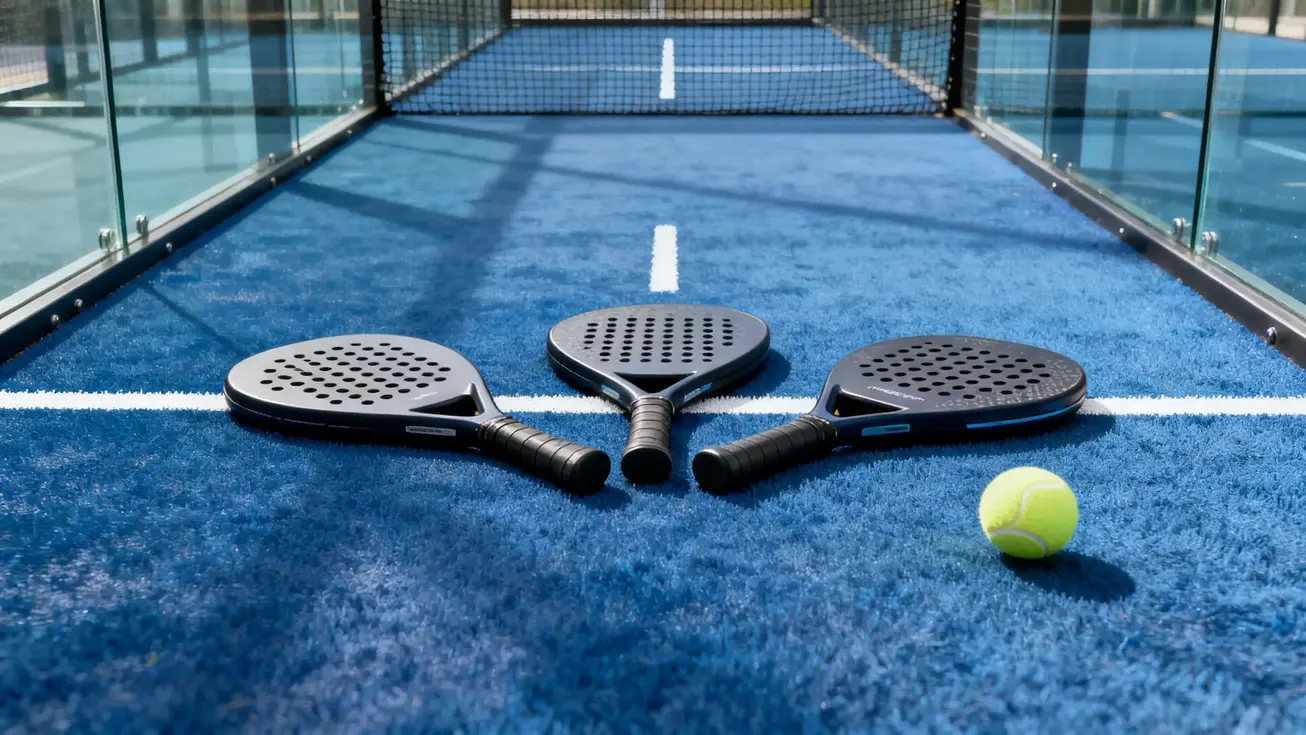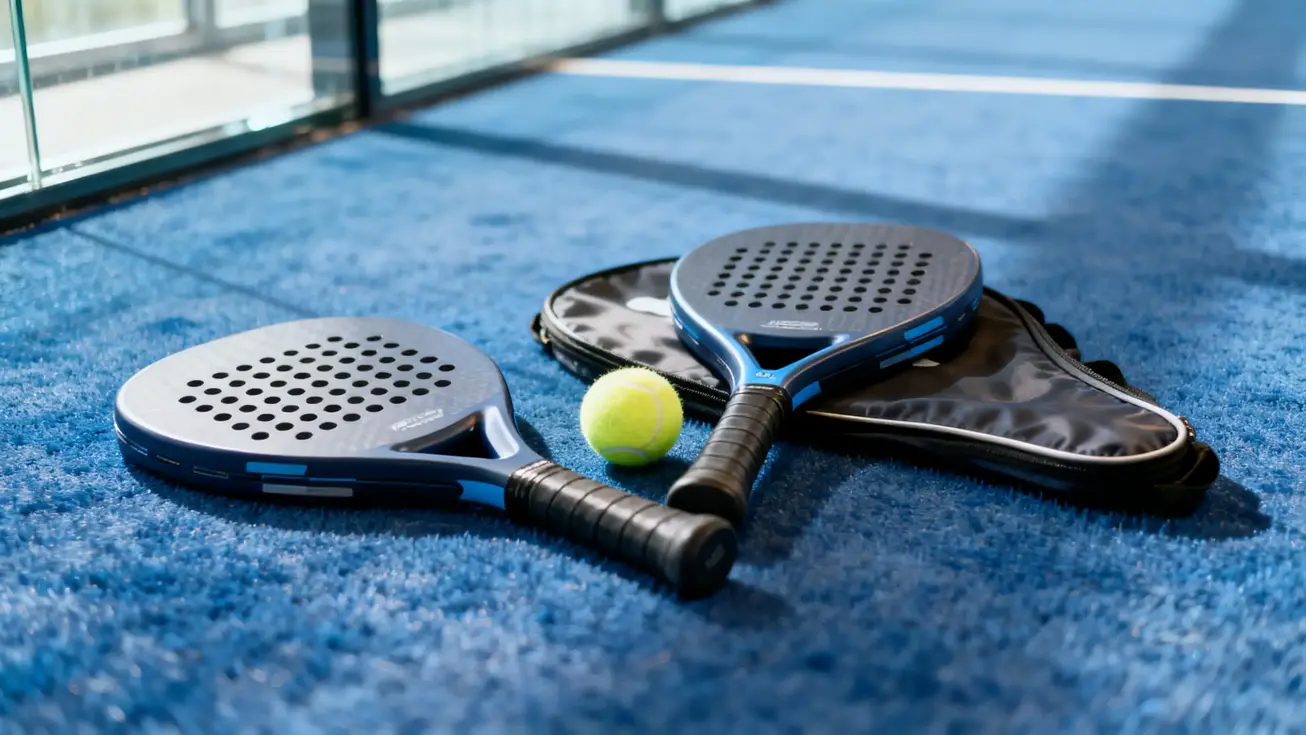
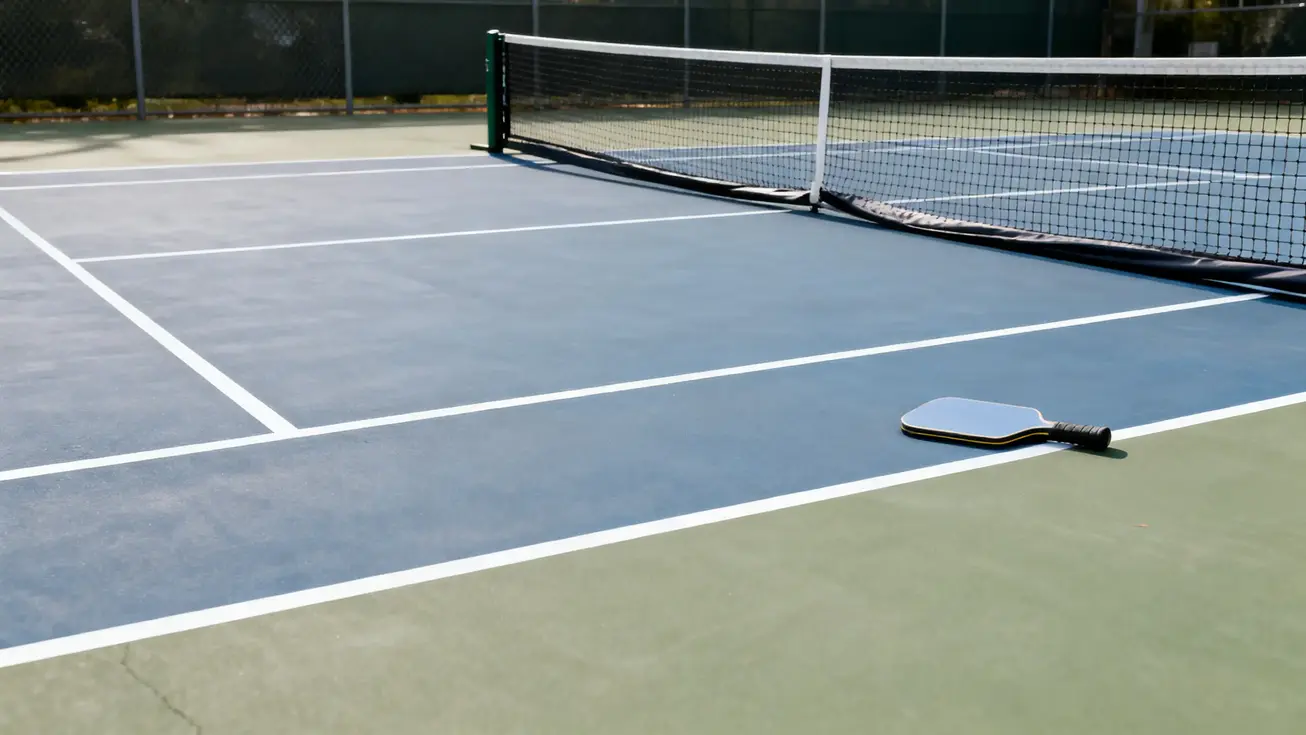
A cidade de Larkspur no Condado de Marin, Califórnia, resolveu uma longa disputa sobre os seus quatro courts de ténis no Piper Park: dois permanecerão exclusivamente para ténis, um será dedicado a padel, e o quarto torna-se um court flexível que pode ser dividido em quatro courts de padel usando redes portáteis. O acordo foi aprovado pelo conselho municipal a 1 de julho e entra em vigor este outono após ressurfacagem, após um mês de trabalho de um grupo de negociação com igual representação de jogadores de ténis e padel, convocado para resolver o que o San Francisco Chronicle chamou "uma disputa cada vez mais comum nos EUA".
Parece provincial. Não é.
A mesma luta está a acontecer em todo o lado, apenas com intensidades diferentes#
A história de Larkspur é um modelo quase perfeito de como os conflitos de acesso aos courts tendem a resolver-se - lentamente, através de negociação, sem que ninguém fique totalmente satisfeito. A jogadora de ténis Jennifer Malone disse que ela e os jogadores que representa não eram a favor de transformar nenhum court em exclusivamente de padel. O jogador de padel Richard Bynum descreveu o resultado como caindo "no meio termo". É tão bom quanto isto costuma ficar.
A tentativa de 2024 de gerir o partilhar informalmente já tinha colapsado, resultando no que a Chronicle descreveu como "confusão, sentimentos magoados e stress nos próprios courts". Regras escritas e designação física, mesmo que imperfeitas, funcionam melhor do que apenas boa vontade. Isto é importante para qualquer clube ou município que está actualmente a tentar resolver isto sem um enquadramento.
Para o padel, a direcção é clara: espaço público dedicado está a ser criado, court a court, em todo os Estados Unidos. Isto tem implicações para o número de participantes e, consequentemente, para o mercado de equipamento.
O que isto significa para quem compra e vende paletas de padel#
Mais courts públicos significa mais jogadores casuais tornando-se regulares. Esta conversão é o momento em que alguém que pediu emprestada uma paleta a um amigo começa a pensar em comprar a sua própria - e é aqui que um marketplace de pré-utilizado torna-se verdadeiramente útil.
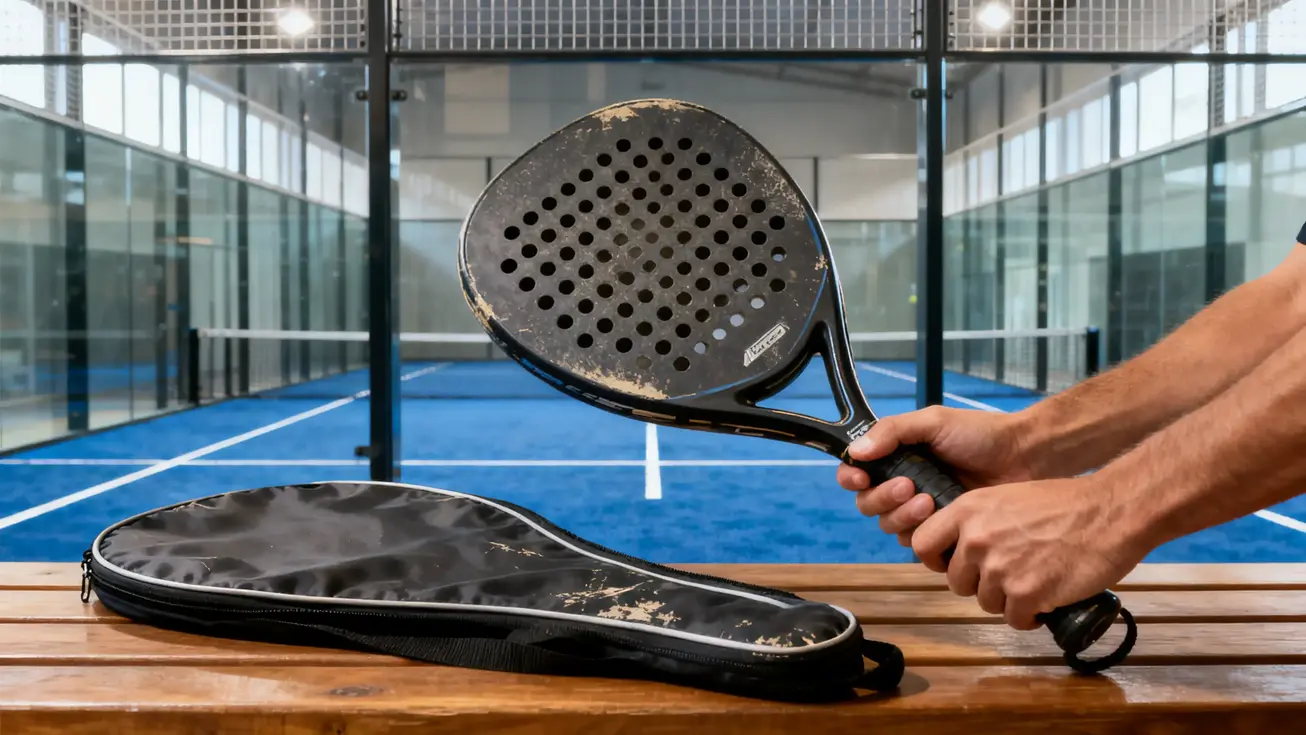
Os jogadores recreativos iniciantes raramente precisam de uma paleta top de gama nova. Uma paleta sólida de gama média que teve uma época de utilização é muitas vezes um ponto de partida muito melhor: a face de carbono ou fibra de vidro é comprovada, o núcleo de favo de mel de polímero ainda é lively, e o preço é uma fracção do valor de retalho. À medida que o acesso aos courts públicos se expande, essa procura de entrada também cresce.
| Tipo de jogador | O que geralmente precisam | Intervalo ideal pré-utilizado |
|---|---|---|
| Iniciante passando para paleta própria | Leve, tolerante, 7,5-8 oz | Paleta recreativa de orçamento, qualquer condição |
| Jogador regular de parque a subir de nível | Peso médio, alguma textura de spin | Paleta de gama média, bom estado |
| Jogador de nível de clube a melhorar | Preferência específica de peso/equilíbrio | Paleta de desempenho, ligeiramente utilizada |
O modelo de court flexível também vale a pena observar. Um court único conversível em quatro courts de padel significa quatro vezes mais jogadores a partilhar infraestrutura que era anteriormente ocupada por dois jogadores de ténis. Esse efeito multiplicador acelera a participação de uma forma que os courts dedicados únicos não conseguem.
Se joga padel ou está a pensar em começar#
O panorama de acesso aos courts na Europa Ocidental ainda está muito atrás dos EUA, mas a trajectória é a mesma. Courts públicos estão a ser adicionados, acordos de utilização partilhada estão a ser negociados, e a base de jogadores está a crescer. Se já está a jogar, agora é realmente um bom momento para vender uma paleta em que cresceu - a procura de novos jogadores que entram no desporto é real e crescente. Se está apenas a começar, explore o que está disponível pré-utilizado antes de gastar o preço completo em algo que poderá substituir dentro de seis meses de qualquer forma.
O compromisso de Larkspur é notícia de infraestrutura sem glamour. Mas infraestrutura sem glamour é exactamente o que um desporto precisa para crescer além da fase de early-adopter e tornar-se algo verdadeiramente convencional.