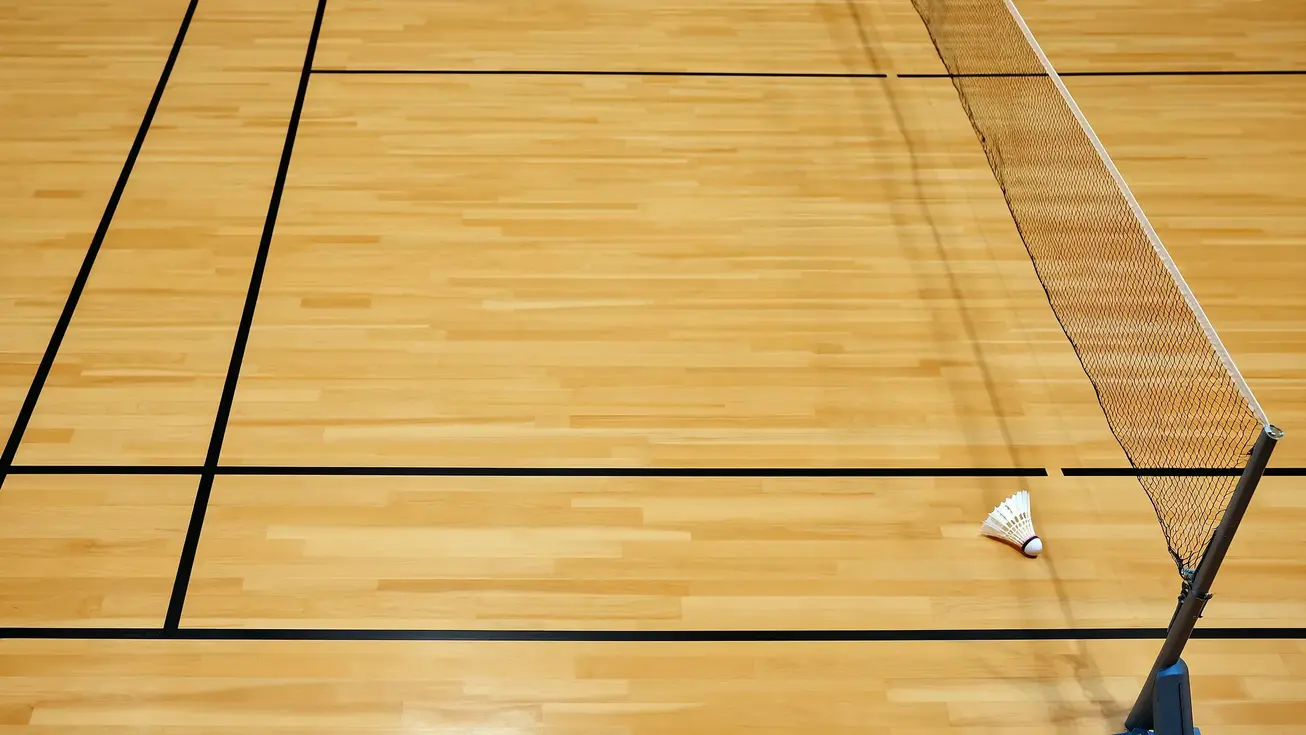
Enquanto Wimbledon arrecadava todas as manchetes de desportos de raqueta esta semana, o badminton continuou tranquilamente com seu trabalho. De acordo com o blog de desportos indianos do ESPN para 25 de junho de 2026, tanto Tanvi como Kidambi Srikanth avançaram nas suas respetivas eliminatórias no BWF US Open - um evento de nível Super 100 no calendário do BWF World Tour. É um torneio modesto pelos padrões do All England ou do Indonesia Open, mas é um palco internacional vivo, e os resultados ali alimentam diretamente pontos na classificação mundial.
Isso importa mais do que o resultado final sugere.
Porque é que os resultados do BWF Super 100 ainda mexem com o mercado#
O BWF World Tour está estruturado em escalões: Super 1000, Super 750, Super 500, Super 300, e na base, Super 100. Eventos Super 100 como o US Open são onde jogadores de categoria média ganham pontos na classificação, e são também onde jogadores mais jovens em estreia no circuito testam novos equipamentos antes de se comprometerem com eles nas provas maiores. Quando um jogador vence ou chega longe neste nível, coincide frequentemente com uma mudança de material que surge em entrevistas ou posts nas redes sociais algumas semanas depois - uma nova variante Yonex Astrox, uma raqueta Victor, uma Li-Ning que estão a testar. O impacto na oferta de segunda mão é real: as raquetas antigas são colocadas discretamente à venda, e jogadores curiosos de clube que viram o evento querem a raqueta que acabaram de ver em court.
Srikanth em particular tem uma longa associação com equipamento Yonex, e qualquer visibilidade renovada para ele ao nível internacional tende a aumentar o interesse de pesquisa em raquetas de badminton Yonex. Se está à procura de uma, as listagens de badminton em segunda mão na EpicRackets valem a pena explorar agora - a oferta tende a ser melhor nas semanas após um torneio quando jogadores renovam o seu equipamento.
O problema de visibilidade do badminton - e a oportunidade que cria#
O badminton é o segundo desporto de raqueta mais praticado no mundo por participação, mas fica bem atrás do ténis e do padel em atividade de marketplaces de segunda mão em Portugal e Espanha. Parte disso é infraestrutura - há menos halls de badminton dedicados per capita na Ibéria do que no norte da Europa ou na Ásia - mas parte é simplesmente que o desporto recebe quase nenhuma cobertura mediática fora das Olimpíadas e de alguns eventos de badminton marquês do BWF. O BWF US Open mal registou no imprensa desportiva europeia.
Essa lacuna entre participação e visibilidade é exatamente onde um marketplace de segunda mão pode adicionar valor. Jogadores que já estão a jogar em clubes em Lisboa, Porto, Madrid ou Barcelona não precisam de cobertura do tamanho de Wimbledon para procurar uma segunda raqueta ou uma atualização. Precisam de um lugar para encontrar uma.
O que procurar se está a comprar equipamento de badminton em segunda mão#
| Fator | O que verificar |
|---|---|
| Condição da raqueta | Sem fissuras ao redor dos furos de ilhó ou no desenho; verifique o tubo para micro-fraturas |
| Tensão das cordas | A maioria das raquetas de segunda mão precisará de reencordoamento; reserve 10-15€ para um jogo de cordas de nylon ou peso leve |
| Tamanho do empunho | Os empunhos de badminton são finos por design - fáceis de aumentar com um overgrip se necessário |
| Marca | Yonex, Victor e Li-Ning dominam o circuito; outras marcas podem ser boas para jogar em clube mas têm menos valor de revenda |
| Classe de peso | As raquetas variam de 2U (90-94g) até 5U (75-79g); mais leve é mais rápido mas menos perdoador |
O calendário do BWF funciona quase o ano todo, com o próximo grupo de eventos Super 500 e Super 750 chegando em julho e agosto. Cada um tende a gerar uma pequena mas mensurável onda de rotação de equipamento enquanto jogadores reavaliam a sua configuração. Se o badminton é o seu desporto - ou tem tido curiosidade em começar - consultar o que está disponível em segunda mão antes dessa onda é o movimento mais inteligente do que esperar pela correria pós-torneio.