A physio once told me that half the tennis elbow cases she sees are not about technique. They are about grip size. Too small, and your hand over-grips the handle to compensate. Do that for an hour, three times a week, and something eventually complains.
If you are shopping for a pre-owned racket or thinking about listing one, grip size is the detail most buyers get wrong and most sellers forget to mention. Get it right and a frame that fits your hand will work with you rather than against you. Get it wrong and even the best racket on the court will work against you.
How grip sizing actually works#
Tennis rackets use two parallel sizing systems depending on where you are in the world. In Europe, grips run from L0 to L5. In the US, the same sizes are expressed in inches, from 4 inches to 4 5/8 inches, in 1/8-inch increments. The table below maps them directly.
| European size | US size | Circumference |
|---|---|---|
| L0 | 4" | 100 mm |
| L1 | 4 1/8" | 104 mm |
| L2 | 4 1/4" | 108 mm |
| L3 | 4 3/8" | 111 mm |
| L4 | 4 1/2" | 114 mm |
| L5 | 4 5/8" | 118 mm |
Most adult men land between L2 and L4. Most adult women between L1 and L3. Those are tendencies, not rules. I am a fairly average-sized man and I play L2, which sits at the smaller end for my demographic. The only number that matters is yours.
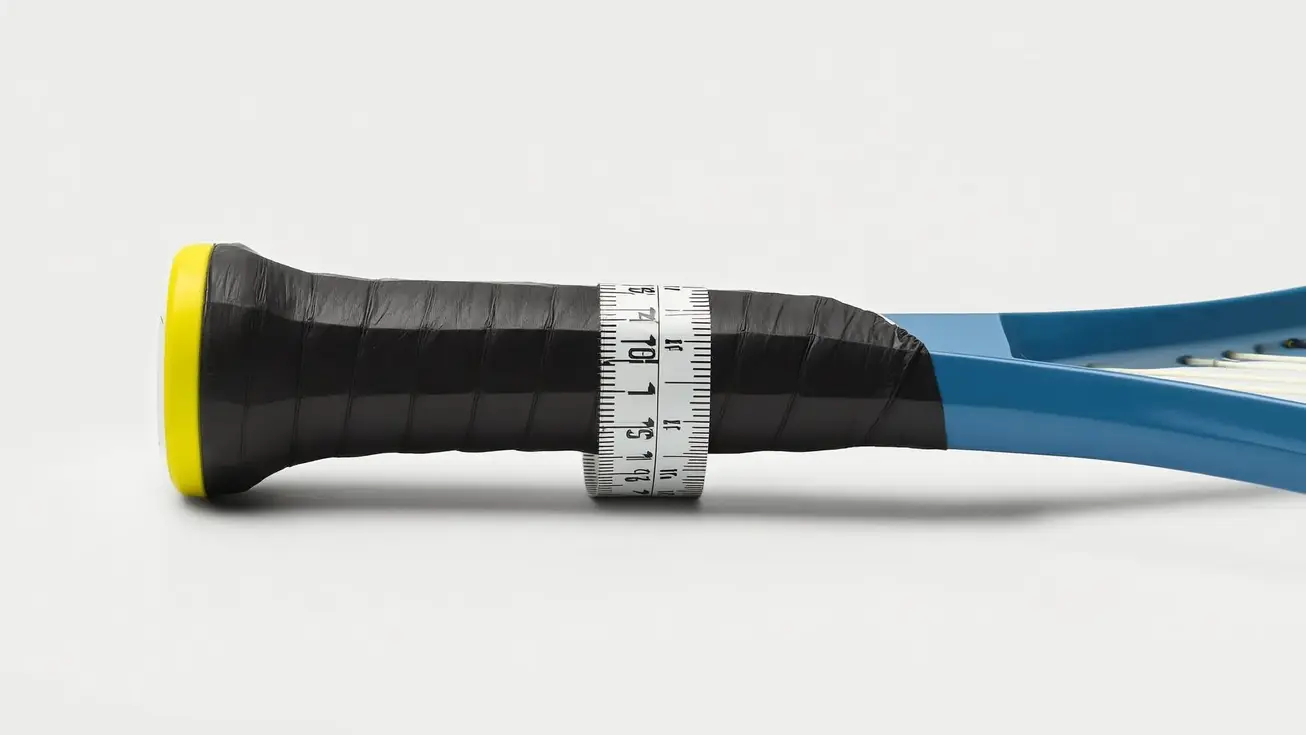
One thing worth knowing when buying pre-owned: the grip size is usually printed on the butt cap of the racket, often as a single digit (2 for L2, 3 for L3, and so on) or as the full US measurement. If it has worn off, measure the circumference of the handle with a soft tape measure.
The index-finger test and how to measure yourself#
There are two reliable methods. The index-finger test is the quicker one. Hold the racket in your dominant hand with a standard forehand grip. Slide the index finger of your other hand into the gap between your fingertips and the base of your thumb. One finger should fit snugly. If there is no gap, the grip is too small. If you can fit two fingers, it is too large.
For a more precise measurement, hold your dominant hand open, fingers together, palm facing you. Use a ruler to measure from the middle crease of your palm (the line that runs horizontally across the middle) to the tip of your ring finger. That measurement in millimetres corresponds directly to the grip circumference in the table above. So if that distance is 108 mm, you are an L2.
If you are between sizes, go smaller. You can always build up with an overgrip. You cannot shrink a grip that is already too large.
What overgrips actually do (and what they cannot)#
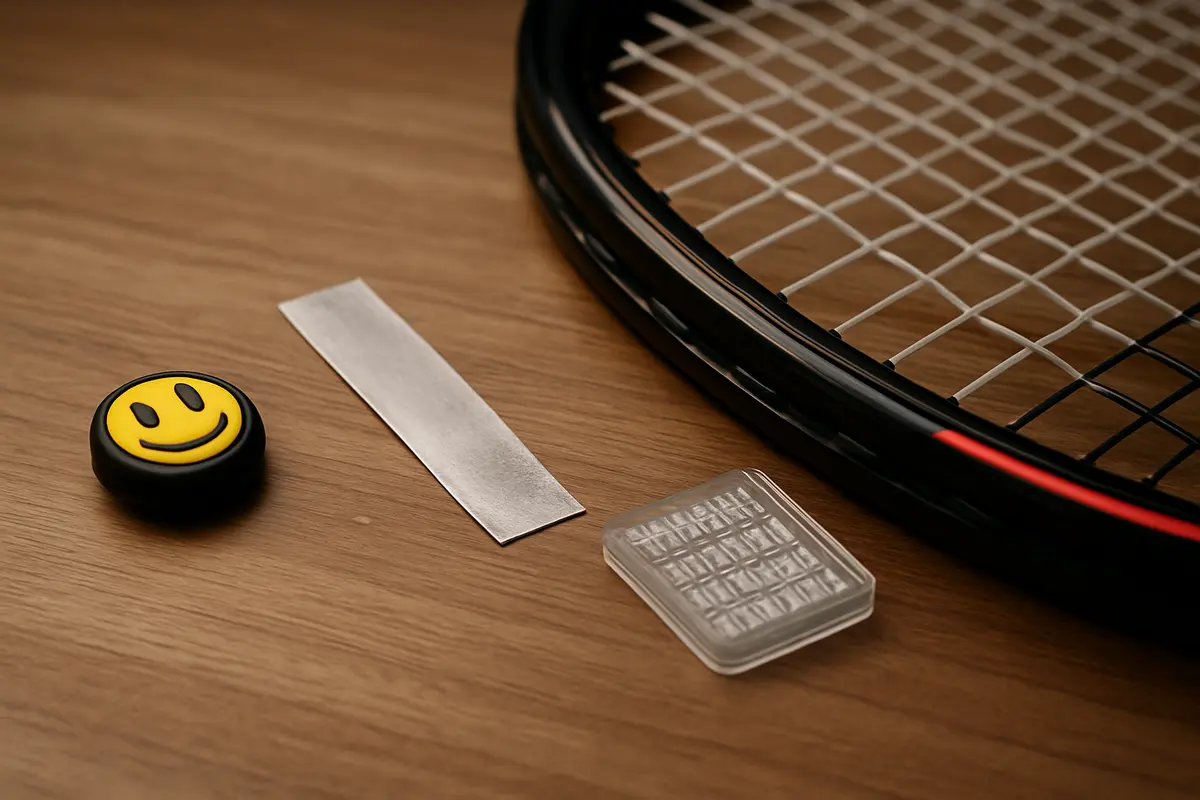
An overgrip is a thin wrap, typically 0.5 mm to 0.6 mm thick, applied over the base grip. One layer adds roughly half a size. Two layers take you close to a full size up. That is genuinely useful if you buy a pre-owned racket that is a half-size small, or if your grip has worn down and feels slippery.
What overgrips cannot do is compensate for a handle that is structurally too small. If your L1 racket is causing forearm strain, wrapping three overgrips around it is not the answer. At that point the handle shape becomes uneven and the feel suffers. The right move is to either find the correct size or, for a racket you love, have a replacement grip fitted by a stringer or pro shop.
There are two main types of overgrip worth knowing. Tacky overgrips (Tournagrip is the classic, Wilson Pro Overgrip is another) give you grip in dry conditions and are what most club players use. Absorbent overgrips prioritise moisture-wicking for sweaty hands or humid conditions. I keep both in my bag depending on the weather, which is the kind of thing I said I would never do until I played a summer clay session and my racket flew into the net on a forehand.
Overgrips are also the consumable most players replace too rarely. Once the tackiness is gone and the surface feels smooth, it is doing nothing useful. For regular players, that means replacing every two to four sessions.
Buying and selling pre-owned: grip size is not optional information#
When I look at listings for tennis rackets on the marketplace, the ones that sell quickly include grip size in the title or the first line of the description. The ones that sit are vague. Buyers have learned to be cautious because getting it wrong means either returning the frame or paying to have it regripped.
If you are listing a racket, state the grip size explicitly (both European and US if you can), note whether the original base grip is intact or has been replaced, and mention how many overgrips are currently on it. That last point matters because a racket listed as L2 with two overgrips on it is effectively playing as an L3. A buyer who does not know that will be confused when it arrives.
If you are buying, ask if you are not sure. A seller who has played with the racket will know. If the listing is from someone clearing out old gear, the grip size is usually on the butt cap regardless.
For a broader look at what to check before buying pre-owned, the post on how to spot a fake tennis racket covers the physical inspection points in detail, and grip markings are one of the things counterfeit frames often get wrong.
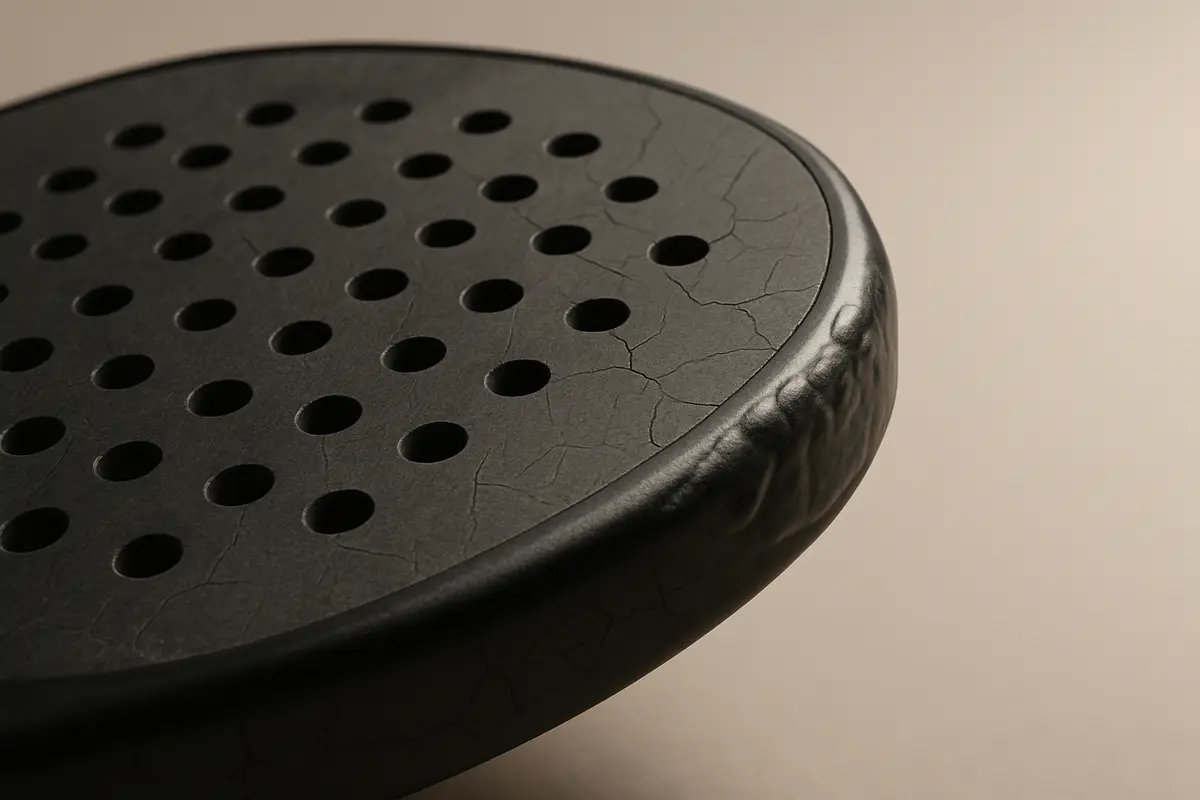
One final note for padel players: padel rackets do not have adjustable grip sizes in the same way. The handle is part of the frame structure and the perforated hitting surface means the whole geometry is fixed. You can wrap overgrips for comfort and sweat absorption, but you are not changing a size parameter in the same sense. If you are new to padel and wondering what to look for in a first frame, the first padel racket guide covers the relevant specs.
Getting your grip right is one of those small decisions that compounds over time. The right size, a fresh overgrip, and a frame that fits your hand means you are thinking about your game, not your forearm.