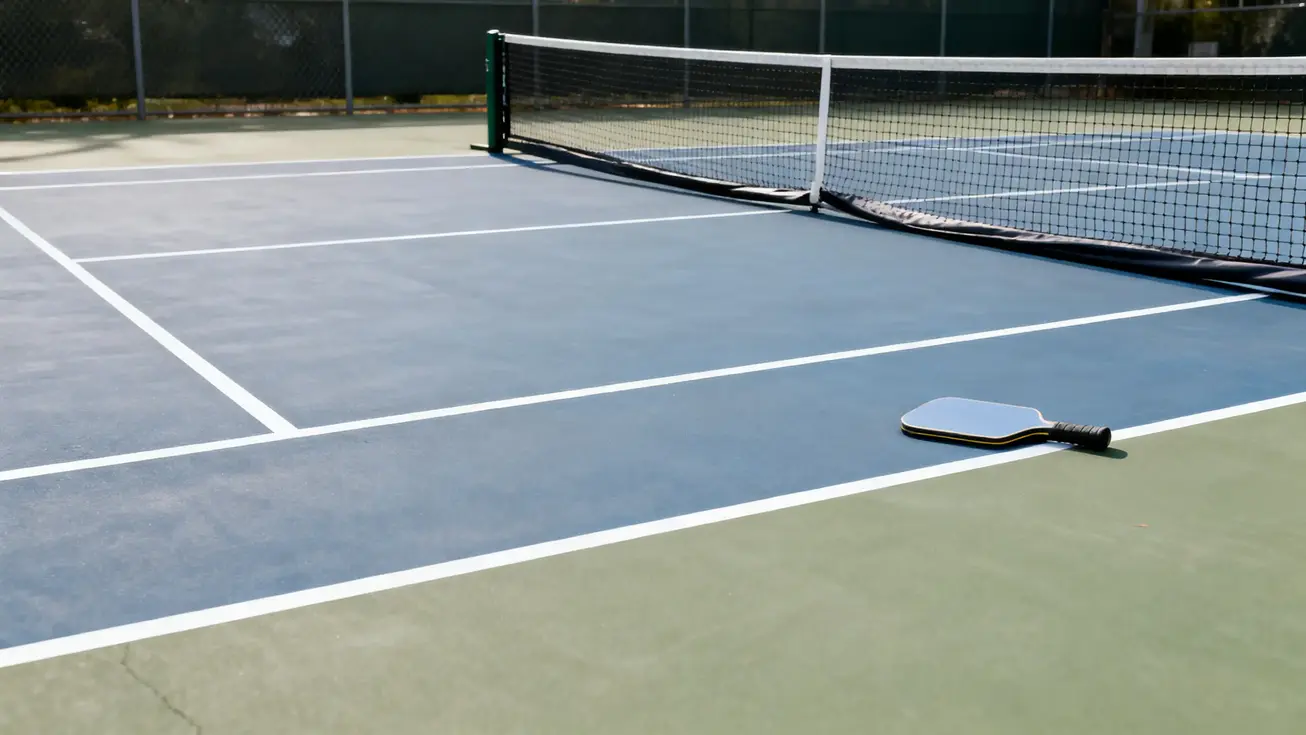
La ciudad de Larkspur en el Condado de Marin, California, ha resuelto una larga disputa sobre sus cuatro pistas de tenis en el Piper Park: dos seguirán siendo exclusivas de tenis, una se dedicará al pádel, y la cuarta se convierte en una pista flexible que puede dividirse en cuatro pistas de pádel usando redes portátiles. El acuerdo fue aprobado por el consejo municipal el 1 de julio y entra en vigor este otoño después de la resurfacción, tras un mes de trabajo de un grupo negociador con representación equitativa de jugadores de tenis y pádel, convocado para resolver lo que el San Francisco Chronicle llamó "una disputa cada vez más común en los EE.UU.".
Suena parroquial. No lo es.
El mismo conflicto está sucediendo en todas partes, solo con diferentes intensidades#
La historia de Larkspur es una plantilla casi perfecta de cómo tienden a resolverse los conflictos de acceso a pistas: lentamente, mediante negociación, sin que nadie quede completamente satisfecho. La jugadora de tenis Jennifer Malone dijo que ella y los jugadores que representa no estaban a favor de convertir ninguna pista exclusivamente en pádel. El jugador de pádel Richard Bynum describió el resultado como "en el medio". Así es aproximadamente como funcionan estas cosas.
El intento de 2024 de gestionar el uso compartido de forma informal ya había fracasado, resultando en lo que la Chronicle describió como "confusión, sentimientos heridos y estrés en las propias pistas". Las reglas escritas y la designación física, incluso las imperfectas, funcionan mejor que solo la buena fe. Esto vale la pena señalar para cualquier club o municipio que actualmente intenta resolver esto sin un marco.
Para el pádel, la dirección es clara: se está creando espacio público dedicado, pista a pista, en todo Estados Unidos. Esto tiene implicaciones para los números de participación y, a su vez, para el mercado de equipos.
Qué significa esto para quienes compran y venden paletas de pádel#
Más pistas públicas significa más jugadores casuales convirtiéndose en regulares. Esa conversión es el momento en que alguien que pidió prestada una paleta a un amigo comienza a pensar en comprar la suya propia, y es donde un mercado de segunda mano se vuelve verdaderamente útil.
Los nuevos jugadores recreativos rara vez necesitan una paleta de gama alta completamente nueva. Una paleta sólida de rango medio que ha tenido una temporada de uso suele ser un punto de entrada mucho mejor: la cara de carbono o fibra de vidrio está comprobada, el núcleo de panal de polímero sigue siendo elástico, y el precio es una fracción del minorista. A medida que se expande el acceso a pistas públicas, esa demanda de entrada también crece.
| Tipo de jugador | Lo que generalmente necesitan | Punto óptimo de segunda mano |
|---|---|---|
| Principiante pasando a su propia paleta | Ligera, tolerante, 7,5-8 oz | Paleta recreativa presupuestaria, cualquier condición |
| Jugador regular de parque mejorando | Peso medio, algo de textura de giro | Paleta de rango medio, buen estado |
| Jugador de nivel de club mejorando equipo | Preferencia específica de peso/balance | Paleta de rendimiento, ligeramente usada |
El modelo de pista flexible también vale la pena observar. Una pista única convertible en cuatro pistas de pádel significa cuatro veces más jugadores compartiendo infraestructura que previamente ocupaban dos jugadores de tenis. Ese efecto multiplicador acelera la participación de una manera que las pistas dedicadas simples no pueden.
Si juegas pádel o estás pensando en empezar#
El panorama de acceso a pistas en Europa Occidental sigue muy rezagado con respecto a EE.UU., pero la trayectoria es la misma. Se están añadiendo pistas públicas, se están negociando acuerdos de uso compartido, y la base de jugadores está creciendo. Si ya estás jugando, ahora es realmente un buen momento para vender una paleta en la que has crecido: la demanda de nuevos jugadores que entran al deporte es real y creciente. Si acaba de empezar, explora lo que está disponible de segunda mano antes de gastar el precio completo en algo que podrías reemplazar en seis meses de todas formas.
El compromiso de Larkspur es noticias de infraestructura poco glamurosa. Pero la infraestructura poco glamurosa es exactamente lo que un deporte necesita para crecer más allá de la fase de primeros adoptantes y convertirse en algo verdaderamente convencional.