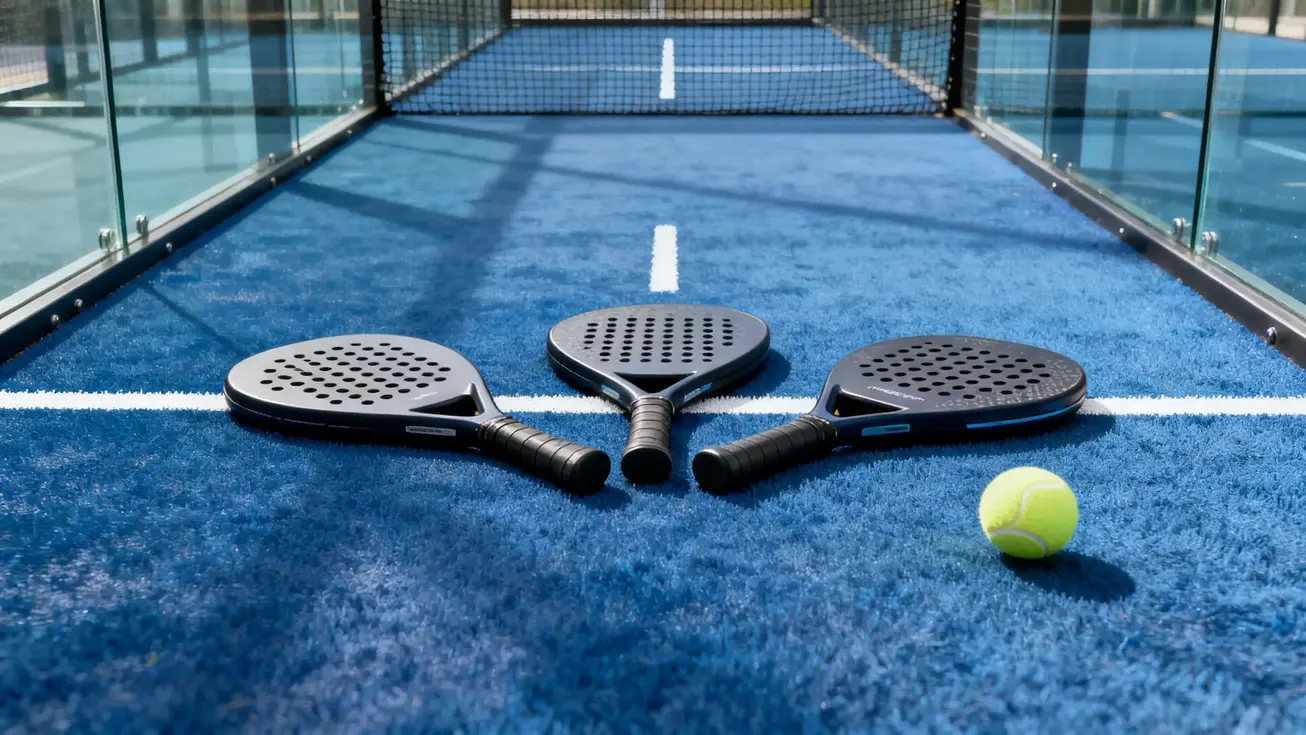
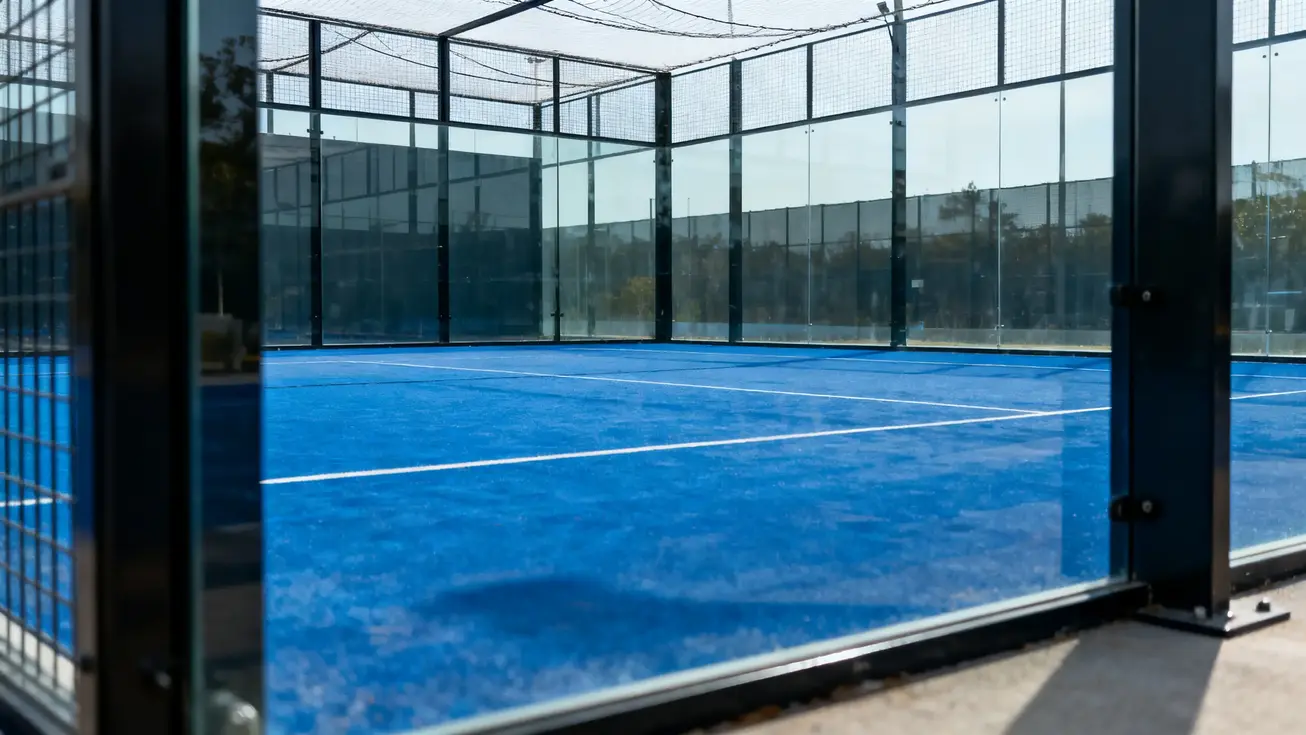
El Victory Ground Tennis Club en Bury St Edmunds, Suffolk, ha sido advertido de que podría verse obligado a abandonar su sede después de que un operador de padel expresara interés en hacerse cargo de sus dos pistas en el complejo deportivo Victory Sports Ground. El club, que tiene 80 años de antigüedad y alrededor de 170 miembros, actualmente paga 4.000 libras anuales de alquiler, pero según el secretario de membresía Steve Daniel, la cifra que se está discutiendo con la empresa de padel representa un aumento de aproximadamente el 500%, algo que el club simplemente no puede permitirse. La administración de la instalación, Victory Sports Ground CIC, confirmó a la BBC que había habido conversaciones con otros operadores potenciales, aunque no se ha tomado una decisión final.
Esta historia resultará muy familiar para cualquiera que haya estado observando lo que ha sucedido con el espacio de pistas en toda Europa durante los últimos tres años. La economía del padel es simplemente diferente. Una pista de padel genera más ingresos por hora que una pista de tenis en la mayoría de los entornos de club, los operadores están dispuestos a pagar alquileres premium, y las autoridades de planificación en muchos países son relativamente favorables a estas estructuras de cristal cerradas. El resultado es que los clubes de tenis que ocupan buenas ubicaciones urbanas o periurbanas están comenzando a enfrentar presión comercial real, no de ayuntamientos o promotores inmobiliarios, sino de otro deporte de raqueta.
Por qué los operadores de padel pueden pujar más que los clubes de tenis#
La investigación propia de la LTA, citada en el informe de la BBC, descubrió que 860.000 adultos y menores en el Reino Unido ahora practican padel, más del doble de la cifra del año anterior. Este tipo de tasa de crecimiento atrae inversión seria, e los inversores necesitan pistas. A diferencia del tenis, las sesiones de padel casi siempre se venden como franjas horarias en grupos estructurados de cuatro personas, lo que significa ingresos predecibles y de alto volumen. Un sitio que genera un retorno de alquiler modesto para un club de tenis comunitario puede convertirse en una operación comercial genuinamente rentable para un operador de padel. Las matemáticas son brutales, pero no son complicadas.
Para los 170 miembros del Victory Ground, nada de esto es abstracto. Han construido algo real - la membresía creció significativamente después de la pandemia - y ahora se enfrentan a perderlo por fuerzas del mercado en lugar de haber hecho algo mal.
Qué significa esto para el mercado de padel de segunda mano#
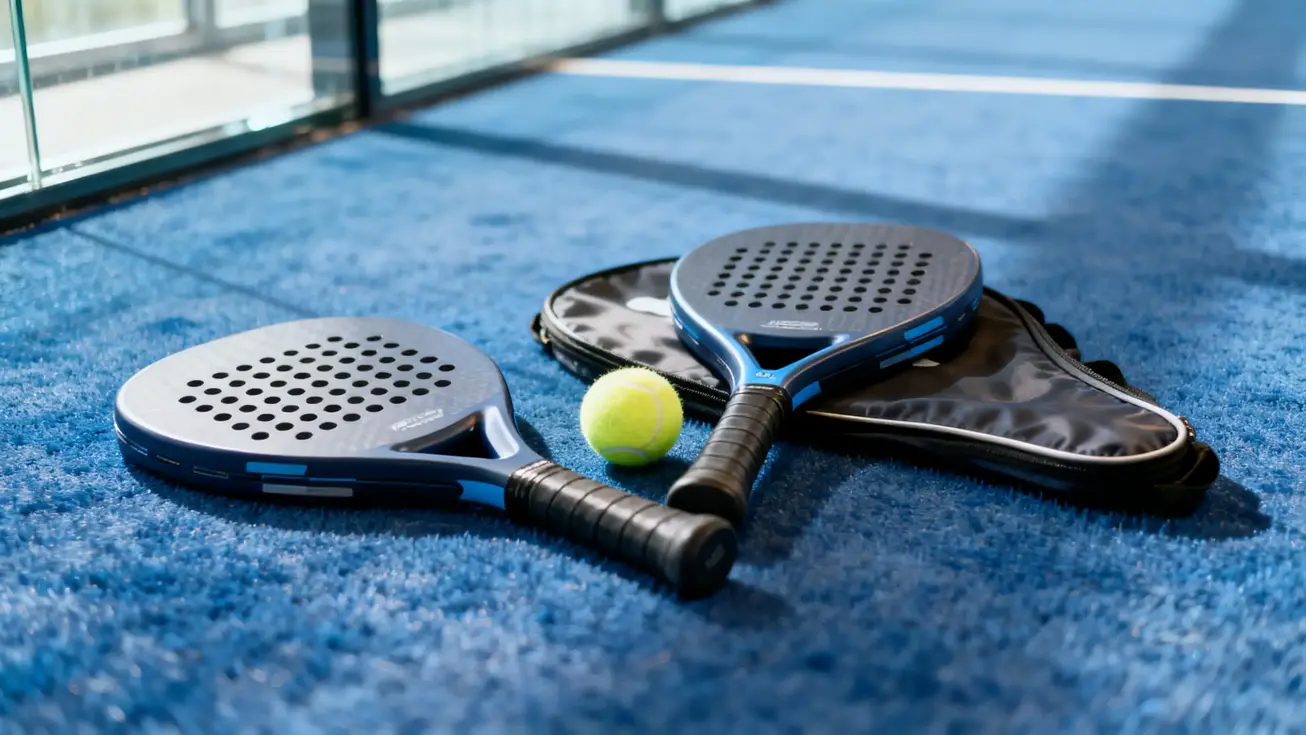
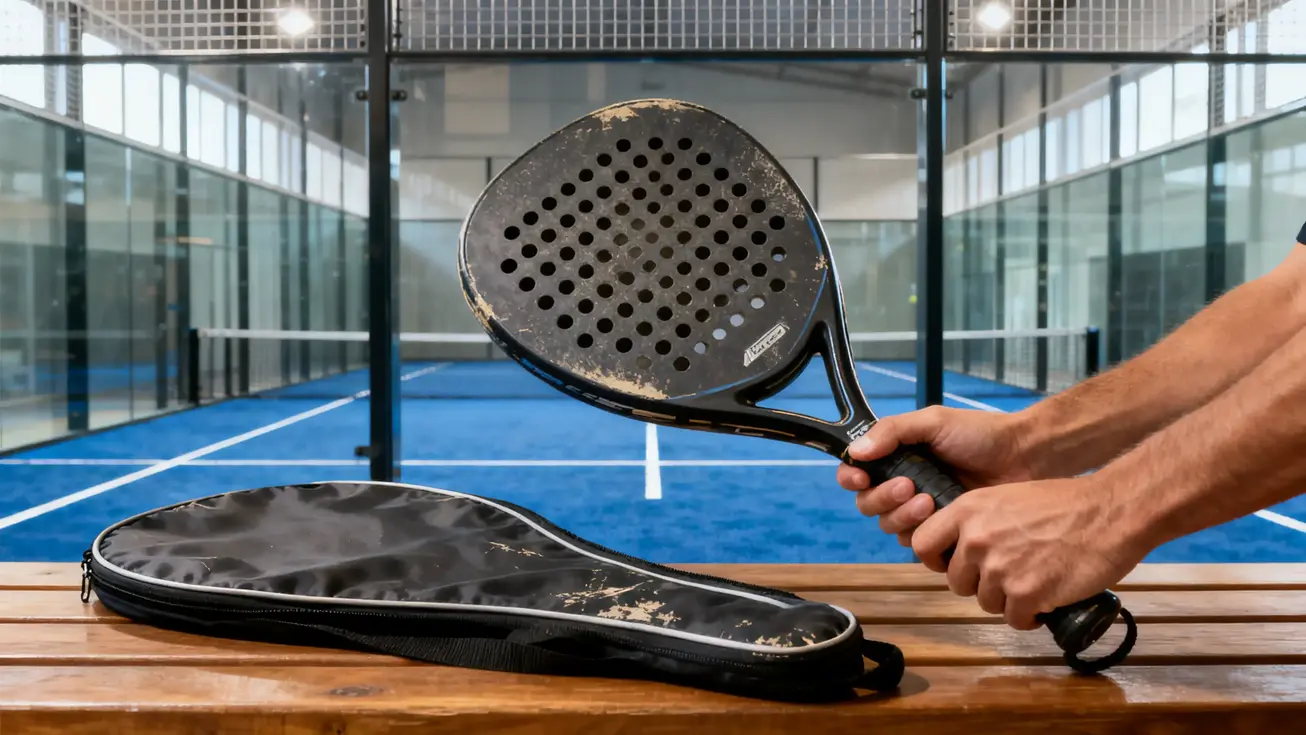
Cada nueva pista de padel que abre, ya sea desplazando tenis u ocupando espacio nuevo, significa una nueva cohorte de jugadores que necesitan raquetas. Las raquetas de padel tienen un núcleo de espuma sólida o EVA con cara de fibra de carbono o fibra de vidrio; no tienen cuerdas. Los jugadores suelen comenzar con una forma versátil de gama media, y luego mejoran entre 12 y 18 meses después de entender su propio estilo de juego. La primera raqueta casi siempre termina en el mercado de segunda mano, que es exactamente donde EpicRackets entra.
Si estás en ese ciclo ahora, ya sea eligiendo tu primera raqueta o pasando de una que ya no se ajusta a tu juego, la selección de segunda mano es genuinamente el lugar inteligente para comenzar.
| Etapa del jugador | Qué buscar | Por qué la segunda mano tiene sentido |
|---|---|---|
| Principiante absoluto | Forma redonda o de gota, núcleo de espuma medio-blando | Menor riesgo financiero mientras descubres tu juego |
| Jugador habitual de club (6-12 meses) | Forma de gota o diamante, núcleo más firme | Mejorar sin pagar precios de stock nuevo |
| Jugador competitivo | Forma de diamante, cara de carbono completo | Modelos profesionales de temporadas anteriores a una fracción del PVP |
La situación en Suffolk es poco probable que sea la última de su clase. A medida que los operadores de padel se expanden por el Reino Unido, Portugal y España, la competencia por el espacio de pistas se intensificará. Para los jugadores, la ventaja es más pistas y un mercado de equipamiento de segunda mano más grande. Para clubes de tenis establecidos en el código postal equivocado, el panorama es considerablemente menos cómodo. Vale la pena seguir de cerca cómo el Victory Sports Ground CIC toma su decisión y si la LTA interviene para ayudar.
Lee el informe original de la BBC para la historia completa de Steve Daniel y el club.