What the beam width of a tennis racket actually tells you before you buy
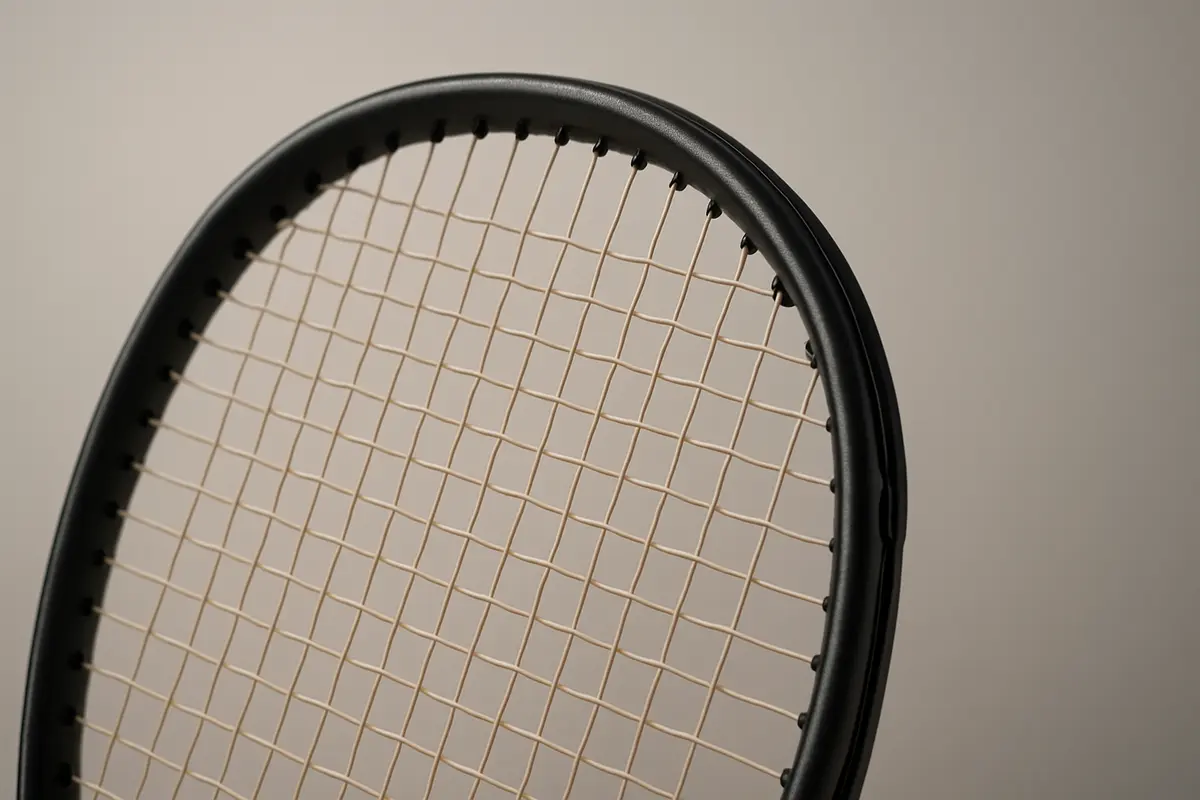
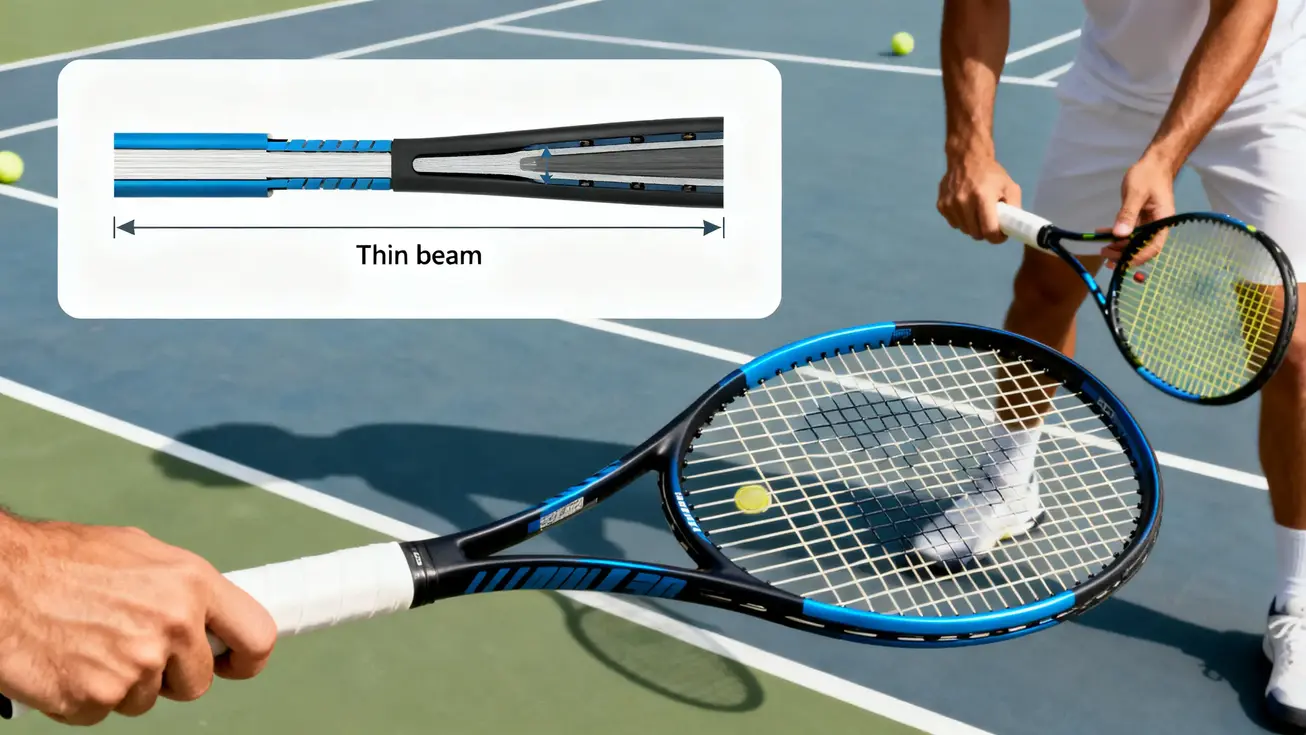
Beam width is one of the most useful numbers on a racket spec sheet, and most players ignore it. Here is what thin versus wide actually means for power, control, and feel.
Conocimiento de jugadores que realmente juegan.

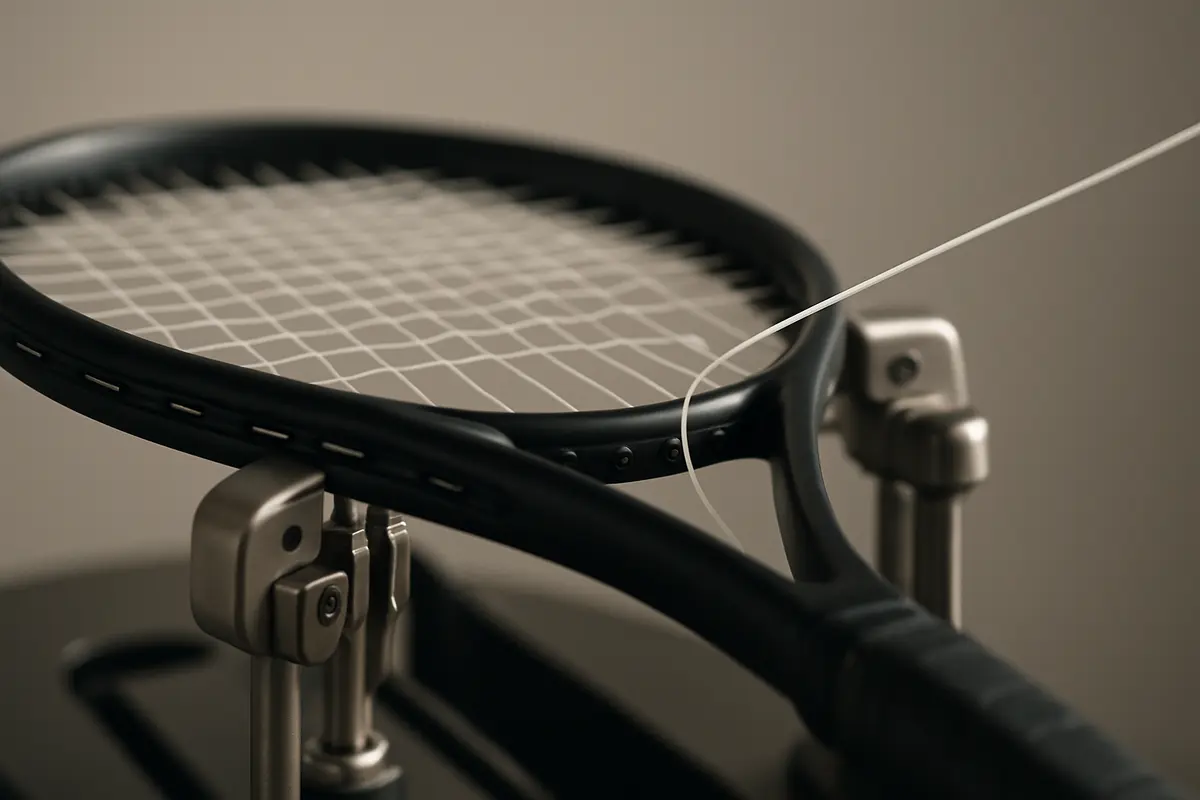
String type and tension get all the attention, but the person and machine behind the job shape how a racket actually plays. Here is what separates a good string job from a great one.

Selling your old racket to a club mate is one of the most sensible things you can do. Here is how to raise it, price it fairly, and avoid the awkward bits.

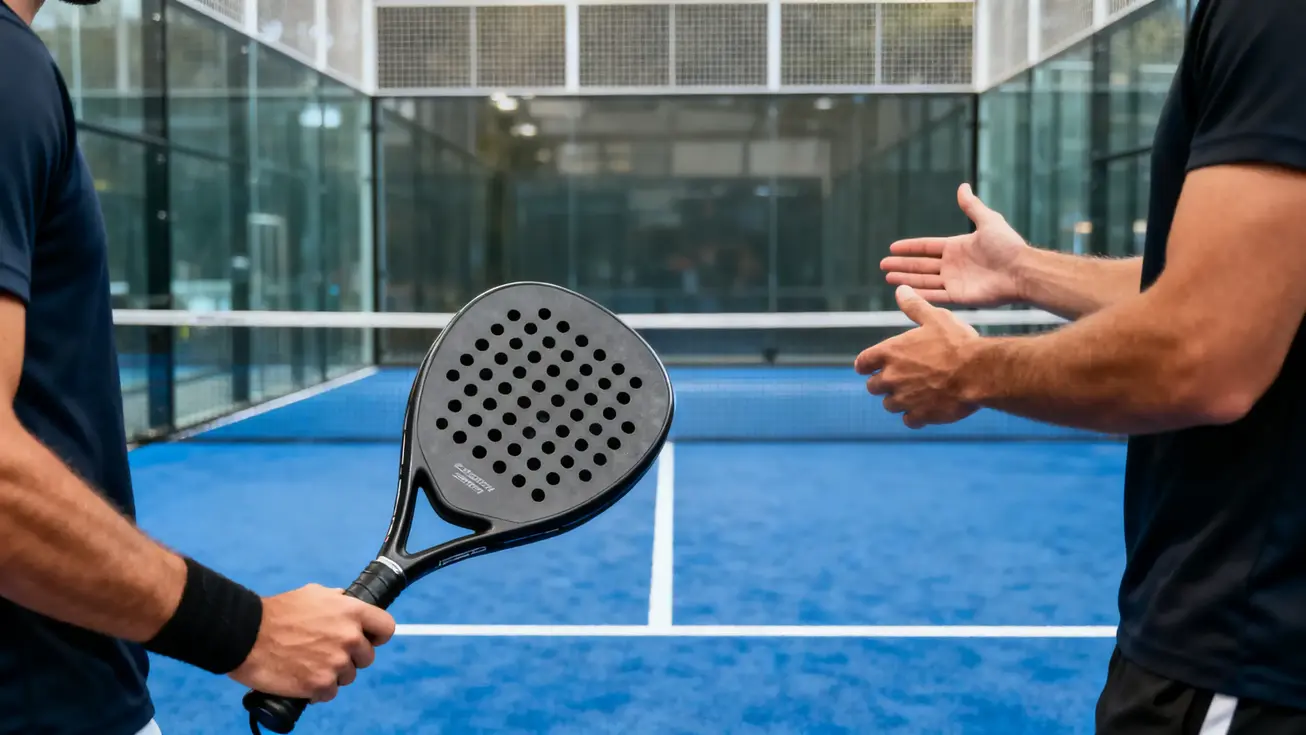
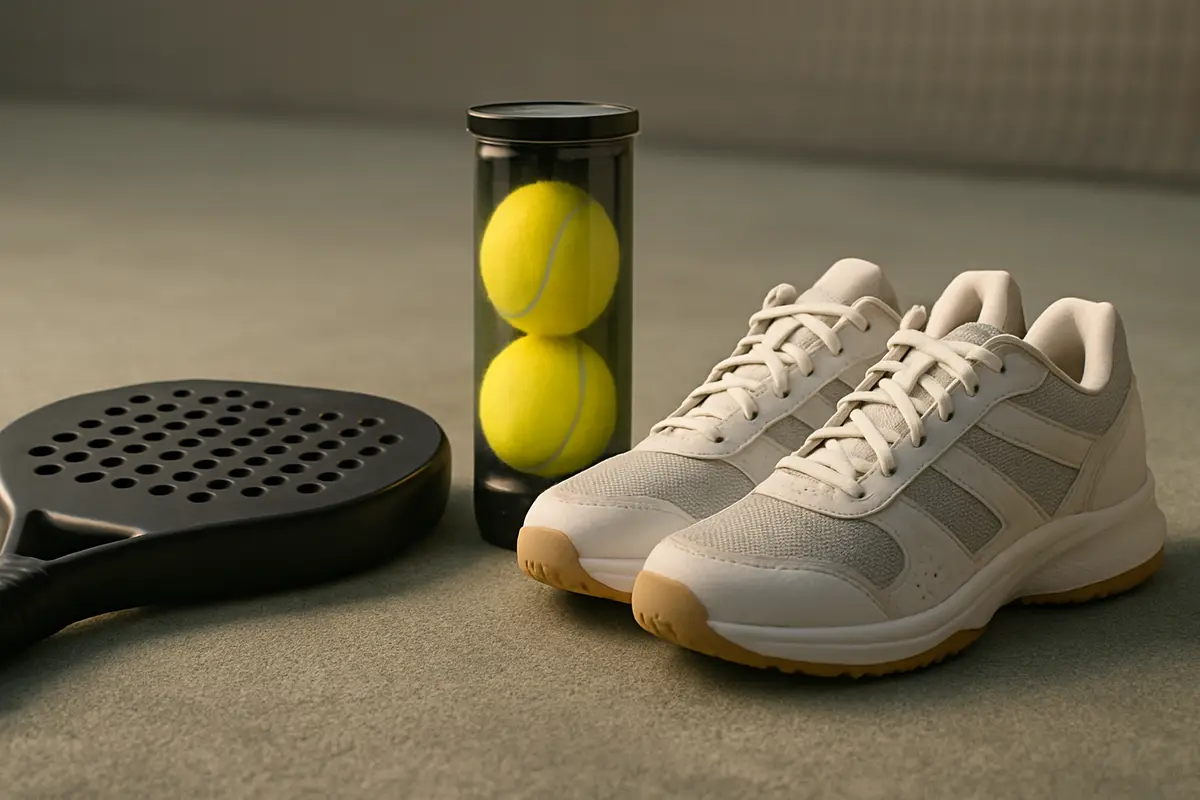
Bringing a friend to padel? Here is exactly what they need to buy, what can wait, and why a pre-owned racket is the only sensible starting point.

Higher tension does not automatically mean more control, and lower tension is not just for beginners. Here is how to find the string tension that fits your game, your arm, and your conditions.

Bought a pre-owned racket and not sure if it's the one? Here is a practical field-test process for the first few sessions, covering balance, mishit feedback, string bed feel, and when to restring before you decide anything.

A practical guide to running a round-robin for mixed-ability groups, covering formats, scoring, odd numbers, and free tools to sort the logistics.

Lateral epicondylitis is not just bad luck. The stiffness, weight, and balance of your racket directly affect how much shock travels into your arm. Here is what to look for.

A practical guide for club members and coaches who want to run an informal gear exchange: collecting items, pricing fairly, handling money, and getting members to actually show up.

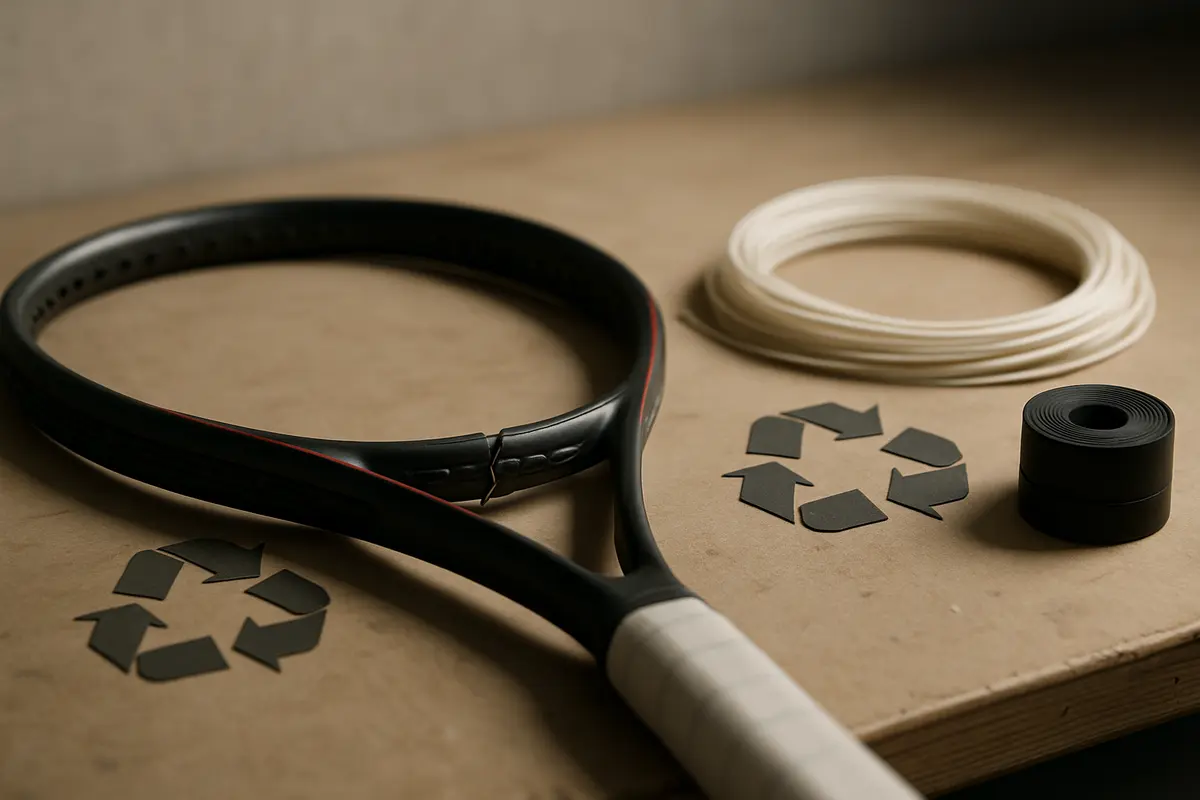
Before you bin a broken racket, it is worth knowing what can genuinely be fixed, stripped for parts, or recycled. Here is an honest look at the options, from restringing to carbon fibre disposal.