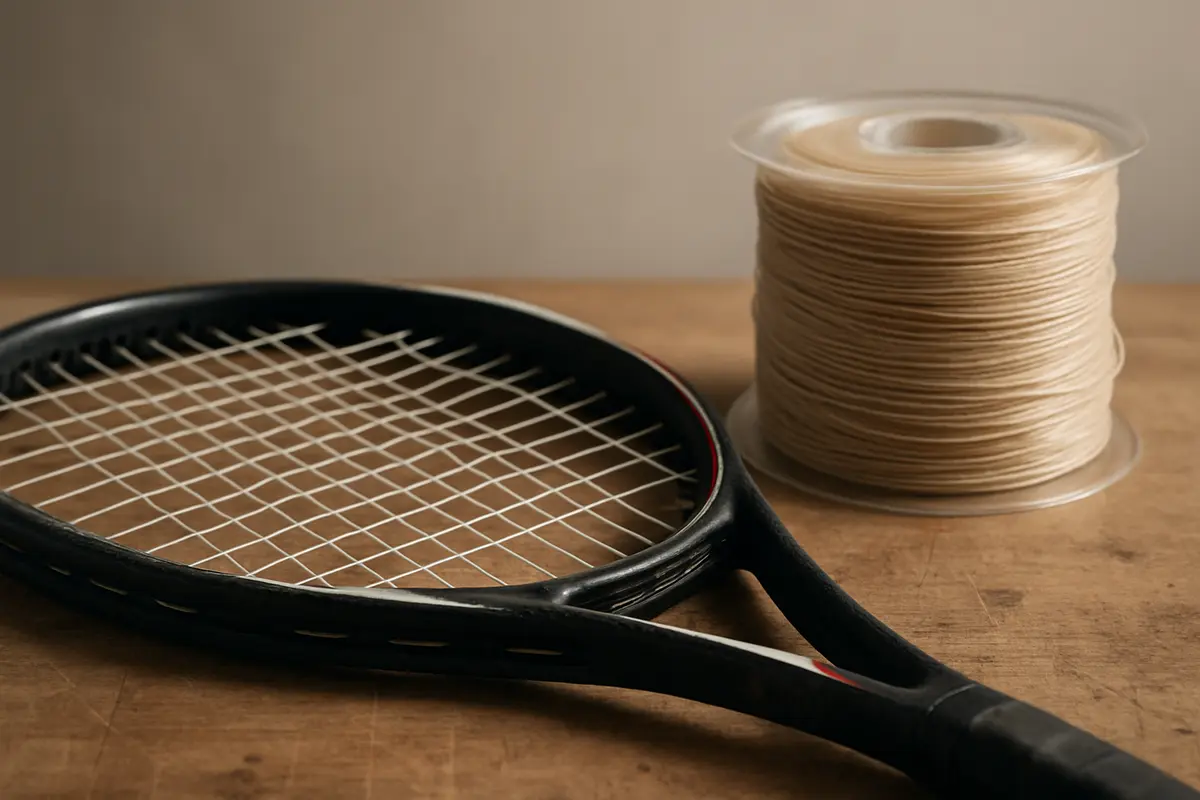
Las cuerdas se quedan muertas al cabo de unos meses y empiezas a preguntarte si merece la pena conservar todo el marco. Es una pregunta razonable, pero la mayoría de las veces te la haces demasiado pronto. Un encordado cuesta una fracción de lo que vale una pala o raqueta nueva, se hace en un día y puede hacer que el marco se sienta como recién salido de fábrica. El problema es que el mismo síntoma (la bola se siente apagada, te duele el brazo, tus golpes pierden mordiente) puede deberse tanto a unas cuerdas muertas como a un marco que ha llegado de verdad al final de su vida útil. Errar en ese diagnóstico sale caro en ambos sentidos.
Esto importa porque un marco de calidad no es barato, y si el tuyo todavía conserva su integridad estructural, tirarlo es malgastar dinero y material. Por otro lado, encordar un marco agrietado o deformado es tirar el dinero en un problema que no se va a solucionar. He visto cometer ambos errores en la tienda: jugadores que encuerdan marcos que deberían haber retirado, y jugadores que compran raquetas nuevas cuando un juego de cuerdas nuevo lo habría resuelto todo. La guía que sigue es mi intento de ayudarte a distinguir entre ambas situaciones.
Cómo valorar si tu marco merece la pena conservarlo#
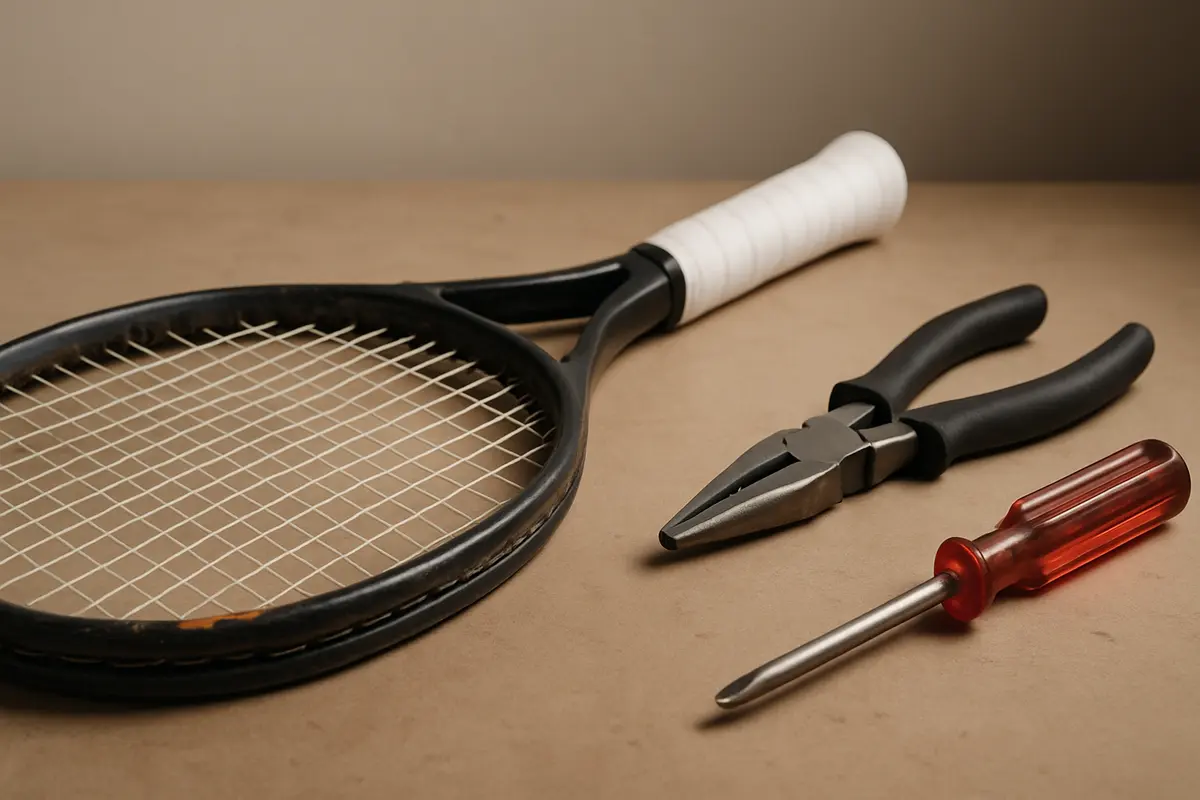
Empieza por una inspección física, no por una sensación. Pon el marco a contraluz y observa a lo largo del perfil de cada sección: el corazón, los hombros, la parte alta de la cabeza. Lo que buscas es cualquier grieta, por fina que sea. Pasa el pulgar por el interior del marco, donde se asientan los protectores (grommets). Unos grommets partidos, ausentes o desgastados hasta dejar el marco al descubierto son señal de antigüedad, pero también son reemplazables en la mayoría de los marcos, así que eso por sí solo no es motivo para retirar una raqueta.
A continuación, presiona suavemente sobre el marco a la altura de los hombros y escucha. Un marco sano no hace ruido. Un marco con delaminación o agrietado suele producir un leve crujido o clic. Si oyes algo, que lo confirme un encordador o una tienda antes de gastarte el dinero en cuerdas.
Si el marco supera la inspección visual y física, casi con total seguridad merece la pena encordarlo. Si no la supera, ningún encordado arreglará lo que falla a nivel estructural.
Cuándo lo correcto es encordar#
Las cuerdas pierden tensión de forma continua desde el momento en que se montan, juegues o no. Un juego de cuerdas de poliéster puede perder una cantidad notable de tensión en las primeras semanas. Si juegas dos o tres veces por semana, encuerda al menos tantas veces al año como veces juegas por semana. Es una regla orientativa, no una ley, pero te mantiene en cintura.
Las señales de que el problema son las cuerdas y no el marco: la bola se siente hueca o como un trampolín fuera del punto dulce, generas menos efecto del habitual a pesar de no haber cambiado de técnica, o sientes molestias en el brazo que no estaban cuando la raqueta era más nueva. Todo eso apunta a pérdida de tensión y fatiga de las cuerdas.
Encordar también te da la oportunidad de experimentar. Si siempre has jugado con un multifilamento y tu brazo empieza a quejarse, cambiar a un montaje híbrido más blando a menor tensión te cuesta un encordado. Es un experimento mucho más barato que comprar un marco nuevo. La guía de tensión de cuerdas de tenis de esta web profundiza en cómo interactúan la tensión y el tipo de cuerda, por si quieres valorar las opciones antes de pasarte por el encordador.
Cuándo lo correcto es reemplazar el marco#
Hay tres motivos claros para reemplazar en lugar de encordar.
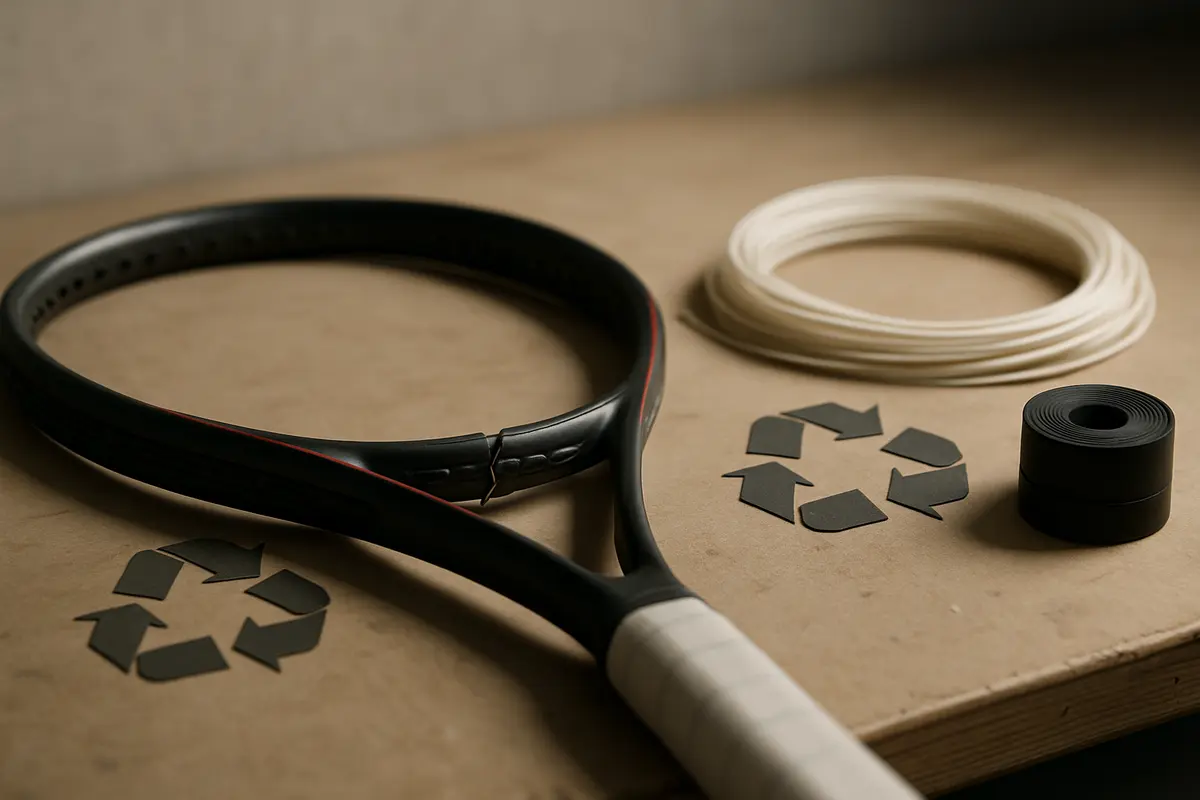
El marco tiene daños estructurales. Cualquier grieta, aunque apenas se vea, significa que el marco está comprometido. El encordado somete al marco a una carga considerable. Un marco agrietado puede romperse durante el encordado o, peor aún, durante el juego. Retíralo.
Los grommets no tienen arreglo. Algunos marcos son tan antiguos que las tiras de grommets de repuesto ya no se fabrican. Si los grommets están acabados y no existe recambio, la cuerda cortará el marco al descubierto de inmediato. En ese punto, la vida útil del marco ha terminado.
Tu juego lo ha superado de verdad. Esto exige honestidad. Si empezaste con un marco de iniciación ligero y de cabeza grande y ahora juegas tenis de club a nivel competitivo, el marco te está limitando. Ningún encordado cambia la rigidez, el tamaño de la cabeza ni el punto de equilibrio. Es un motivo legítimo para dar el salto, y también es el momento de pensar qué pasa con el marco antiguo. Si está estructuralmente sano, su sitio está en manos de otra persona, no en la basura.
El equivalente en pádel: jubilación, no encordado#
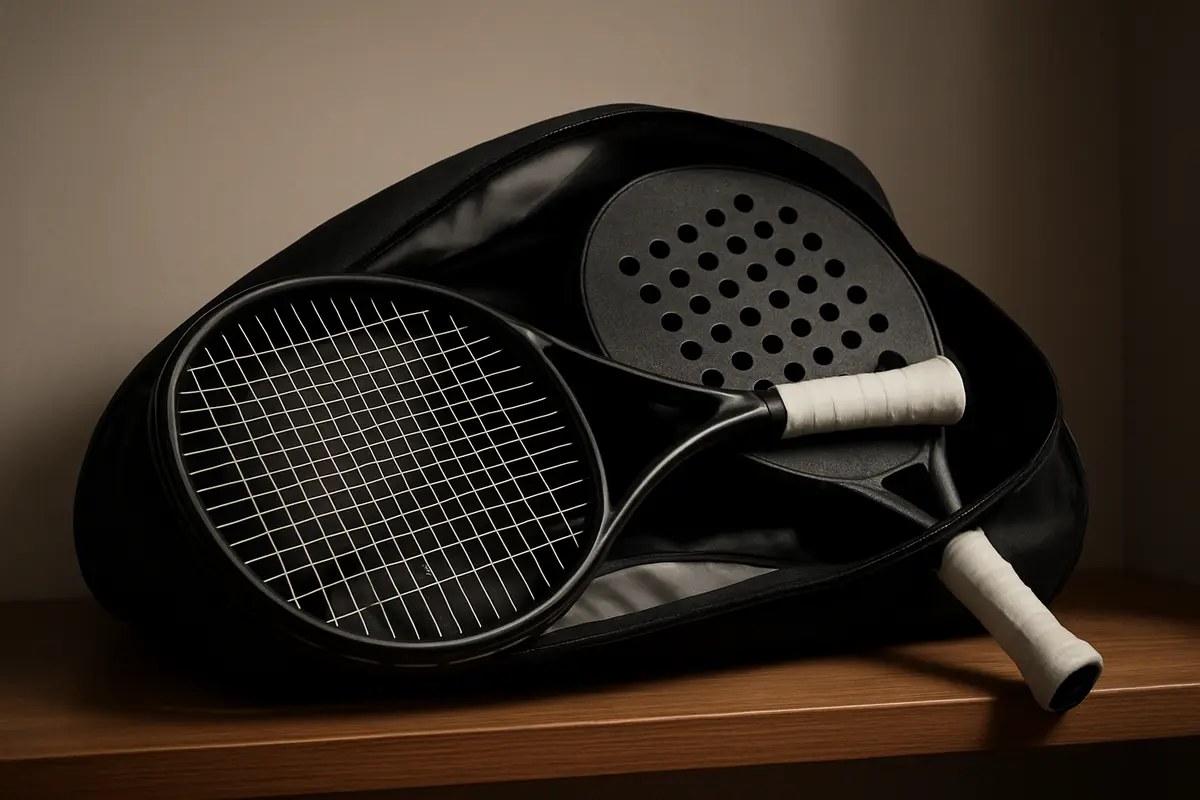
Las palas de pádel no se pueden encordar. No tienen cuerdas. La superficie de golpeo es una cara perforada (normalmente fibra de carbono o fibra de vidrio sobre un núcleo de goma EVA), y cuando esa superficie se delamina, se agrieta o el núcleo de goma se degrada, la pala está acabada. No existe nada equivalente a un encordado nuevo para recuperar el rendimiento.
Lo que los jugadores de pádel deben vigilar: delaminación en los bordes de la cara, grietas visibles en la capa de carbono o un cambio en el sonido y el tacto de la bola al salir de la superficie (un golpe seco y apagado en lugar de un sonido nítido). Si notas cualquiera de estas señales, la pala ha llegado al final de su vida útil. A diferencia de un marco de tenis, no hay reparación que la devuelva a la vida.
Por eso el argumento de la sostenibilidad en el pádel es distinto: compra bien desde el principio, cuida la superficie (el protector de cinta en el borde ayuda de verdad) y, cuando vayas a mejorar, vende la pala antigua mientras todavía le quede vida, en lugar de esperar a que esté tan deteriorada que ya no le sirva a nadie.
Lista de decisiones: encordar, reparar o reemplazar#
| Situación | Qué hacer |
|---|---|
| El marco supera la inspección visual/física, las cuerdas son viejas | Encordar |
| Grommets desgastados pero hay tiras de repuesto disponibles | Cambiar los grommets y luego encordar |
| Grieta fina en cualquier parte del marco | Retirar el marco |
| Grommets acabados, sin tiras de repuesto disponibles | Retirar el marco |
| El marco está sano pero tu juego lo ha superado | Vender o donar, comprar un recambio adecuado |
| Pala de pádel con la cara delaminada o agrietada | Retirar la pala |
| Pala de pádel en buen estado pero vas a mejorar | Ponerla a la venta mientras todavía juega bien |
La lógica de esa tabla no es complicada, pero merece la pena dejarla por escrito porque la decisión suele tomarse con prisas, normalmente justo cuando vas a jugar y notas que algo no va bien.
Qué hacer a continuación#
Si tu marco está sano y solo necesita un encordado, resérvalo con un encordador cualificado y usa la guía de tensión de cuerdas de tenis para llegar con una idea clara de lo que quieres del montaje.
Si tu marco está realmente al final de su vida útil y vas a comprar un recambio, piensa qué pasa con el antiguo. Un marco agrietado no se puede traspasar, pero un marco estructuralmente sano que simplemente has superado sin duda sí. Ponerlo a la venta significa que otra persona podrá jugar con material de calidad a un precio justo, y compensa parte del coste de tu próxima raqueta. El artículo sobre material de segunda mano y sostenibilidad defiende por qué esto importa más allá de lo puramente económico.
Si ahora mismo estás buscando un marco de recambio, la sección de raquetas de tenis del marketplace tiene marcos de segunda mano en una amplia variedad de pesos, tamaños de cabeza y rangos de precio. El material de calidad no debería quedarse sin usar, y casi siempre hay algo que merece la pena probar.