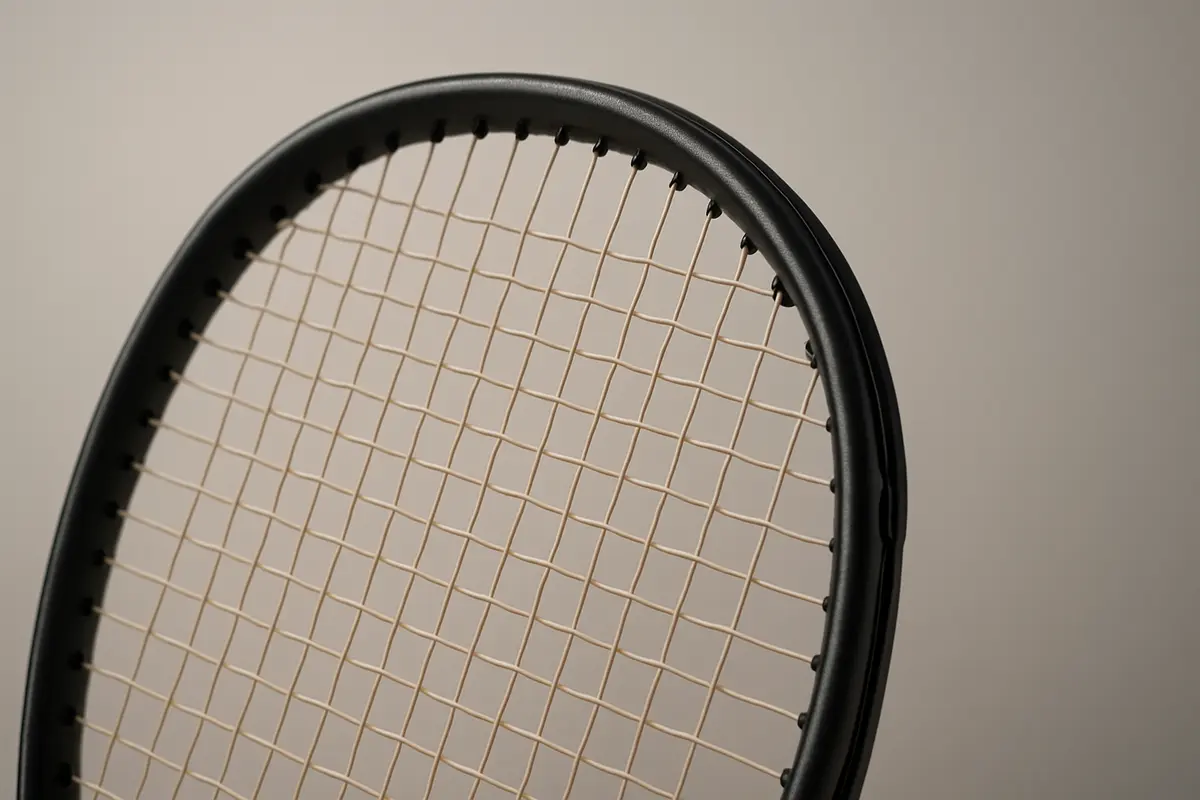
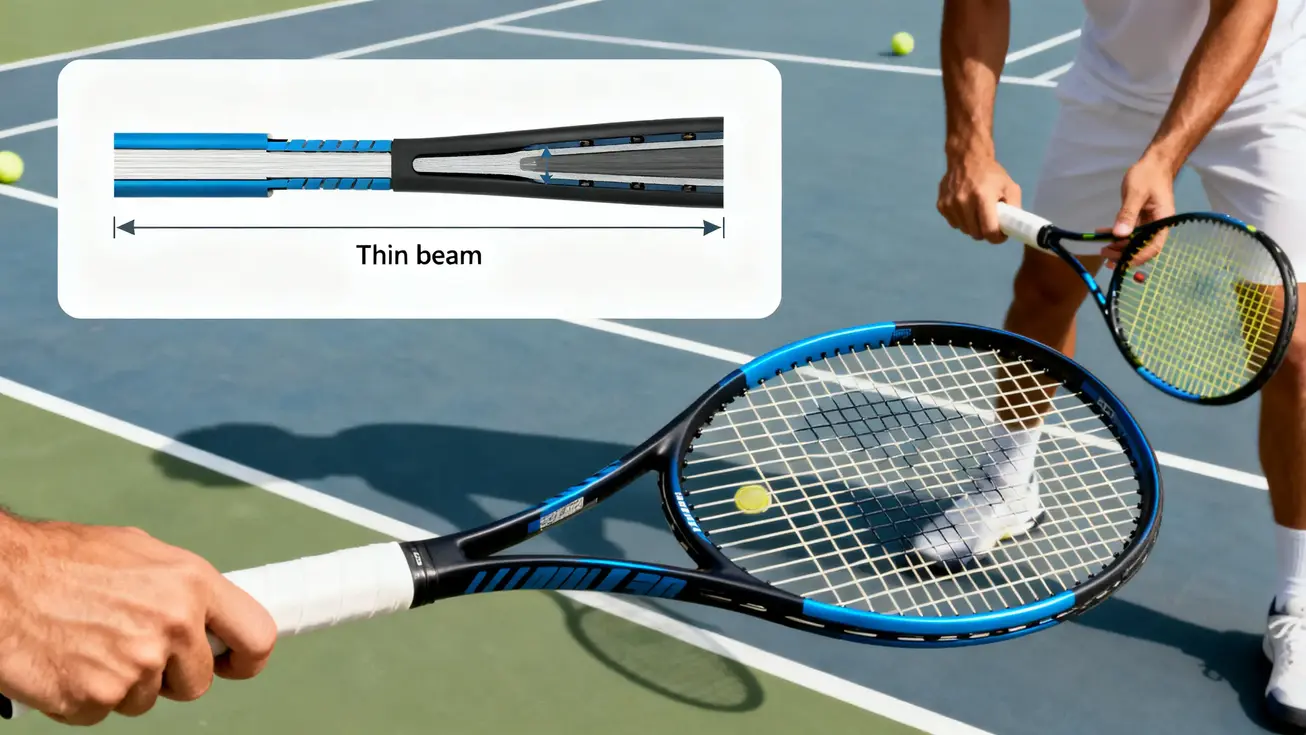
What the beam width of a tennis racket actually tells you before you buy
Beam width is one of the most useful numbers on a racket spec sheet, and most players ignore it. Here is what thin versus wide actually means for power, control, and feel.
Opinions. Gear talk. Occasional string tension debates.

Beam width is one of the most useful numbers on a racket spec sheet, and most players ignore it. Here is what thin versus wide actually means for power, control, and feel.

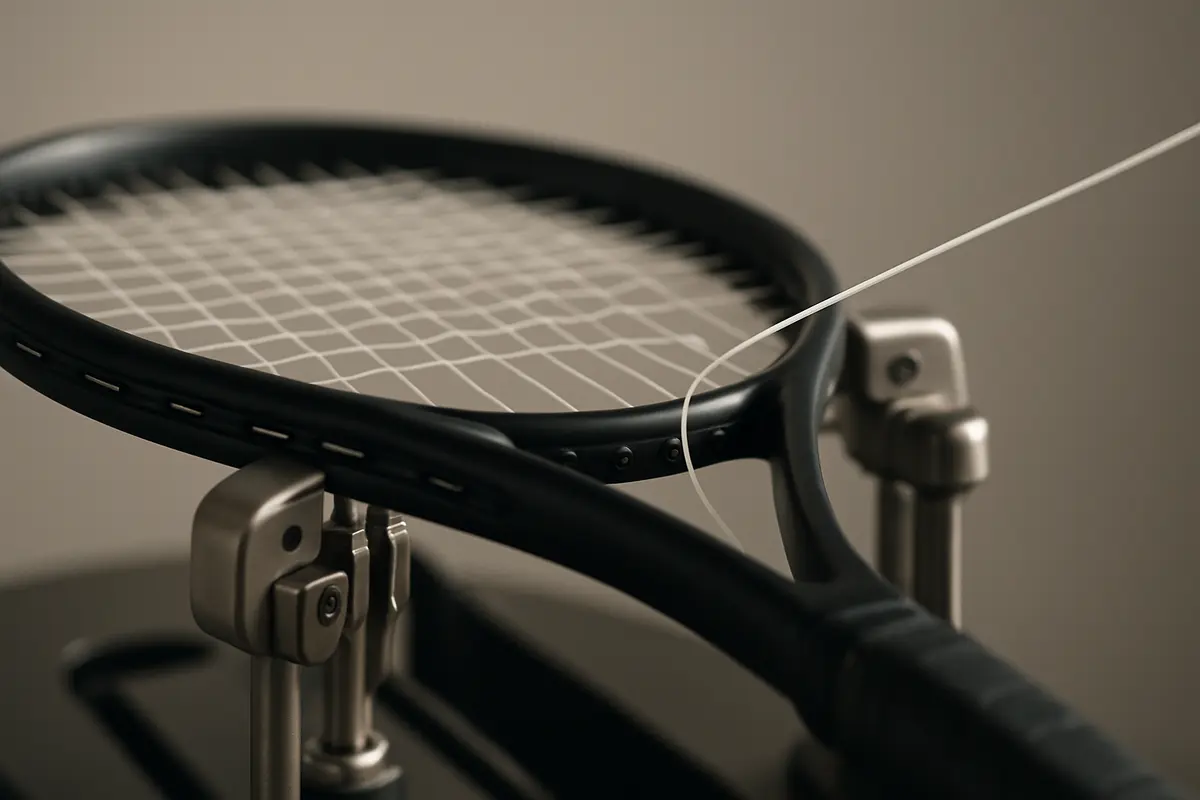
String type and tension get all the attention, but the person and machine behind the job shape how a racket actually plays. Here is what separates a good string job from a great one.

Higher tension does not automatically mean more control, and lower tension is not just for beginners. Here is how to find the string tension that fits your game, your arm, and your conditions.

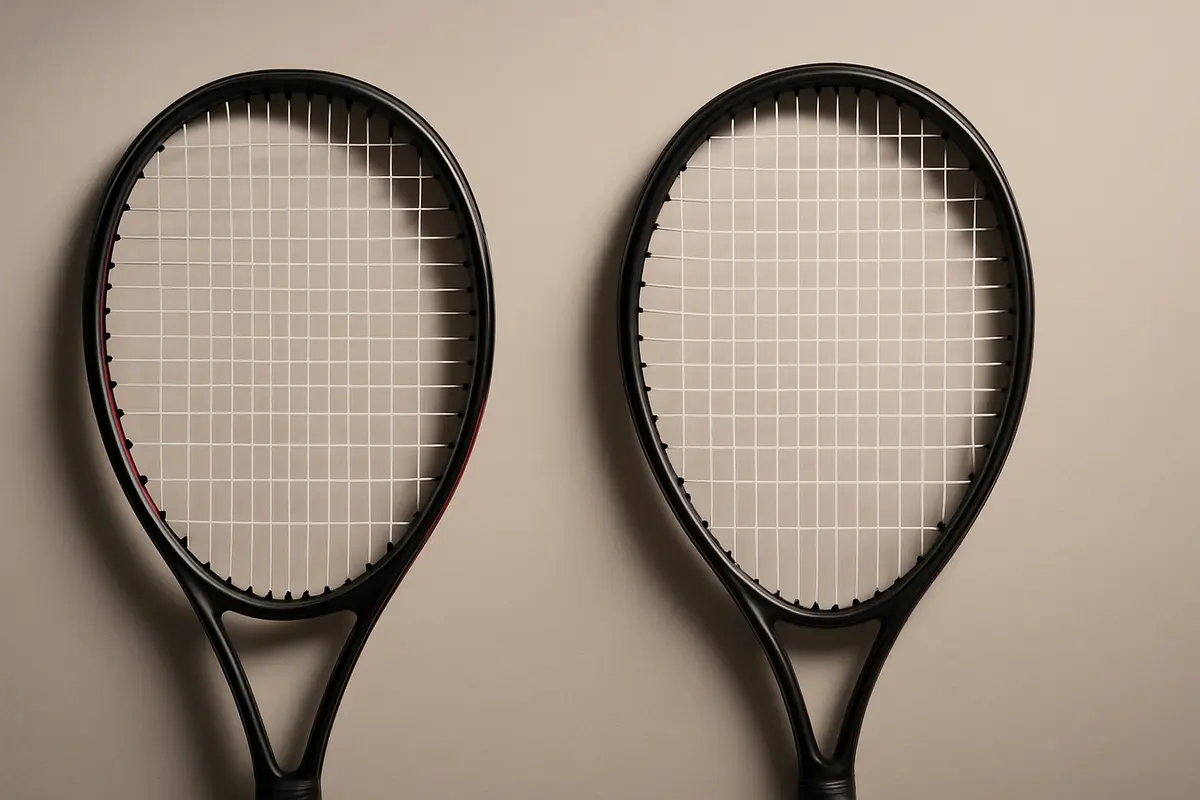
Open throat or closed throat: the frame detail most buying guides skip is one of the fastest ways to predict how a racket will feel and perform. Here is what the geometry is actually doing.

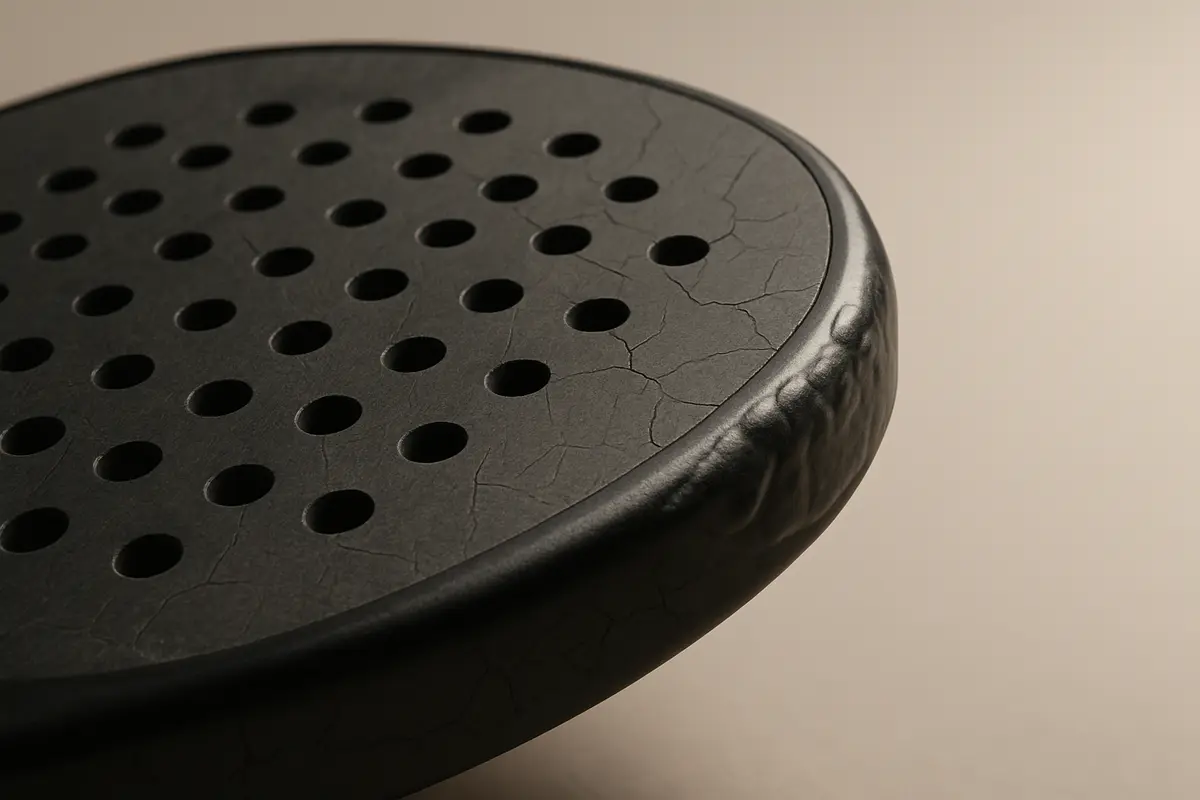
A hands-on inspection guide for spotting hairline cracks, bubbling carbon, soft spots and edge damage on a padel racket face. Useful before you buy, sell, or simply want to know what you are actually playing with.

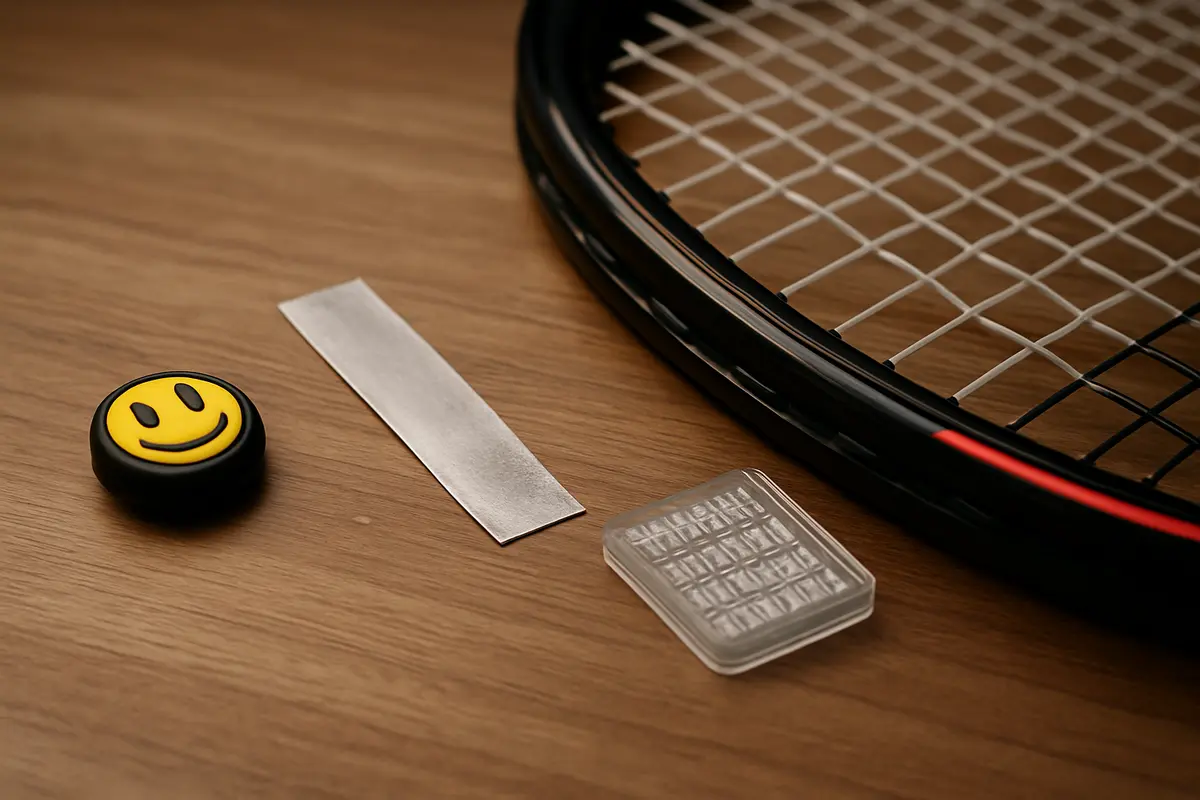
Cheap accessories can meaningfully alter the feel, stability and string life of a frame you already own. Here is what each one actually does and when it is worth bothering.

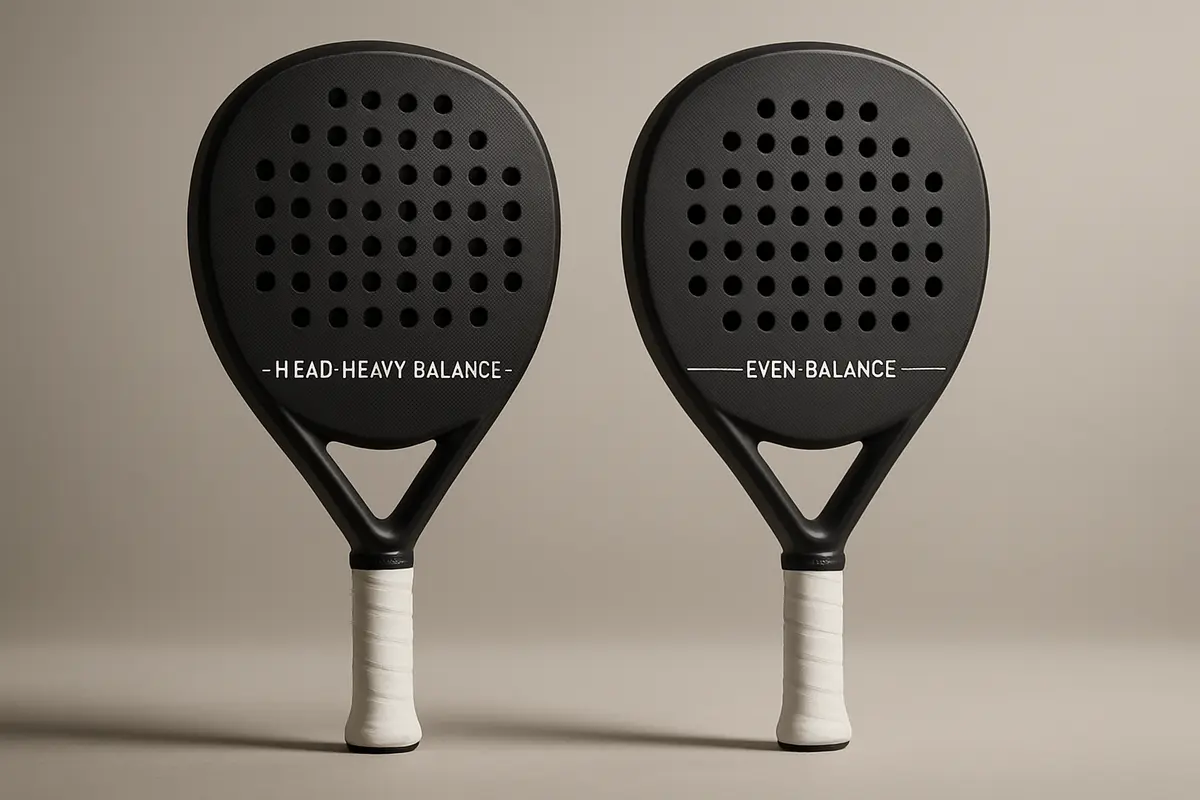
Weight and balance are the two main feel levers on a padel racket. Here is how to read the numbers and pick the right combination for your game.

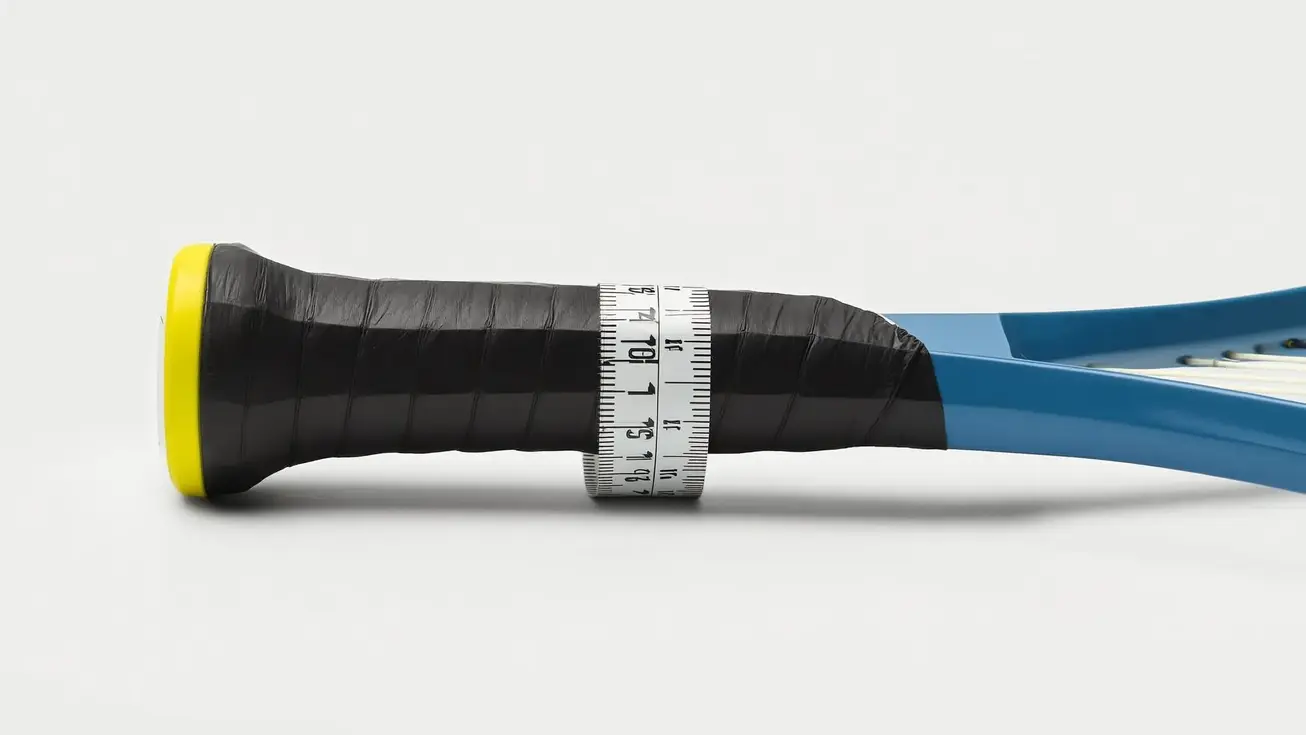
Wrong grip size is one of the most common causes of arm strain in racket sports. Here is how to measure correctly, understand European and US sizing, and use overgrips to fine-tune what you have.

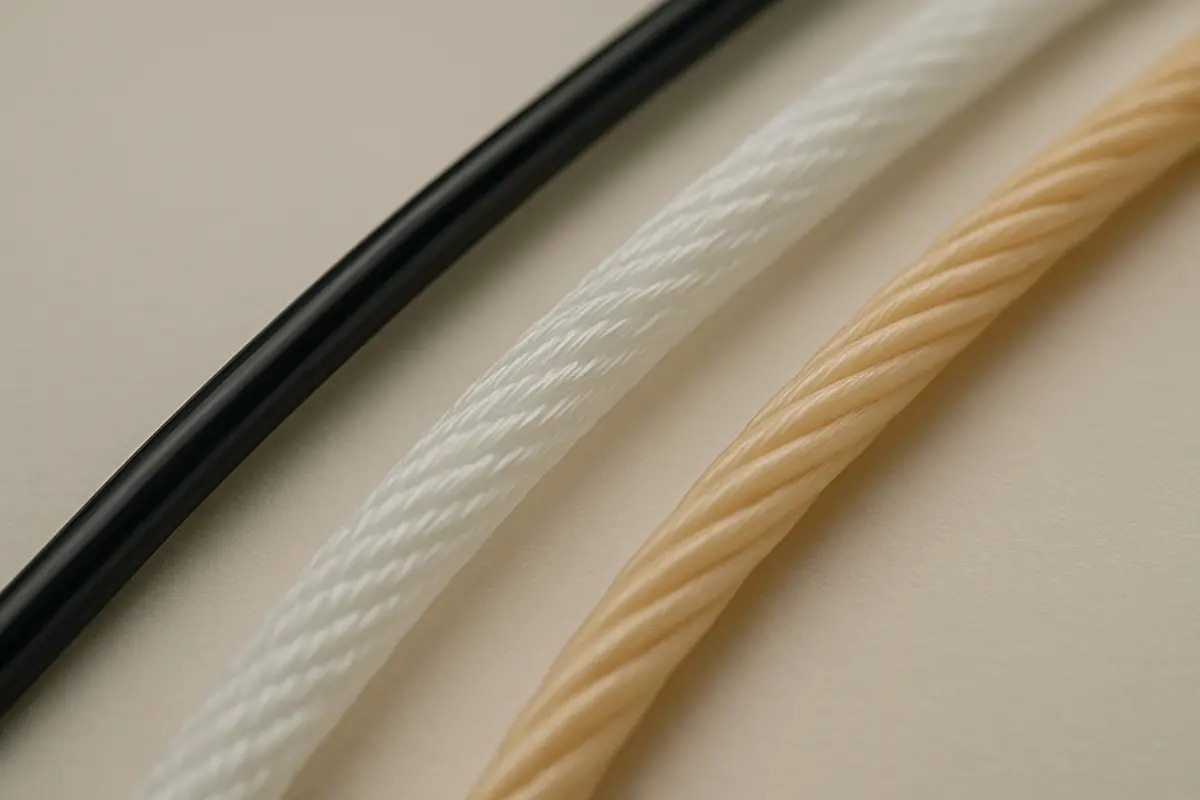
Polyester, multifilament, or natural gut? This guide explains what each string type actually does, who it suits, and how to choose without copying what the pros use.