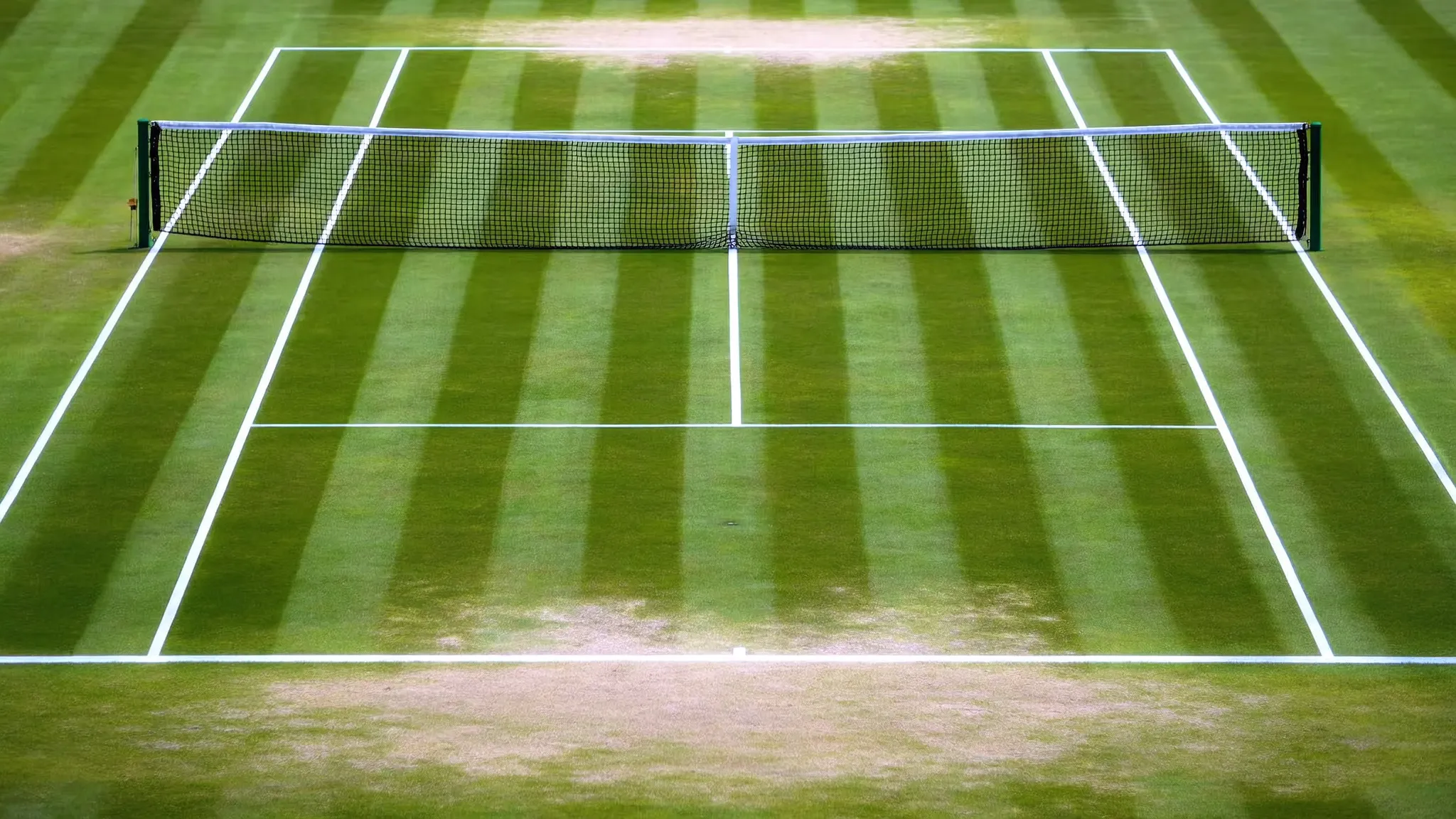
Wimbledon ha elevado su premio total a £64,2 millones para 2026, un aumento del 20 por ciento y el mayor en la historia del torneo, sin embargo los mejores jugadores del mundo dicen que los problemas estructurales siguen sin resolver y limitarán sus compromisos mediáticos durante la quincena en protesta. El All England Club ha respondido diciendo estar "sorprendido y decepcionado", según Sky Sports. Los representantes de los jugadores reconocieron el aumento de £10,7 millones como "un paso genuino hacia adelante" pero insistieron en que su demanda central - una mayor participación en los ingresos de los Grand Slams - sigue sin cumplirse.
Esto no es una huelga salvaje. Es una señal cuidadosamente coordinada desde la cúpula del deporte de que el dinero, la gobernanza y el poder de los jugadores ahora son elementos permanentes de la conversación sobre Wimbledon, no ruido de fondo.
Por qué los números importan más allá de la Pista Central#
La brecha entre lo que generan los Grand Slams y lo que se llevan a casa los jugadores ha sido un problema latente desde al menos el Roland Garros de principios de este año, cuando Aryna Sabalenka y Jannik Sinner estaban entre quienes pedían públicamente un reparto más justo. El aumento del 20 por ciento de Wimbledon suena generoso hasta que consideras que los derechos televisivos, los ingresos de hospitalidad y los beneficios por licencias han crecido significativamente más rápido que el fondo de premios durante el mismo período. Los representantes de los jugadores presionan por un porcentaje fijo de los ingresos en lugar de una cifra establecida unilateralmente por el club cada año.
Para los aficionados ocasionales que ven desde Lisboa o Madrid, el efecto práctico esta quincena es menos conferencias de prensa posteriores al partido y ventanas de disponibilidad más cortas para los jugadores. Para el deporte a largo plazo, es una cuestión de si la estructura de gobernanza, construida alrededor de cuatro eventos Grand Slam dirigidos privadamente, puede sobrevivir a la presión sostenida de un grupo de jugadores cada vez más organizado.
El ángulo de raquetas de segunda mano que nadie está discutiendo#
Cuando los mejores jugadores están insatisfechos con el establishment del tenis, la máquina que mantiene en marcha los contratos de patrocinio profesional tiende a ralentizarse. Los contratos de patrocinio son lo que impulsa a los fabricantes a lanzar nuevos modelos insignia año tras año, retirar generaciones anteriores e incitar a los minoristas a liquidar stock antiguo. Un enfrentamiento prolongado entre jugadores y los Grand Slams introduce incertidumbre en ese ciclo.
Para los compradores en Portugal y España, esto es en realidad buenas noticias. Los modelos que de otro modo hubieran sido descontinuados y reemplazados por un sucesor más reluciente impulsado por patrocinios tienden a permanecer en el mercado de segunda mano un poco más tiempo, manteniendo los precios estables. En este momento, la temporada de hierba ya ha impulsado la demanda de raquetas más rápidas y de vainas más finas - el tipo favorecido por jugadores de saque y volea - y esos modelos están apareciendo en plataformas de segunda mano mientras los jugadores rotan equipos antes de la temporada de tierra batida.
| Lo que está sucediendo | Lo que significa para los compradores |
|---|---|
| La disputa sobre premios se prolonga | La rotación de patrocinios se ralentiza; los modelos existentes permanecen en circulación más tiempo |
| Los mejores jugadores reducen sus compromisos mediáticos | Menos impulso promocional para nuevas raquetas esta quincena |
| El premio de Wimbledon sube a £64,2m | La salud comercial del deporte intacta; la demanda de equipos de tenis se mantiene fuerte |
| La temporada de hierba en pleno apogeo | Raquetas más rápidas y de vainas finas circulando en el mercado de segunda mano ahora |
Qué hacer ahora#
Si has estado observando una raqueta de tenis adecuada para hierba - algo con un patrón de encordado más apretado y un poco menos potencia que tu configuración habitual en tierra batida - esta es una buena ventana para comprar de segunda mano. La quincena de Wimbledon se extiende hasta el 12 de julio, y los vendedores tienden a listar equipos que acaban de rotar precisamente cuando el Grand Slam domina el ciclo de noticias.
Explora lo que está disponible en la sección de tenis de EpicRackets ahora, o si tienes una raqueta acumulando polvo después de que termine la temporada de hierba, este es el momento para listarla mientras la demanda está en su máximo anual.
La política en la cúpula del juego es complicada, pero el tenis en sí es brillante - y el mercado de equipos nunca ha estado más activo.