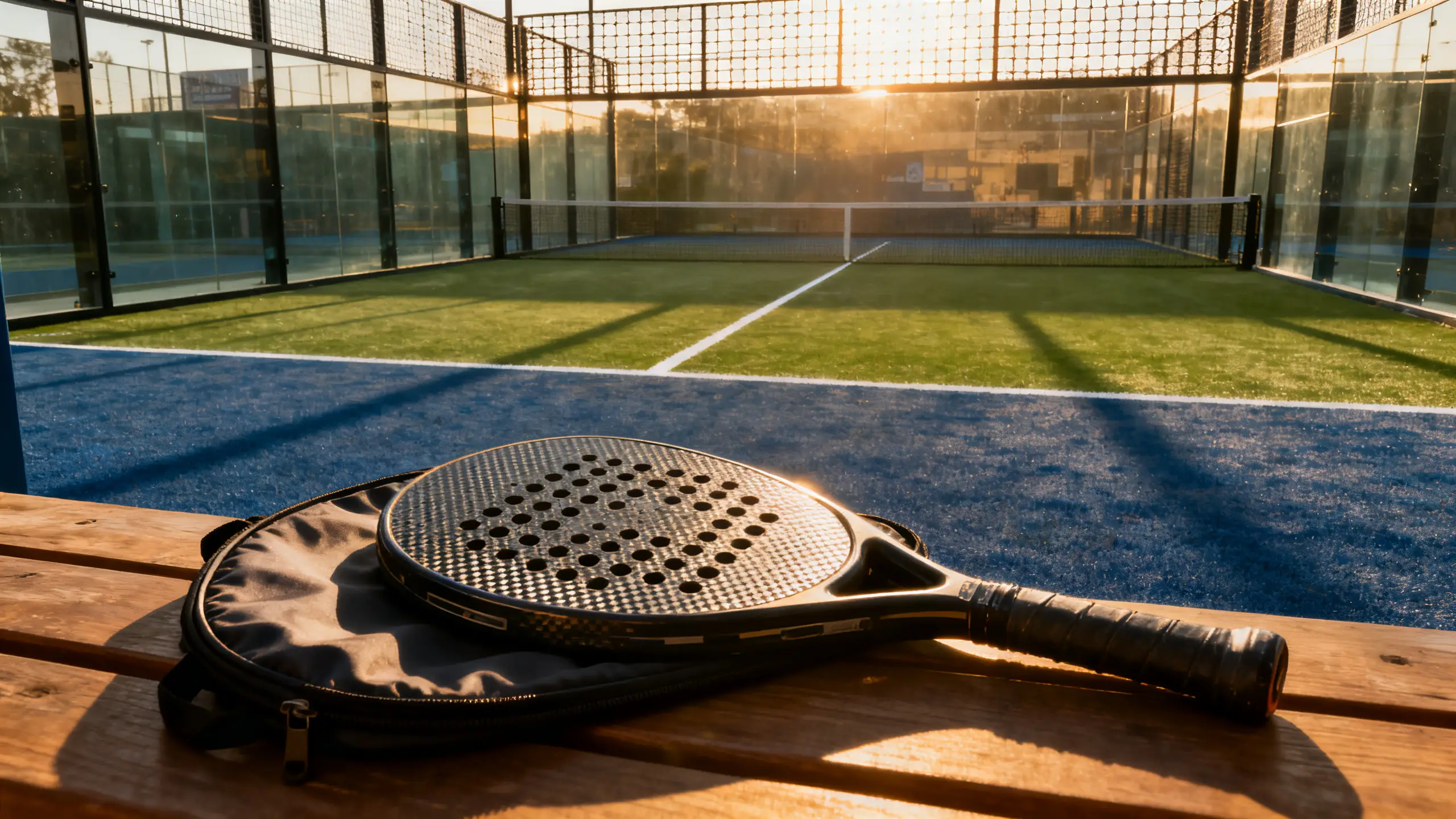
La respuesta corta: las palas de padel son caras porque son técnicamente complicadas de construir bien, el deporte crece lo suficientemente rápido como para que las marcas puedan mantener precios altos, y el mercado minorista aún no ha madurado lo suficiente como para ejercer mucha presión a la baja. Una pala de club decente de Bullpadel, Head o Nox comienza alrededor de €120-€150. Una pala de nivel competitivo - el tipo de cosa que usaría un jugador de club serio o un competidor regional - se sitúa en €250-€380. Y sí, hay palas que rondan los €450 en el precio minorista.
La buena noticia es que el mercado de segunda mano reduce significativamente esos números, y entender por qué las palas nuevas cuestan lo que cuestan le ayuda a identificar si un precio de segunda mano es justo o simplemente deseos.
Qué entra realmente en el precio#
Las palas de padel no tienen cuerdas. Lo que está sosteniendo es un marco sólido, típicamente una cara de fibra de carbono o fibra de vidrio laminada sobre un núcleo de espuma EVA o espuma más suave. Esa construcción es más laboriosa de lo que parece.
Capas de fibra de carbono. Las palas de gama alta utilizan tejidos de carbono 12K o 18K en la cara y el marco, a veces con un tratamiento de superficie texturizado que proporciona spin extra. El material prepreg de carbono sin procesar no es barato, y cortarlo, colocarlo y curarlo correctamente es un proceso especializado. Las palas de presupuesto utilizan fibra de vidrio, que es más barata y más tolerante, pero menos precisa.
Densidad del núcleo. El núcleo, generalmente espuma de caucho EVA, es donde se realiza una gran cantidad de ingeniería. La espuma más dura proporciona más potencia y menos sensación. La espuma más suave (a menudo etiquetada como 'soft EVA' o 'HR3', según la marca) proporciona más control y es más amigable con su brazo. Mantener esa densidad consistente durante una serie de producción requiere control de calidad que agrega costos.
Forma y equilibrio. Las formas redondas son más pesadas en el mango y se adaptan a jugadores de control. Las formas de diamante desplazan el peso hacia la parte superior para potencia extra. La forma de lágrima está en el medio. Cada forma requiere herramientas de moldeado diferentes, por lo que las marcas que producen tres o cuatro formas en un rango están distribuyendo costos fijos significativos sobre volúmenes unitarios más bajos que, digamos, un fabricante de raquetas de tenis vendiendo el mismo molde en 50 países.
Volumen y margen. El tenis y el bádminton son mercados globales masivos. El padel sigue siendo principalmente un fenómeno español, portugués, italiano y sueco a escala, aunque está creciendo rápidamente en toda el Norte de Europa. Volúmenes totales más bajos significan costos de fabricación más altos por unidad, y las marcas aún pueden exigir márgenes premium porque la demanda supera la oferta de equipamiento de calidad en muchos mercados.
Cómo se ve realmente el mercado de segunda mano#
Aquí es donde las cosas se ponen interesantes para compradores y vendedores. Las palas de padel se deprecian significativamente en el momento en que se usan por primera vez, en parte porque el núcleo de espuma se comprime con el tiempo y en parte porque el revestimiento de la cara sufre abrasión. Una pala que pasó seis meses en la bolsa de alguien es genuinamente un producto diferente a una nueva, y los precios deberían reflejar eso.
Estos son rangos realistas del mercado de segunda mano basados en la condición:
| Condición | Descripción | Precio típico (% del PVP) | Ejemplo: pala con PVP €280 |
|---|---|---|---|
| Como nueva (sin usar/1-2 sesiones) | Sin marcas, grip original, bolsa incluida | 65-75% | €180-€210 |
| Buena (3-6 meses de uso regular) | Rasguños ligeros en la cara, grip gastado pero jugable | 45-60% | €125-€170 |
| Regular (6-18 meses, desgaste claro) | Marcas visibles en la cara, protector de borde dañado, puede necesitar nuevo grip | 30-45% | €85-€125 |
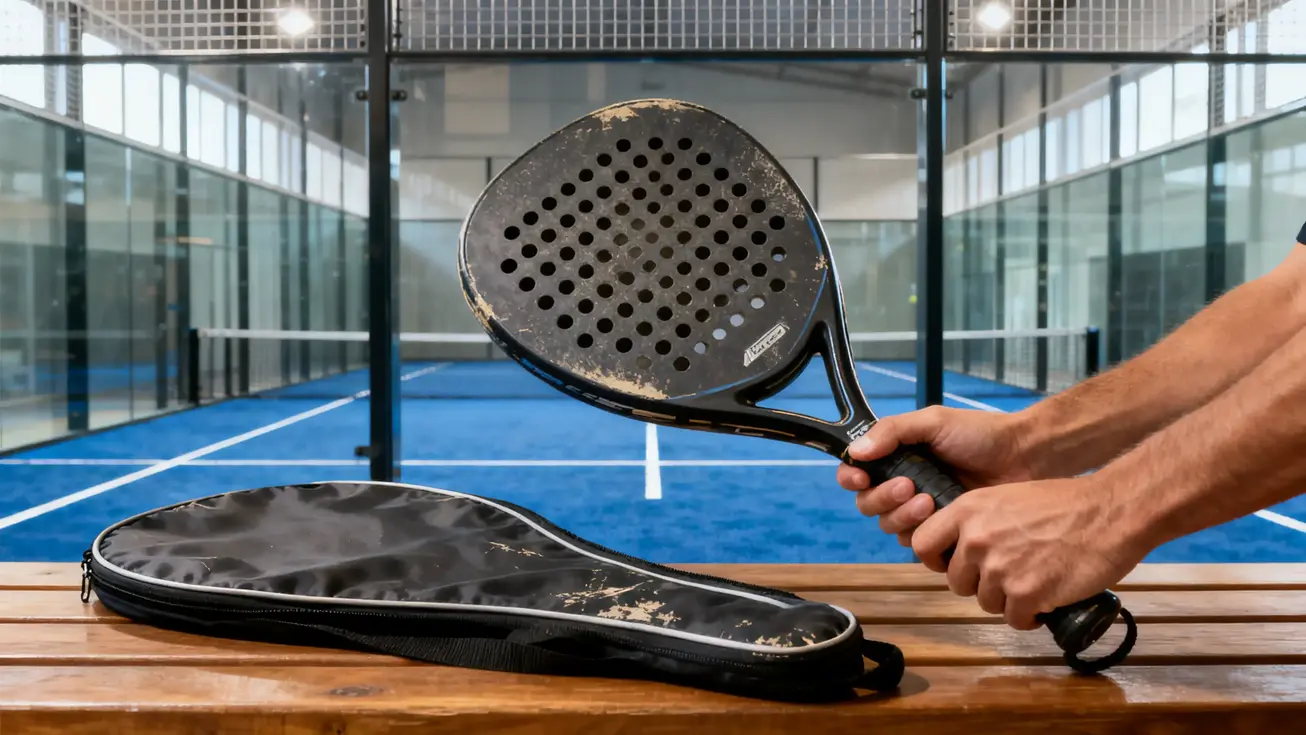
| Muy usada (18+ meses o juego intenso) | Marcas profundas en la cara, astillas en el marco, núcleo blando | 15-30% | €40-€85 |
Algunas cosas modifican estos números. La marca importa: Bullpadel, Nox y Head mantienen mejor valor que las marcas menos conocidas porque los compradores confían en el nombre. Las ediciones limitadas y los modelos con firma de profesionales pueden mantener 70-80% del PVP durante algunos meses después del lanzamiento si se agotan en la tienda. Las palas que vienen con la bolsa original y en condición original siempre se venden más rápido y por más dinero.
Lo que mata rápidamente el valor de reventa: un marco agrietado (a menudo cerca del puente), desvinculación en la cara (cuando la piel de carbono comienza a hacer burbujas o despelarse), o un núcleo que se ha ablandado después del uso intenso. Puede probar un núcleo muerto presionando firmemente en la cara: si se flexiona notablemente bajo presión moderada del pulgar, la espuma se ha comprimido y la pala ha perdido mucho de su potencia.
Cuándo comprar nueva versus segunda mano#
Si es un jugador principiante o ocasional, una pala de gama media usada en buen estado es genuinamente la compra más inteligente. Obtiene acceso a un marco de mejor calidad del que podría permitirse nuevo al mismo precio, y cuando descubra qué forma y peso realmente prefiere, no habrá gastado €300 en la cosa equivocada.
Si es un jugador intermedio a avanzado que sabe lo que quiere, comprar de segunda mano tiene sentido en marcos de gama alta donde la brecha de precio nuevo a segunda mano es mayor en términos absolutos. Una pala de €380 que se usó ligeramente durante dos meses y se está vendiendo a €240 es un ahorro genuino en equipamiento de calidad.
Dónde la segunda mano no tiene sentido: si la cara muestra signos de desvinculación o el marco tiene alguna grieta cerca del puente o la unión del mango. Estos son defectos estructurales, no cosméticos, y ningún descuento compensa una pala que podría fallar en medio de un rally.
Un consejo práctico: verifique el tamaño del grip y si el overgrip original aún está en su lugar. Debajo de un overgrip muy gastado, a veces encuentra el grip base en buen estado. Debajo de un overgrip impecable en una pala supuestamente poco usada, a veces encuentra el grip base completamente empapado y comprimido: un signo de que la pala tuvo mucho más uso del que se anunció.
Dónde comprar o vender#
Si tiene una pala guardada en el armario, el mercado de segunda mano es lo suficientemente saludable como para encontrar un comprador. Listarla con fotos claras de la cara, el borde del marco y la zona de la garganta, y siendo honesto sobre su condición, es lo que la vende rápidamente a un precio justo. Liste la suya en EpicRackets y estará frente a compradores en Portugal y el resto de Europa que buscan específicamente equipamiento de padel en lugar de simplemente pasar por él en un mercado general.
Si está comprando, use la tabla de condición anterior como referencia, y busque listados actuales de padel para ver por cuánto se están vendiendo realmente palas comparables en este momento. Los precios minoristas son lo que quieren las marcas. Los precios de segunda mano son lo que el mercado realmente piensa que vale una pala.