La respuesta rápida: el mejor lugar para vender una pala de pádel usada en el Reino Unido en este momento es un marketplace dedicado al pádel, seguido de tablones de anuncios en clubes locales y grupos de Facebook, siendo plataformas generales como eBay un distante tercero. Sigue leyendo para conocer las razones, los rangos de precios realistas y exactamente cómo escribir un anuncio que realmente convierte.
Por qué las palas de pádel mantienen mejor su valor que la mayoría del equipo deportivo#
Las palas de pádel son marcos de núcleo sólido sin cuerdas para reemplazar. La superficie de juego es fibra de carbono o fibra de vidrio, y el núcleo es EVA o espuma. No hay nada que reencantar, así que una pala que ha sido bien cuidada durante una temporada se ve y se desempeña mucho más cerca de nueva que, por ejemplo, una pala de tenis con las cuerdas gastadas. Esta simplicidad estructural significa que los compradores tienen menos razones para regatearte, y significa que la condición importa mucho en cómo la valoras.
La escena del pádel en el Reino Unido también está creciendo rápidamente. Pádel Nuestro, uno de los mayores minoristas especializados en pádel de Europa, abrió su primer tienda en el Reino Unido en Manchester a mediados de 2026, una señal clara de que la demanda aquí es real y creciente. Más jugadores que entran en el deporte significa más personas buscando palas asequibles de entrada y rango medio, exactamente lo que la mayoría de los vendedores tienen.
Dónde venderla realmente#
EpicRackets es el punto de partida obvio si quieres un comprador que entienda lo que está mirando. El marketplace fue construido específicamente para equipo de raquetas deportivas de segunda mano, lo que significa que la audiencia se autoselecciona: estos son jugadores, no cazadores de gangas que preguntarán si funciona para squash. Usa la herramienta de valoración de palas para tener una idea realista de lo que vale tu marco antes de publicar, luego publícalo a la venta con algunos fotos claras y una descripción honesta.
Clubes locales de pádel y grupos de WhatsApp están subestimados. Si juegas en un club con reservas de pista regulares, pregunta al manager si tienen un tablón de segunda mano o un chat de grupo del club. Las transacciones ocurren rápidamente, no hay tarifas, y el comprador puede inspeccionar la pala en persona. La desventaja es el alcance - estás limitado a quienquiera que esté buscando en ese momento.
Facebook Marketplace y grupos dedicados de pádel en Facebook (busca "padel UK" o el nombre de tu ciudad) funcionan bien para palas de rango medio en el rango de £60-£150. Espera algunos curiosos y ofertas bajas, pero jugadores serios navegan regularmente por estas plataformas.
eBay pondrá tu anuncio ante el mayor número de ojos, pero el comportamiento de búsqueda específico de pádel sigue siendo irregular. Los compradores que lo encuentren a través de una búsqueda genérica pueden no conocer la diferencia entre una cara de carbono y fibra de vidrio, así que terminas educándolos en lugar de simplemente vender. Ten en cuenta la tarifa de valor final (típicamente alrededor del 12-13%) cuando establezcas tu precio solicitado.
Minoristas especializados en pádel con programas de cambio valen la pena una llamada si tu pala es un modelo premium actual o reciente. Algunas tiendas la aceptarán en parte del cambio contra un nuevo marco, aunque la preciarán para revender con margen, así que espera una oferta del 25-40% del precio minorista.
Lo que tu pala realmente vale: una guía de condición#
| Condición | Descripción | Rango realista de reventa (% del RRP original) |
|---|---|---|
| Como nuevo | Menos de 5 horas de juego, sin arañazos, bolsa original incluida | 55-70% |
| Bueno | Una temporada de juego regular, pequeños arañazos en el borde del marco, sin daño del núcleo | 35-50% |
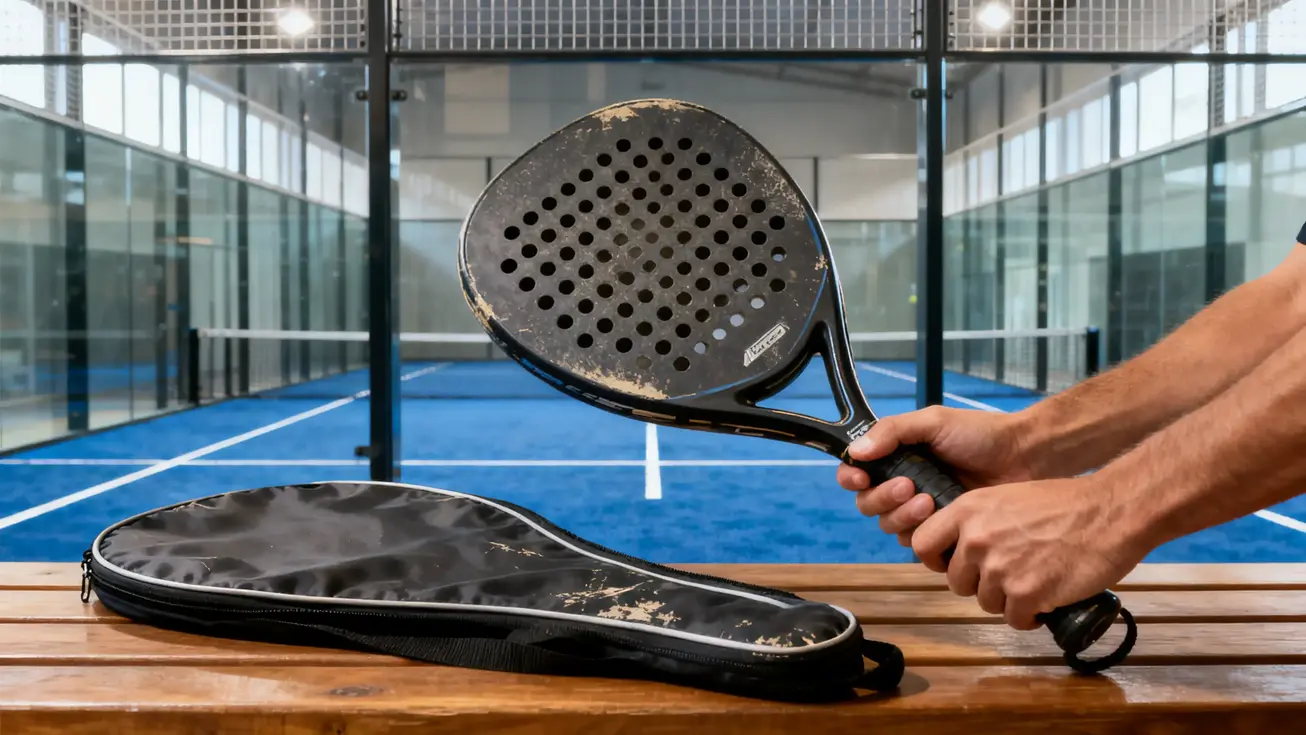
| Aceptable | Dos temporadas, desgaste cosmético visible, posiblemente faltan algunos protectores de borde | 20-35% |
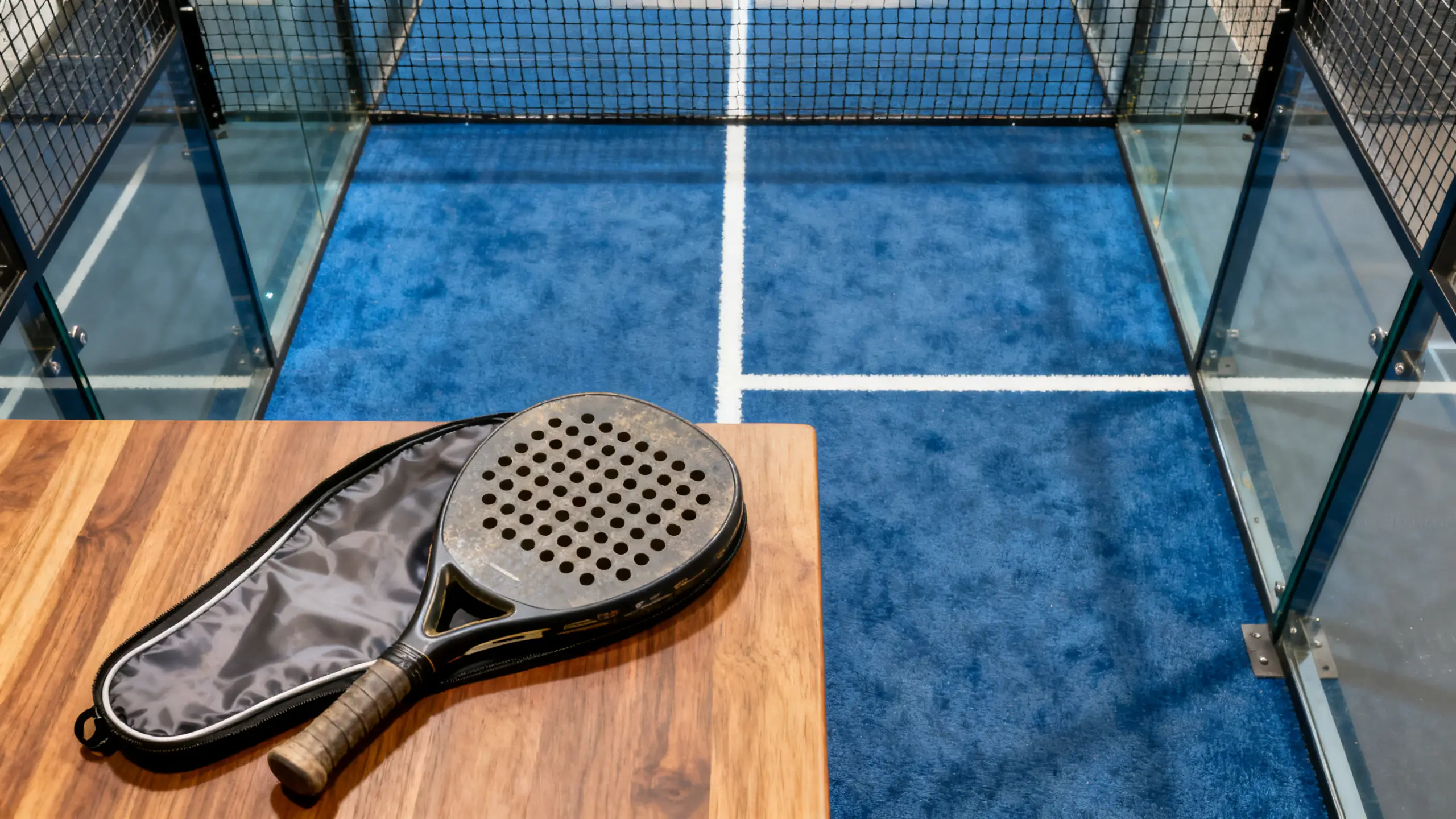
| Desgastado | Desgaste significativo de la superficie, daño en el borde, o una grieta comenzando a aparecer | Menos del 20% - considera venderla como piezas o donarla a un club |
Algunas cosas empujan una pala hacia la parte superior de su rango: la bolsa y caja originales, una marca conocida (Bullpadel, Head, NOX, Babolat), y una forma que se adapta a las tendencias de juego actuales (formas redondas para control, diamante para potencia). Algunas cosas bajan el precio: arañazos profundos en la cara de juego, un núcleo blando o deslaminnado, y anunciarla sin fotos.
Cómo escribir un anuncio que se vende rápidamente#
Fotografía la cara, la parte posterior, ambos bordes, y cualquier daño cosmético con luz natural. Un comprador que puede ver exactamente lo que obtiene pagará más y regateará menos que uno que tiene que preguntar.
Incluye: marca, nombre del modelo, forma (redonda/lágrima/diamante), peso si lo sabes, material del núcleo (EVA o espuma), material de la cara (carbono o fibra de vidrio), horas aproximadas de juego, y cualquier accesorio incluido. Indica el precio solicitado y si estás abierto a ofertas.
Evita: términos vagos como "apenas usado" sin contexto, fotos tomadas con poca luz, y anunciarla como una "raqueta de paddle" - en la comunidad de pádel del Reino Unido, esa fraseología indica falta de experiencia e invita a ofertas más bajas.
El consejo honesto antes de anunciar#
Si el marco tiene algún problema estructural - una grieta, un sonido hueco cuando golpeas la cara, o un área blanda en el núcleo - divúlgalo completamente y fija el precio en consecuencia. Vender una pala dañada sin divulgación es cómo terminas con una disputa en tus manos. Si el daño es significativo, puede genuinamente valer menos que el esfuerzo de venderla; algunos clubes aceptarán palas viejas para sesiones de principiantes.
Para todo lo demás, verifica la tarifa actual antes de comprometerte con un precio. Los compradores de pádel del Reino Unido son cada vez más informados, y un precio inicial realista casi siempre se venderá más rápido que uno optimista que se queda durante semanas.