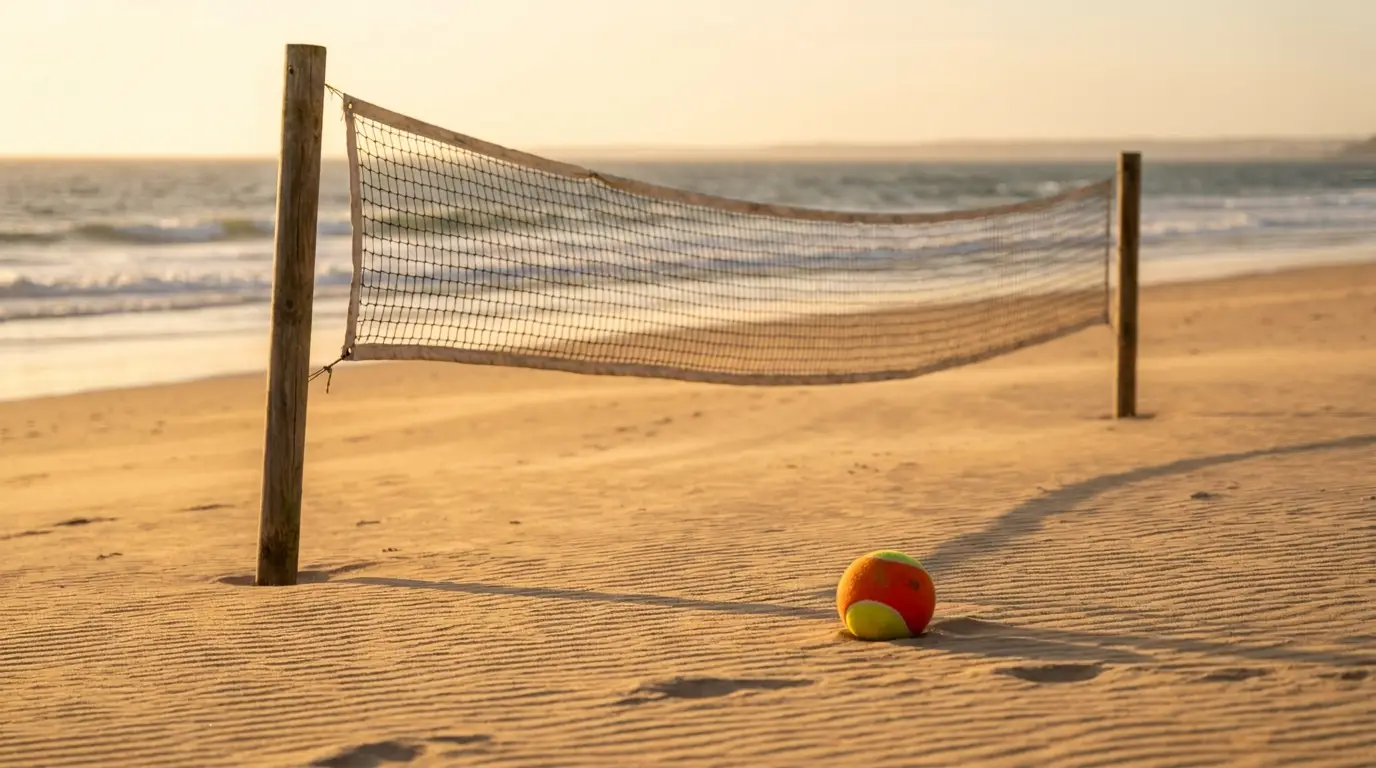
There is a particular kind of joy in playing racket sport barefoot. No squeaky shoes, no booking a glass box for an hour, no checking the forecast. Just a net on the sand, a soft ball, and someone shouting "mine" a half-second too late.
If you are in Lagos this summer and you have never tried it, beach padel is the lowest-effort way into a racket sport you will find. You can walk onto Meia Praia, borrow a paddle, and be having actual rallies inside ten minutes. Here is what it is, what you need, and where to go.
So what is "beach padel", really?#
Worth clearing this up first, because the names get muddled and players notice.
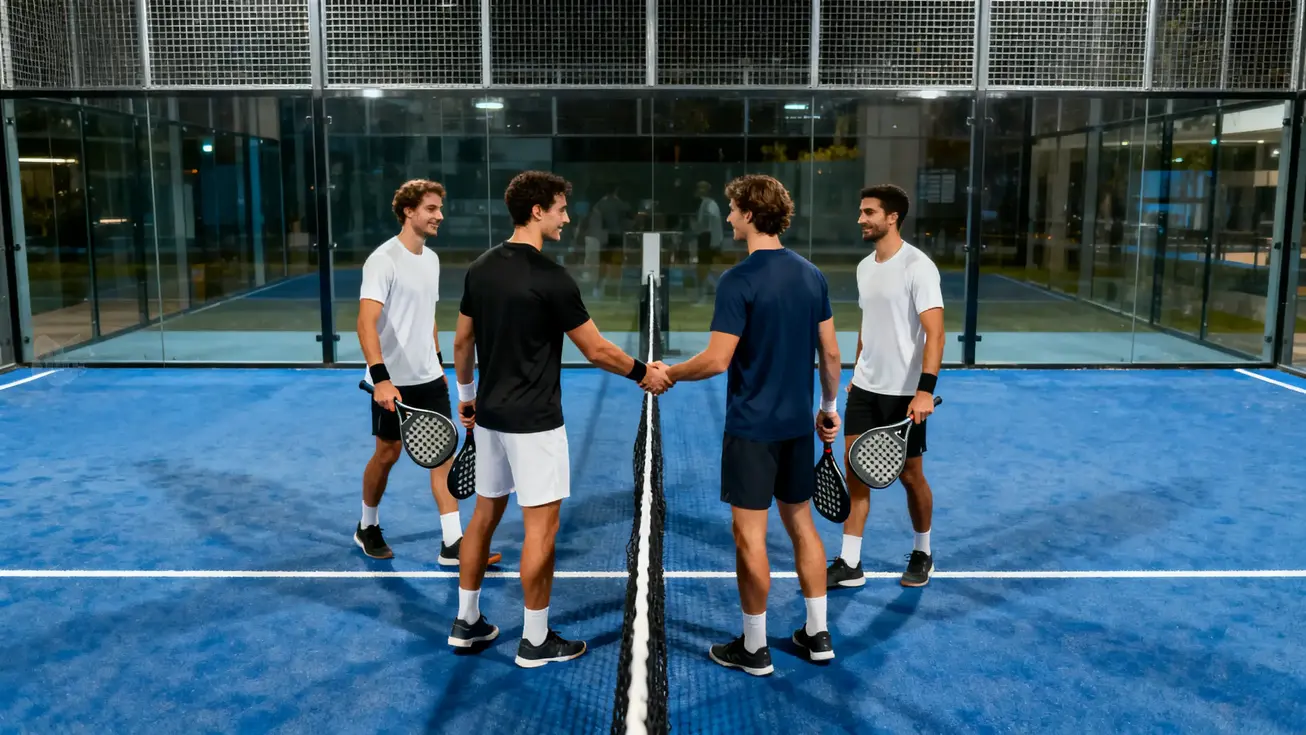
Proper padel is played in a 10x20m court with glass walls and a hard base. The walls are half the game. You cannot build that on a beach, so what you actually find on the sand is one of two things:
- Beach tennis. Played on a sand court the size of a beach volleyball pitch, with a net at roughly head height, solid stringless paddles, and a depressurised foam ball. There is no bounce, so it is all volleys. Fast, short points, very social.
- A casual sand-padel hybrid. Some bars set up a softer, looser version and call it beach padel. Same idea: a net, soft bats, a soft ball, bare feet.
Whatever the bar calls it on the sign, the experience is the same: you are volleying a soft ball over a net on sand with a paddle that has no strings. Padel rackets and beach tennis paddles are both stringless, but they are not the same tool, which matters the moment you decide you want your own (more on that below).
Why it is the best way into racket sport#
Beach padel forgives almost everything. The ball is slow, the court is small, and there are no walls to read, so a complete beginner can keep a rally going on their first morning. That is rare in racket sport, and it is exactly why it pulls people in.
It also works as crossover. Tennis players get hooked because the volley reflexes transfer. Padel players treat it as off-season touch practice. And plenty of people who start on the sand on holiday come home wanting to book a real padel court and, soon after, buy a frame of their own. That last part is where we come in.
The gear you actually need (almost none)#
For a holiday session, nothing. Most beach setups lend or rent the bats and balls, so turn up and play.
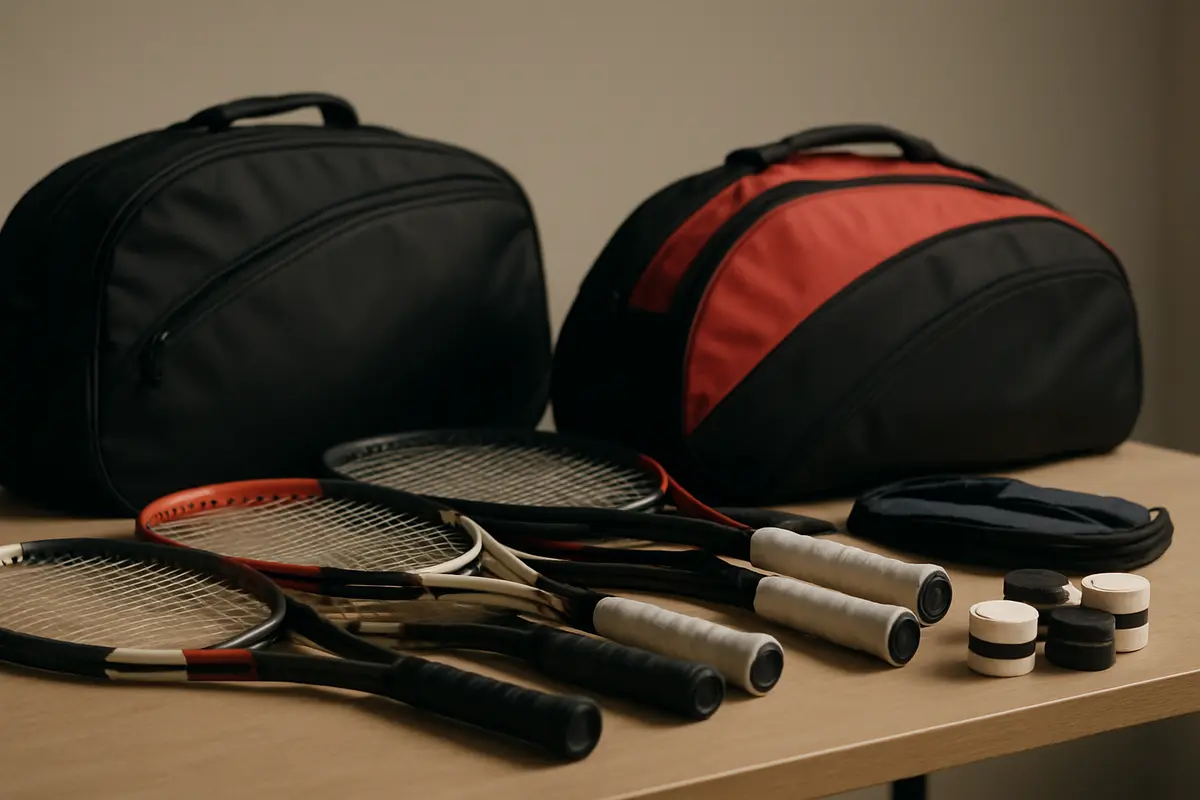
If you catch the bug and want your own, know what you are buying. A beach tennis paddle and a padel racket look similar and are both stringless, but they are built for different games.
| Feature | Beach tennis paddle | Padel racket | Tennis racket |
|---|---|---|---|
| Strings | None (solid EVA face) | None (EVA/foam core, carbon face) | Strung |
| Built for | Volleys on sand | The walled padel court | Groundstrokes, full swings |
| Weight feel | Light, flat, manoeuvrable | Heftier, shaped head | Heaviest, quoted unstrung |
| Good first buy? | Yes, cheap to start | Yes, if you will play indoors too | Only if you play tennis |
The honest advice: do not spend much to find out whether you like it. A pre-owned beach tennis paddle or an entry padel racket costs a fraction of new, and if the sand version turns into a proper padel habit you will want to upgrade anyway. Plenty of padel rackets under €100 on the marketplace do the job while you work out what you actually like.
What to bring to a beach session:
- Water and a hat. The Algarve sun is not gentle by 11am.
- Your own paddle if you have one. If not, ask at the bar first.
- Flat, dry feet. Sand plus sun cream is a recipe for blisters.
- Cash or card for court time and a drink after.
Where to play on Meia Praia: Bar Piratas#
Meia Praia is the long stretch of soft, flat sand running east from the Lagos marina, four kilometres of it, and the flatness is exactly what makes it good for a sand court. Pirata Beach Bar, which most locals just call Bar Piratas (@piratameia on Instagram), sits right on the sand and is where to head for a game.
What Pirata runs is beach tennis: the orange-and-yellow depressurised ball, solid paddles, a net at head height. It is one court, and a relaxed, unofficial one rather than a regulation club setup, which is rather the point. You are not booking a competition slot, you are having a knockabout on the beach. The best part is the price. It is free to play. You just buy a drink at the bar, which is no hardship when you have been running around on hot sand.
There is no booking and no app. It is walk-up only, with two simple conditions: there has to be enough daylight left, and it cannot be windy. Beach tennis and a sea breeze do not mix, the ball is too light and the game falls apart, so check the flags before you commit. If the air is still and the sun is up, grab a court.
Bring your own paddle if you have one. If you do not, ask at the bar before you assume, and worst case it is a good excuse to pick one up.
Make a morning of it#
Play early. The wind picks up across Meia Praia through the afternoon and the sand gets hot enough to hurt, so the best games are before midday. Get a couple of hours in, then do what the bar is actually there for and have a cold drink looking at the Atlantic.
That is the whole appeal of beach padel. It is racket sport stripped back to the fun part. If it turns into something more serious, you know where to find a padel racket worth keeping, and when you outgrow your first one, list it so someone else can start where you did.