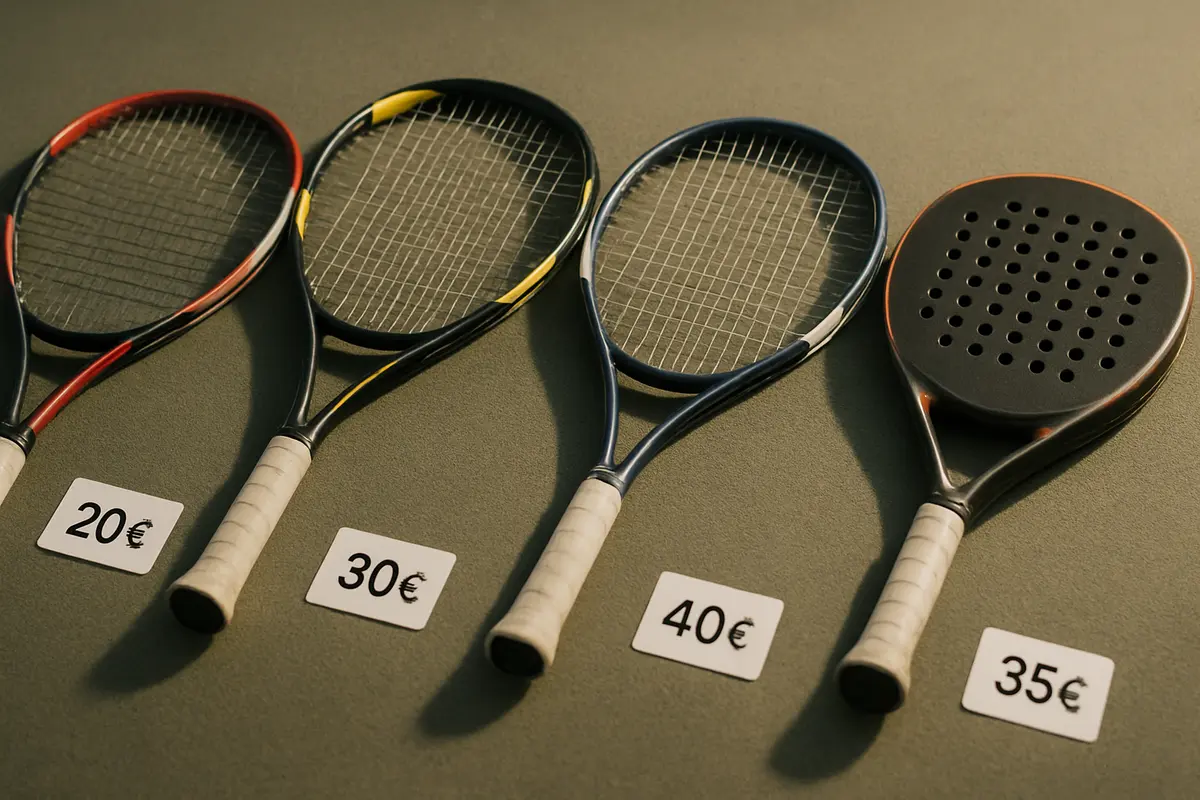
Most pre-owned rackets that fail to sell are not overpriced by a lot. They are overpriced by ten or fifteen euros, which is just enough to make a buyer choose the next listing instead. The frame is good, the photos are fine, and the seller is left wondering why nobody bit.
Pricing gear correctly is not about underselling yourself. It is about understanding what a buyer is actually comparing your listing against, and giving them a reason to stop scrolling. Get that right and pre-owned stops feeling like a compromise for the buyer and starts feeling like the obvious choice. That is better for everyone: you move gear you are no longer using, and another player gets a quality frame at a fair price.
Anchor to the current new price, not what you paid#
The first mistake I see constantly: sellers price relative to what they spent, not what the racket costs today. If you bought a frame two years ago for EUR 220 and it now retails for EUR 180 (common after a model refresh), anchoring to your purchase price makes your listing look expensive before a buyer has even read the condition notes.
Start every pricing decision by looking up the current new price from a mainstream retailer. That is your ceiling. A buyer who is even slightly unsure about condition will pay the extra margin for new with a return policy, so your pre-owned price needs to be clearly below that ceiling, not just technically below it.
One more thing worth checking: if the model has been discontinued, the new price may no longer be available. In that case, look at what comparable pre-owned listings are actually selling for. Completed sales beat asking prices as a reference every time.
Apply a condition band, not a feeling#
Once you have the new price, apply a discount based on condition. The table below is the framework I use. It is not scientific, but it is consistent, and consistency is what builds trust with buyers.
| Condition | Description | Suggested discount from current new price |
|---|---|---|
| Mint / barely used | Fewer than 5 hours of play, no cosmetic marks, original grip intact | 15 to 25% |
| Excellent | Light cosmetic wear, grip replaced once, no structural issues | 25 to 35% |
| Good | Visible scuffs or paint chips, grip replaced, plays perfectly | 35 to 50% |
| Fair | Noticeable wear, possible minor frame dings, fully playable | 50 to 65% |
| Spares / repair | Cracked frame, damaged hitting surface (padel), for parts only | Price individually, be honest |
A few notes on using this honestly. "Mint" means mint. If you have played with it outdoors, it is not mint. Buyers who receive a frame graded higher than it deserves leave bad feedback and ask for partial refunds. The discount bands above already account for the fact that pre-owned gear carries some uncertainty for the buyer. Do not fight the discount; it is doing the work of making your listing competitive.
For tennis rackets, be specific about string condition if the frame is still strung. A fresh string job at a known tension adds value. Strings that are two years old and visibly worn subtract from it, and pretending otherwise will come back to you.
Factor in demand for the specific model#
Condition gets you to a fair price. Demand tells you whether you can hold the top of your band or need to sit at the bottom of it.
High-demand models, typically current or recently discontinued frames from Wilson, Babolat, Head, or the leading padel brands, can sit at the upper end of their condition band because buyers are actively searching for them. A Wilson Blade 98 v8 in excellent condition can hold 30% off new because there is a queue of players who want exactly that frame. A niche model from a smaller brand in the same condition might need to go to 40% off to generate the same interest, simply because fewer people are searching for it.
I check two things to gauge demand: how many active listings exist for the same model (more supply means you need a sharper price), and whether the model appears in recent search trends or forum discussions. If players are still talking about it, demand is alive. If the conversation has moved on, price accordingly.
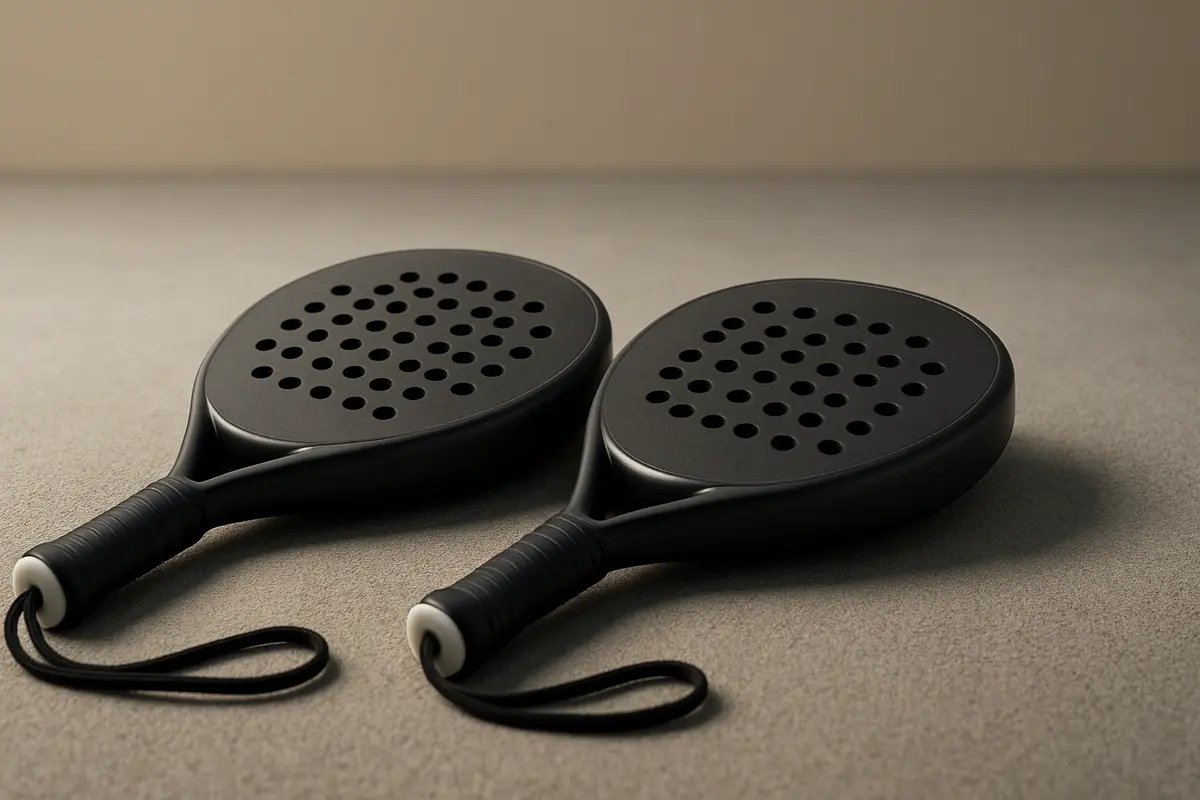
This is also where padel rackets need a specific note. Padel gear moves fast. A round-shape control frame that was the go-to recommendation eighteen months ago may have been superseded by two newer models. The perforated hitting surface and EVA core do not degrade the way strings do, but an older shape or flex profile can feel dated to an intermediate player who has been following the market. Price to reflect where the model sits in the current conversation, not where it sat at launch.
The cracked-ego premium#
Here is the one that nobody likes to hear. Gear you loved, gear that helped you win matches, gear you bonded with over three seasons: you will want to price it higher than the framework says. I have done it myself. The instinct is completely understandable and completely wrong.
A buyer has never played with your racket. They do not know it helped you hit the best backhand of your life at that club tournament in Porto. They see a frame, a condition grade, and a price. If the price sits above what the condition and demand data support, they move on. The sentimental value is real to you and invisible to them.
The fix is simple: run the framework first, arrive at a number, and then ask yourself whether you are about to add ten euros because of feelings. If yes, do not. List at the framework price. If the frame genuinely deserves a premium because it is rare, in exceptional condition, or currently hard to find new, the data will show that without you needing to override it.
If you are finding it hard to let go at a fair price, that is useful information. Either keep the frame, or accept that selling it means selling it at market value.
When to drop the price#
If a listing has had reasonable views but no enquiries after ten to fourteen days, the price is the problem. Not the photos, not the description. The price. Drop by 8 to 10% and see what happens. If it has had no views at all, the issue is discoverability first, then price.
The longer a listing sits, the more a buyer wonders why nobody else bought it. A quick, confident price drop is better than a slow drift downward over two months. It signals that you know what you are doing, not that you are reluctantly accepting reality.
For more on writing a listing that converts once the price is right, the selling used rackets tips post covers photos, descriptions, and what buyers actually want to know before they message.
What to do now#
If you have a frame sitting in a bag that you have not picked up in six months, the framework above takes about ten minutes to run. Look up the current new price, pick your condition band honestly, check how many similar listings are active, and set the number.
You can list your pre-owned racket on EpicRackets in a few minutes. The marketplace is built for players who want to move gear to other players without the noise of general classifieds. If you are on the buying side and want to see what is currently available, pre-owned tennis rackets and padel frames are both worth a browse before you pay full new price for something that a player near you has already broken in perfectly.
Good gear should be in play. Price it right and it will be.