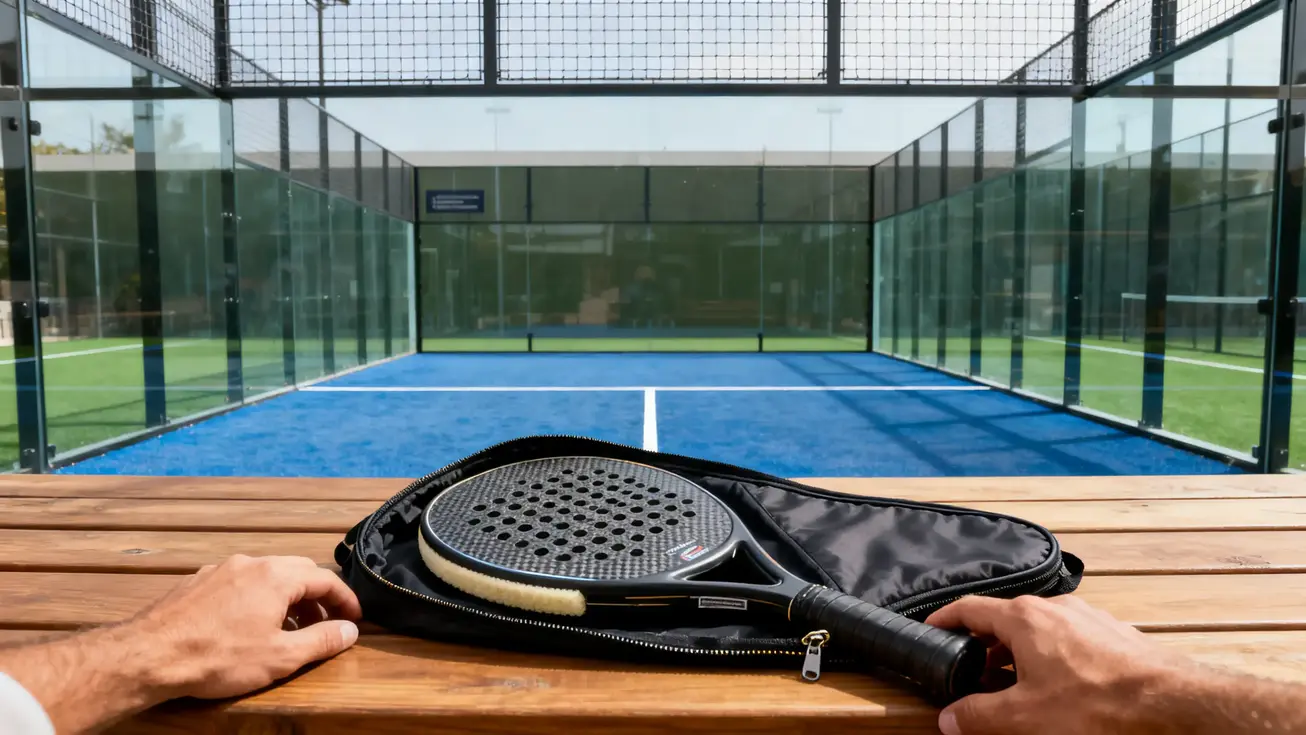
A decent padel racket costs anywhere from £150 to £400 new. A top-of-the-range model from Bullpadel, Babolat or Head can push £500 or beyond. If you have just picked up the sport and felt the sting at the till, you are not imagining it - padel rackets really are expensive relative to what a beginner expects to pay. The short answer is that the materials involved are genuinely costly, production volumes are still modest, and the sport's rapid growth has not yet driven prices down the way mass-market tennis has. The good news is that depreciation is real and the pre-owned market lets you access serious kit at a significant discount.
What actually goes into the price#
Padel rackets have no strings. Instead they are a sealed frame - typically carbon fibre or fibreglass face layers bonded around a foam core, usually EVA (ethylene-vinyl acetate) or a higher-density variant sometimes marketed under proprietary names. That construction is nothing like injection-moulded plastic; it is closer to how composite bicycle frames or motorsport components are made.
Carbon fibre face layers are the single biggest cost driver at the upper end. Raw carbon fibre fabric is expensive, layering it by hand or with precision automated processes adds labour, and the curing process requires controlled-temperature ovens. A racket with a full 3K or 12K carbon face costs significantly more to produce than one with a fibreglass face - which is why entry-level rackets use fibreglass or a carbon/fibreglass hybrid and top-level rackets go full carbon.
EVA foam density and formulation also varies enormously. Softer EVA (around 35-45 Shore hardness) suits beginners and players with arm sensitivity; harder, denser foam or polyethylene alternatives deliver more power and pop at the cost of vibration. Proprietary foam blends cost more to develop and source.
Production scale matters too. Global padel racket production is still a fraction of tennis racket output. Smaller runs mean less negotiating power with material suppliers and higher per-unit tooling costs. Spanish and Argentine manufacturers - where most serious padel brands originate - also carry higher labour costs than the factories that produce budget sports goods at scale in Asia.
Finally, brand and technology licensing add a layer. The padel racket market is still partly driven by pro-player associations and boutique performance claims, which commands a premium in ways a mainstream sport with more price competition does not.
How much value a padel racket loses - and when#
Because new prices are high, second-hand padel rackets hold their value reasonably well in percentage terms, but they still drop substantially in absolute pounds. A racket that retails at £300 new will typically sell used for £90-£180 depending on condition, age and whether the current model year's version is still in shops.
The table below gives a practical guide to what you can realistically expect to pay - or receive - on the pre-owned market in 2026. These are approximate market-rate ranges based on observed listings across European platforms.
| Condition | Description | Typical resale price (% of RRP) | Example on a £300 racket |
|---|---|---|---|
| Like new / unused | Still in bag, no marks, maybe tested once | 55-65% | £165-195 |
| Excellent used | Light surface marks only, no frame damage | 45-55% | £135-165 |
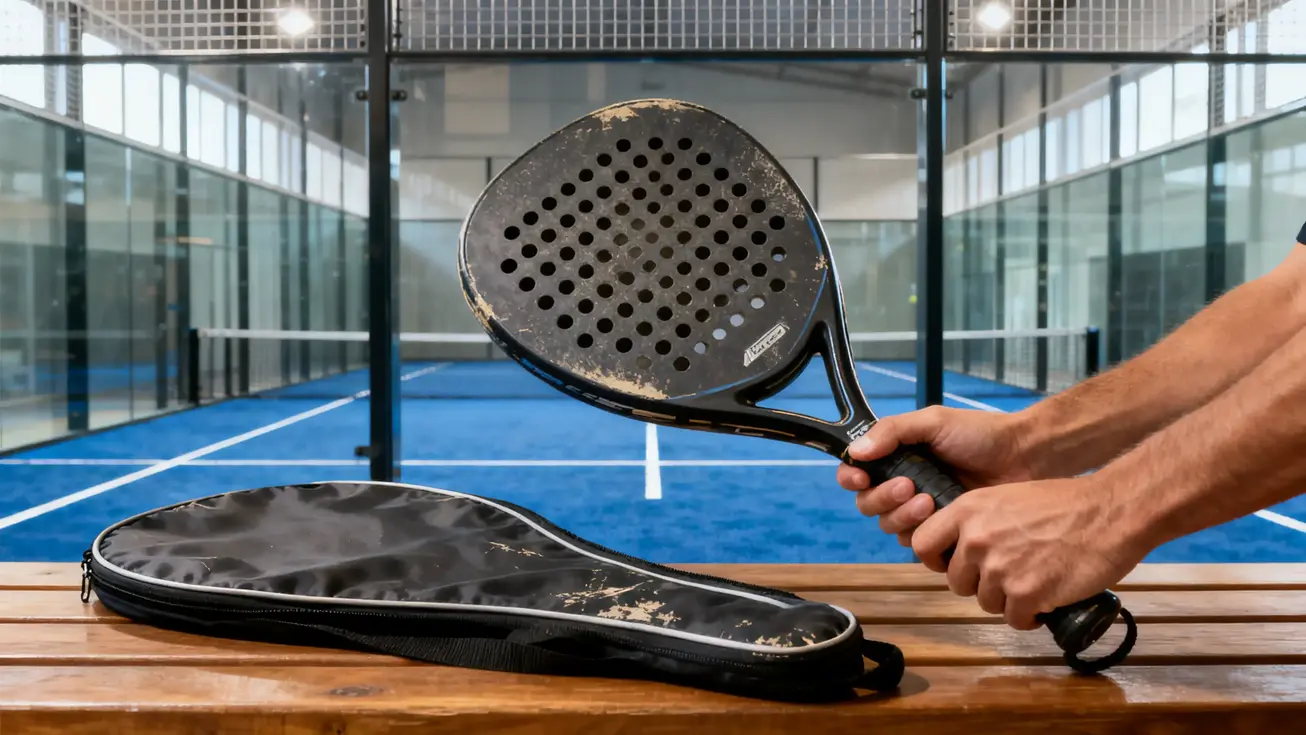
| Good used | Visible scratches, small edge wear, fully playable | 30-45% | £90-135 |
| Fair | Noticeable wear, grip replaced, minor dents | 20-30% | £60-90 |
| Poor / spares | Cracked frame, delamination, cosmetic damage | Under 20% | Under £60 |
Entry-level rackets (RRP £60-£120) lose proportionally more because the absolute numbers are small and buyers prefer to buy new at that price point. Mid-range (£150-£250 RRP) is where the used market is most active and prices hold best.
What actually moves a used racket up or down in price#
Beyond condition, a few factors shift the number meaningfully:
- Current-season model or one generation old - if the same racket is still on shop shelves, buyers compare directly and your price gets squeezed. A model that is two or more seasons old has no new-price anchor.
- Shape and level - round-shape rackets (more forgiving, beginner-to-intermediate) sell faster because that is where most buyers sit. Diamond-shape (power, advanced) has a narrower audience.
- Face material - full carbon face rackets from known brands retain value better than fibreglass equivalents at the same RRP.
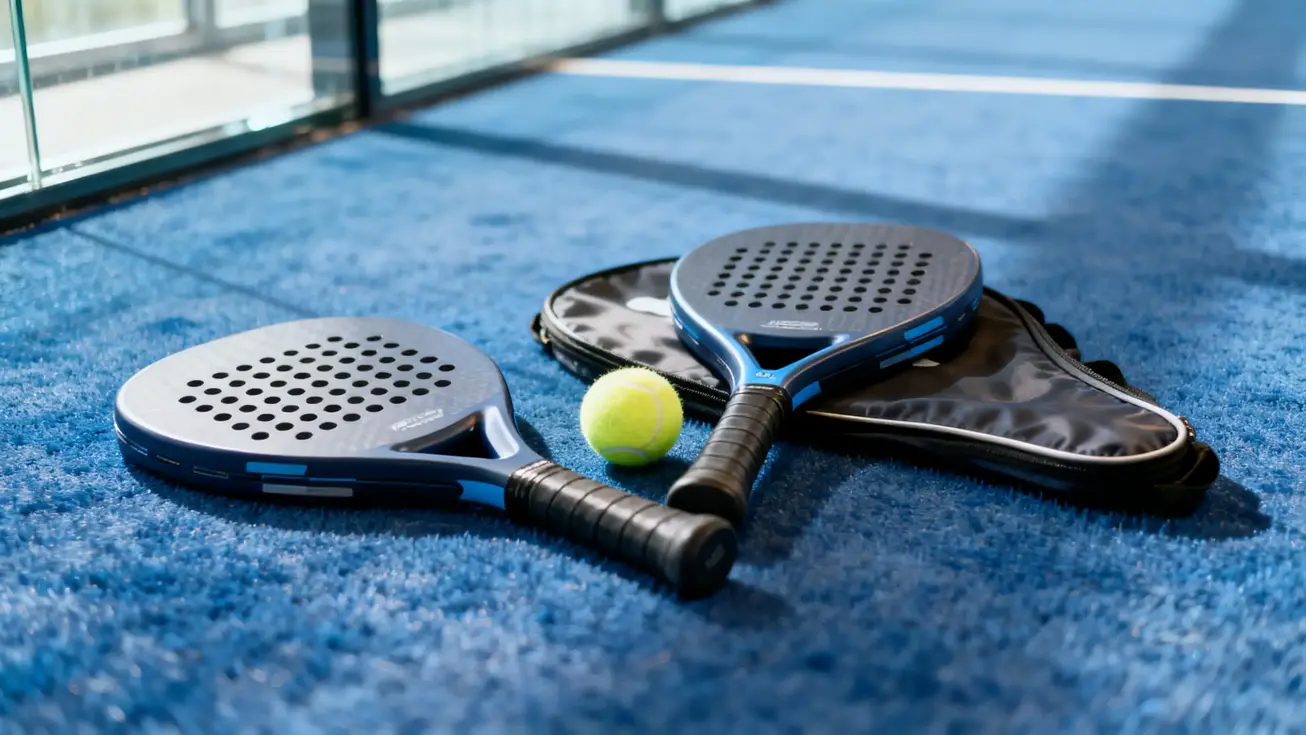
- Original bag and accessories - a racket sold with its original protective bag genuinely adds £10-20 to what buyers will pay. Keep it.
- Grip condition - a tired overgrip is cheap to replace, but sellers who replace it before listing do get better results.
Getting the price right when you sell#
The most common mistake sellers make is pricing from the RRP they paid rather than from current market comps. Search for the same model in similar condition on pre-owned platforms, take the middle of what you find, and list at or just above that - you can always accept a reasonable offer.
If you want a straightforward valuation without the research, list your racket on EpicRackets and get a sense of realistic market pricing fast. For buyers, browsing the padel listings is a practical way to see what condition-to-price actually looks like across current stock.
Padel rackets are expensive because the materials and manufacturing genuinely cost money. But that also means a well-maintained used racket represents real value - both for the seller who wants a fair return, and the buyer who wants proper kit without the full new price.