The short answer: a used tennis racket in good condition typically sells for 30–50% of its original retail price, and the right venue depends on whether you want speed, maximum return, or the least hassle. Read on for the detail.
What actually determines what your racket is worth#
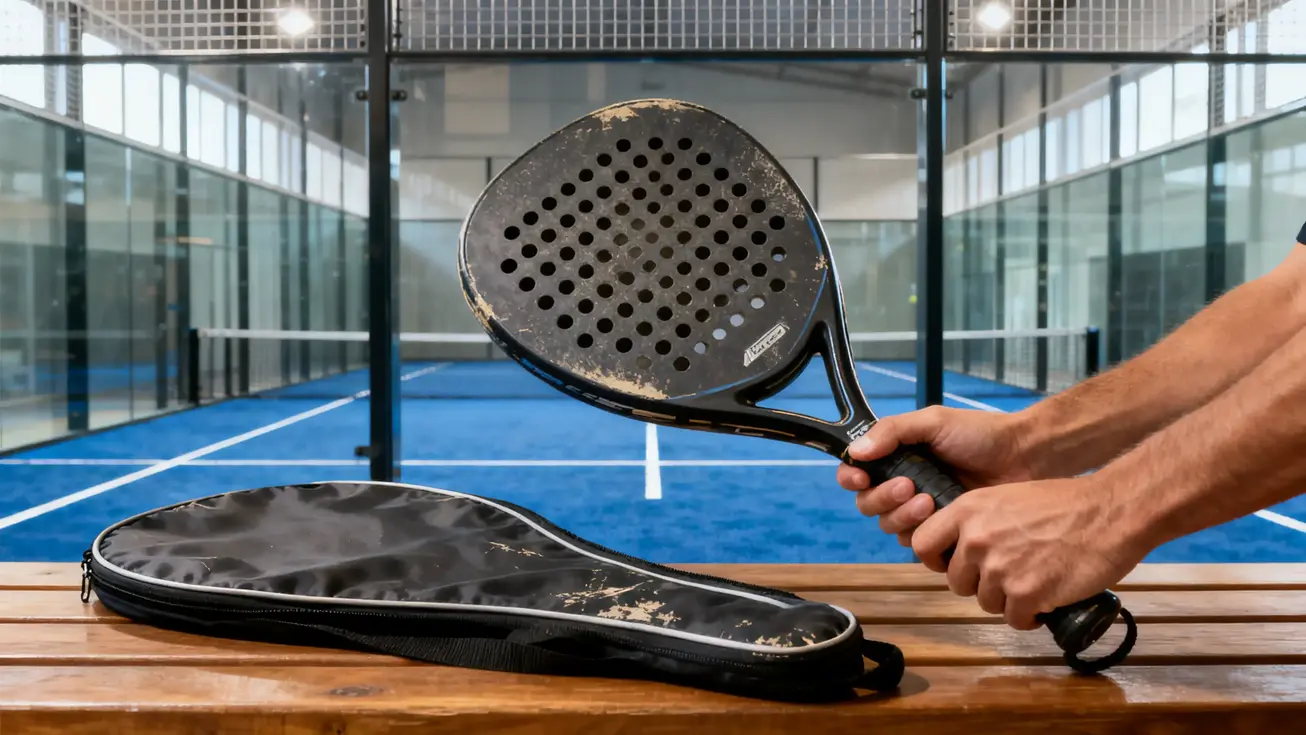
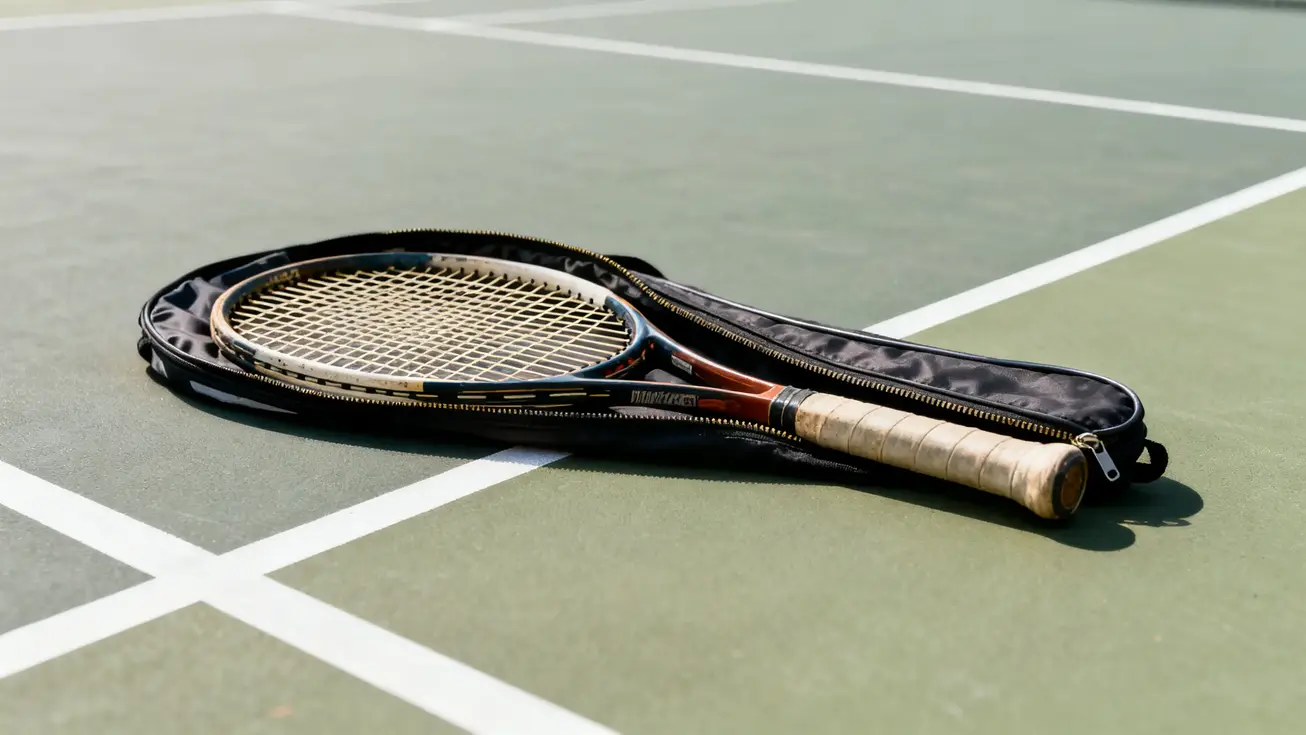
Condition is the single biggest lever. A frame that has been restrung regularly, kept in a bag and has no hairline cracks will fetch noticeably more than one with grip tape wrapped over grip tape and paint chips around the hoop. Beyond condition, three other things matter:
Brand and model recognition. Wilson, Babolat, Head and Yonex frames hold value better than lesser-known brands because buyers can research them easily. A Wilson Blade or a Babolat Pure Drive has a long, well-documented history, which makes buyers more comfortable spending money on a second-hand version.
Age. Two or three generations back is fine for most buyers; anything older than five or six years starts to attract only collectors or players who specifically want that frame. Carbon fibre does not degrade quickly in storage, but older head sizes and balance points may simply not suit modern play styles.
Stringing. If the strings are still playable, that adds a small amount of value. If they are dead or broken, say so and price accordingly. Never claim strings are fresh unless they genuinely are.
Rough price tiers by condition#
Use these as starting points, not firm rules. A rare or collector frame can exceed these ranges; a beaten-up no-name frame will fall short.
| Condition | What it means | Typical resale vs. original RRP |
|---|---|---|
| Mint / like new | Used a handful of times, no cosmetic damage, original strings or recently restrung | 50–65% |
| Good | Regular use, minor cosmetic marks, strings intact and playable | 30–50% |
| Fair | Visible wear, paint chips, grip replaced at least once, strings may be past their best | 15–30% |
| Poor / for parts | Cracks, heavy damage, broken strings, grip completely worn | Under 15%, or not worth listing |
If you are unsure where your racket sits, get an estimate on the EpicRackets valuation tool before you commit to a price.
Where to sell it#
Specialist pre-owned marketplaces (like EpicRackets) are the best starting point for most sellers. The audience is already looking for used rackets, which means less time answering basic questions from people who have never bought second-hand sports gear before. Listings are sport-specific, so your frame appears in front of tennis players rather than general bargain hunters. The trade-off is a small commission or listing fee on most platforms.
General classified sites (Facebook Marketplace, Vinted, eBay, OLX in Portugal and Spain) reach more eyeballs in absolute terms, but you will spend more time fielding low-ball offers and no-shows. They work well for budget frames where price is the only selling point. For anything over roughly €80 retail value, a specialist audience is usually worth it.
Local tennis clubs and coaches. Pinning a note on the club board or messaging your coach costs nothing and converts quickly because the buyer can inspect the racket in person. You will likely price slightly lower to reflect the convenience, but there are no fees and no shipping to arrange.
Stringing shops. Some independent stringing and racket shops take second-hand frames on consignment or will buy them outright at a wholesale price. The payout is lower, but it is instant and requires zero effort on your part.
How to write a listing that actually sells#
Keep it factual. Buyers want the model name, head size, weight (unstrung), grip size, string bed condition and a clear description of any cosmetic damage. Photographs matter more than words: shoot the face, the throat, both sides of the hoop and the grip in natural light. If there is a crack or a chip, photograph it clearly. Sellers who hide damage get disputes and bad reviews; sellers who disclose it build trust and close sales faster.
Set a price about 5–10% above your floor so there is room to negotiate without going below what you will accept. Most buyers expect a small amount of flexibility.
Finally, be honest about the stringing. Strings that have been in the frame for three years of weekly play are not playable strings in any meaningful sense, even if they have not broken. A buyer who restrings on day one will remember that you over-sold the frame.
Ready to sell? List your used tennis racket on EpicRackets where buyers across Portugal, Spain and the rest of Europe are actively searching. Not sure what to ask? The racket valuation tool gives you a realistic range before you commit to a price.