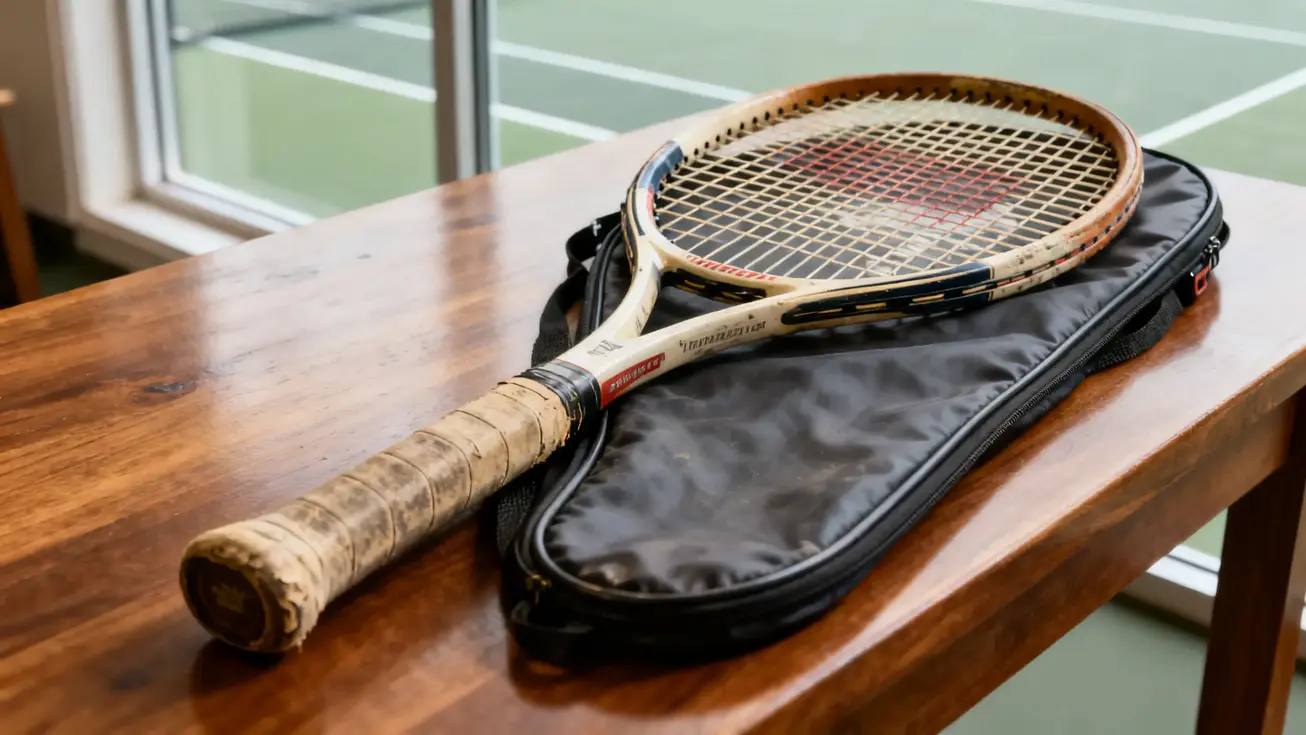
If you have got a tennis racket sitting in the corner of a room collecting dust, you have a few options: list it yourself, hand it to a local shop, or use a pre-owned marketplace. Each route pays out differently, and the choice between cash and store credit can cost you 20 to 40 per cent of the racket's value if you pick the wrong one. Here is a straightforward breakdown.
What a trade-in actually means (and what it is not)#
A trade-in is when a retailer accepts your old racket and gives you something back in return, either money off your next purchase (store credit) or, in rare cases, actual cash. It is not the same as consignment, where the shop sells the racket on your behalf and pays you after. Trade-ins are instant but almost always pay less than the open market, because the shop needs a margin to resell.
Most high-street sports retailers in the UK do not run formal tennis racket trade-in programmes the way phone or games shops do. You will occasionally find a local independent that takes gear in part-exchange, but it is informal and entirely down to the manager's appetite on the day. Chain retailers like Sports Direct or Decathlon do not offer trade-ins at all. So if you are searching for a "tennis racket trade-in near me" expecting a counter you can walk up to, you will find the options thin.
Cash versus store credit: which pays better#
When a shop does offer a trade-in, they will nearly always pay more in store credit than in cash. That is not generosity; it is because they know you will spend the credit with them, so they can afford to be slightly more liberal with the number.
| Racket condition | Likely cash trade-in value | Likely store credit value | Open-market resale estimate |
|---|---|---|---|
| Like new (barely used, original strings) | 30-40% of original RRP | 40-55% of original RRP | 55-70% of original RRP |
| Good (normal play wear, re-strung once or twice) | 15-25% of original RRP | 25-35% of original RRP | 35-55% of original RRP |
| Fair (visible cosmetic damage, grip worn) | 5-15% of original RRP | 10-20% of original RRP | 20-35% of original RRP |
| Poor (cracked frame, broken grommets) | Often declined | Often declined | Spares or project only |
These are estimates based on general used-goods market patterns, not guarantees. Premium frames from Wilson, Babolat, Head or Yonex hold value better than budget models because there is genuine demand for them second-hand. A Head Prestige or Wilson Blade in good nick will sit at the upper end of those ranges; a no-name beginner racket will sit at the lower.
Store credit sounds attractive, particularly if you are already planning to buy a replacement, but think carefully before accepting it. You are locking yourself into spending at that one retailer, and the credit rarely carries over if you change your mind. If you are not certain about your next purchase, cash or an open-market sale is almost always the smarter move.
Where to actually trade in or sell a tennis racket in the UK#
Local independent tennis shops. These are your best bet for an in-person trade-in. Staff are knowledgeable, they know what will sell, and some will do part-exchange deals on the spot. Ring ahead, because most do not advertise this publicly.
Facebook Marketplace and eBay. For outright selling rather than trading in, these are the highest-return channels for most rackets. eBay in particular has an active used tennis racket category. The trade-off is time, photography, packaging and dealing with buyers. Expect to take a week or two to sell.
Pre-owned racket marketplaces. Specialist platforms focused on racket sports cut out the generalist noise and reach buyers who are actually looking for gear. At EpicRackets, you can list your racket to sell directly to other players across Europe, without the faff of a full eBay auction or the haircut of a trade-in deal. If you want a quick sense of what your frame is worth before deciding, the racket valuation tool is a good starting point.
Charity donation. If the racket is old or low-value, some tennis clubs and charities will take it for junior programmes. No return, but a clean conscience and a clear cupboard.
How to get the most from your racket before trading#
Condition dictates value more than age. A ten-year-old frame that has been stored properly and barely played is worth more than a two-year-old one left in a hot car boot. Before you list or hand over your racket:
- Clean the frame with a damp cloth. Grip tape and dried clay drop the perceived value fast.
- Re-grip if the existing grip is peeling or compressed flat. A fresh overgrip costs almost nothing and photographs much better.
- Note the string tension and when it was last strung. Buyers and shop staff will ask.
- Check for hairline cracks around the throat or head, especially if the frame has been in a bag with other rackets. Cracks mean the frame is unsafe to play with and drastically reduce value.
- Gather the original bag or cover if you still have it. Completeness adds credibility.
If you are on the fence between trading in and selling direct, the honest answer is this: trade-ins are convenient but cheap. If your racket is worth over £80 on the open market, the difference between a trade-in and a private or marketplace sale is likely worth the extra effort. Below that, the time cost of listing, photographing and posting starts to eat into the advantage.
You can list your racket on EpicRackets in a few minutes and reach buyers across Portugal, Spain and the wider European market who are specifically looking for second-hand tennis gear. No auction format, no pressure to accept a low counter-offer.