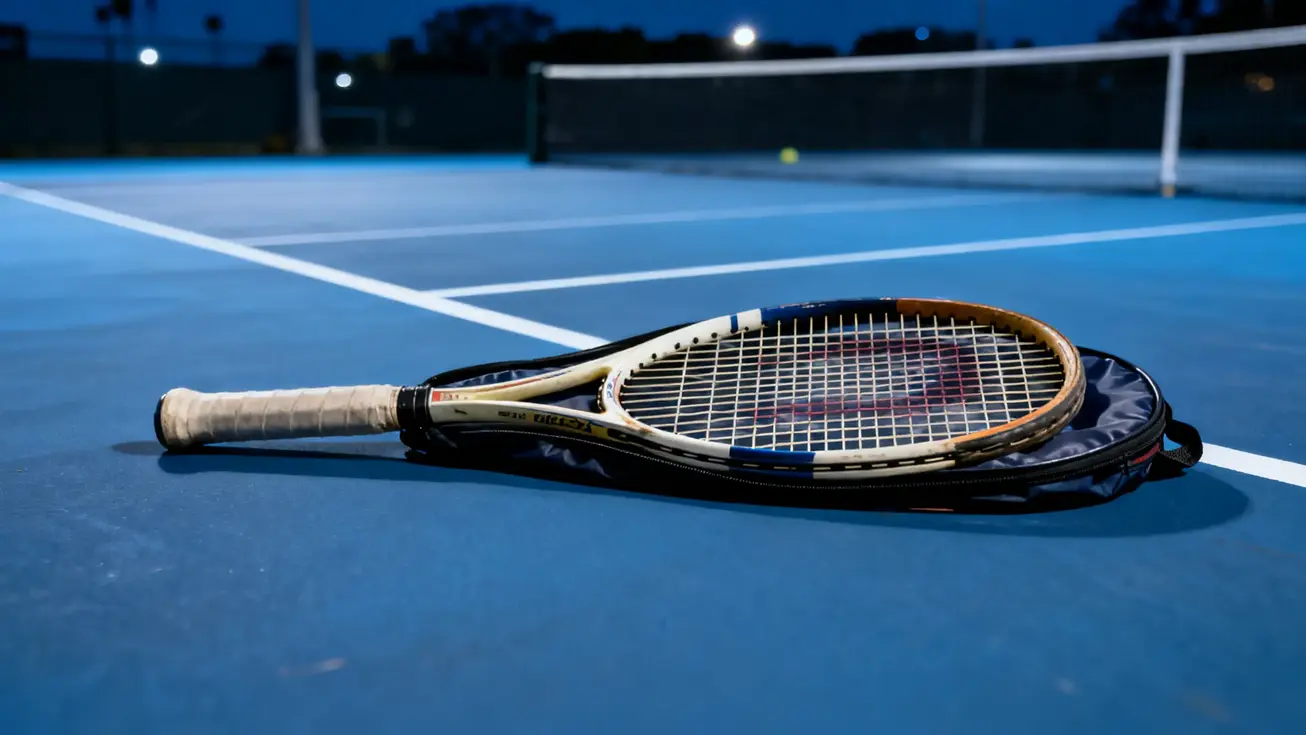
The short answer: most used tennis rackets sell for between 20% and 50% of their original retail price, depending on condition, brand and how recently the model was released. A current-generation Wilson or Babolat in near-mint shape might fetch closer to half its retail value; a three-year-old mid-range frame in average condition is more likely to land at a quarter. Get a quick estimate before you list at /racket-value, then read on for the fuller picture.
What actually affects the price#
Four things move the needle more than anything else:
Model and generation. Buyers on the used market are largely chasing the same frames they see reviewed online. A current Wilson Blade, Head Gravity or Babolat Pure Drive sells faster and at a higher percentage of retail than a discontinued predecessor, even if the older one is physically identical in most ways. If your racket is more than two generations back, expect the lower end of the range.
Condition. This is where most sellers either undersell or overprice. Be honest with yourself: cosmetic scuffs on the frame do not affect playability and buyers expect them; a cracked frame or a dead string bed are a different matter. Grommets that are cracking, a worn grip down to the bare handle, or a frame that has been restrung so many times the string holes are visibly worn will all pull the price down.
Stringing. A racket with a fresh, playable string job at a sensible tension is worth slightly more than one with a dead bed. If the strings are more than 12 months old or snapped, say so in the listing. Buyers factor in a restring cost of roughly £10-25 depending on string and stringer.
Weight and spec. Tennis rackets are quoted unstrung. Buyers care about the static weight, balance point and head size. Include these in your listing; if you do not know them, check the manufacturer's spec sheet or weigh the frame on kitchen scales. Missing information makes buyers nervous and slows a sale.
Rough price tiers by condition#
| Condition | What it means | Expected resale (% of original RRP) |
|---|---|---|
| Like new | Barely played, no marks, original strings or restrung once | 40–55% |
| Very good | Light cosmetic wear, plays perfectly, solid string bed | 30–40% |
| Good | Visible frame scuffs, grip worn but functional, strings serviceable | 20–30% |
| Fair | Heavy wear, dead strings, grommets cracking | 10–20% |
| Vintage / collectible | Pre-1990 wooden or aluminium frames, signed or tour-used | Auction dependent |
For context, one US sports shop recently listed used tennis rackets at around $25 each for bulk club-condition frames and sold most of thirteen within four days. At the other end, signed or match-used professional equipment goes to specialist auction houses and can command multiples of any retail price. Most everyday sellers are somewhere in the middle.
Where to sell: the main channels compared#
Specialist pre-owned marketplaces (such as EpicRackets) attract buyers who already know what they want. They are not browsing a general classifieds site and stumbling across your listing; they are searching for a specific frame. That means faster sales and less time fielding questions from people who do not understand what a 305g unstrung, 12pt HL balance means. You also get a structured listing format that prompts you to include the right specs. List your frame here and reach players across Portugal, Spain and the wider European market.
General classifieds (Facebook Marketplace, Vinted, local groups) are fine for lower-value frames where you want to move something quickly without worrying about shipping. Expect more lowball offers and more no-shows for collection. These work best for frames under £30 where posting would eat most of the margin.
eBay gives you reach and buyer protection, but fees (typically 12-13% of the sale price) and postage costs eat into your return. It is worth it for higher-value frames where the extra reach justifies the cost. Always include detailed photos and the full spec.
Part-exchange at a tennis shop is the most convenient option and usually the worst financially. Shops need to make margin on the resale, so expect to receive 10-20% of retail, often as store credit rather than cash. If convenience matters more than return, it is a valid choice.
How to write a listing that actually sells#
These are the details buyers need, in roughly this order:
- Brand, model name and year (e.g. Head Speed MP 2022)
- Weight unstrung (grams)
- Head size (sq in or sq cm)
- Balance point and grip size
- String and tension, or state "unstrung"
- Condition description, honest about any cosmetic damage
- At least four photos: full frame front, full frame back, throat close-up, grip close-up
- Whether you will post or collection only, and who pays postage
A listing that covers all of these will sell faster and attract fewer time-wasting questions than a vague one with a single photo.
Not sure what your specific frame is worth right now? Use the /racket-value tool to get a market-based estimate before you decide where and how to list it.