Selling a used tennis racket does not have to be complicated, and you can usually do better than you expect. The short answer: list it on a specialist pre-owned marketplace first, price it at 40–60% of its original retail for good condition, and give buyers the details they actually need (string type, tension, hours of use, any cosmetic damage). Everything below explains how to do that properly.
What is a used tennis racket actually worth?#
Condition and brand carry far more weight than age alone. A Head Gravity or Wilson Blade that is two years old but barely used can still fetch a solid price; a snapped-string, paint-chipped racket from the same range is worth a fraction of that.
As a working rule of thumb, here is what you can realistically expect:
| Condition | Description | Expected resale (% of original RRP) |
|---|---|---|
| Like new / demo | Unstrung or strung once, no visible wear | 55–70% |
| Excellent | Light grip wear, strings intact, no chips | 40–55% |
| Good | Moderate grip and frame wear, playable strings | 25–40% |
| Fair | Visible chips or scratches, strings may be dead | 10–25% |
| Poor / damaged | Cracked frame, snapped strings, heavy cosmetic damage | Parts value only, or recycle |
Note that tennis racket weights are always quoted unstrung in specs, so when you list yours, mention the strung weight separately if you know it - buyers appreciate the honesty.
Beyond condition, the following push the price up or pull it down:
- Brand and model tier. Rackets from the performance tiers of Babolat, Wilson, Head, Yonex and Tecnifibre hold value better than budget-range or unbranded frames.
- Current string job. Fresh strings from a reputable gut or co-poly string add value. Dead strings that have lost tension for six months do the opposite.
- Head size and weight. Mainstream head sizes (98–100 sq in) sell faster than very small (85 sq in) or very large (115+ sq in) heads, simply because the audience is bigger.
- Age of the model. A frame discontinued more than five years ago will sell slower unless it has collector appeal (classic Wilson Pro Staff models, for example).
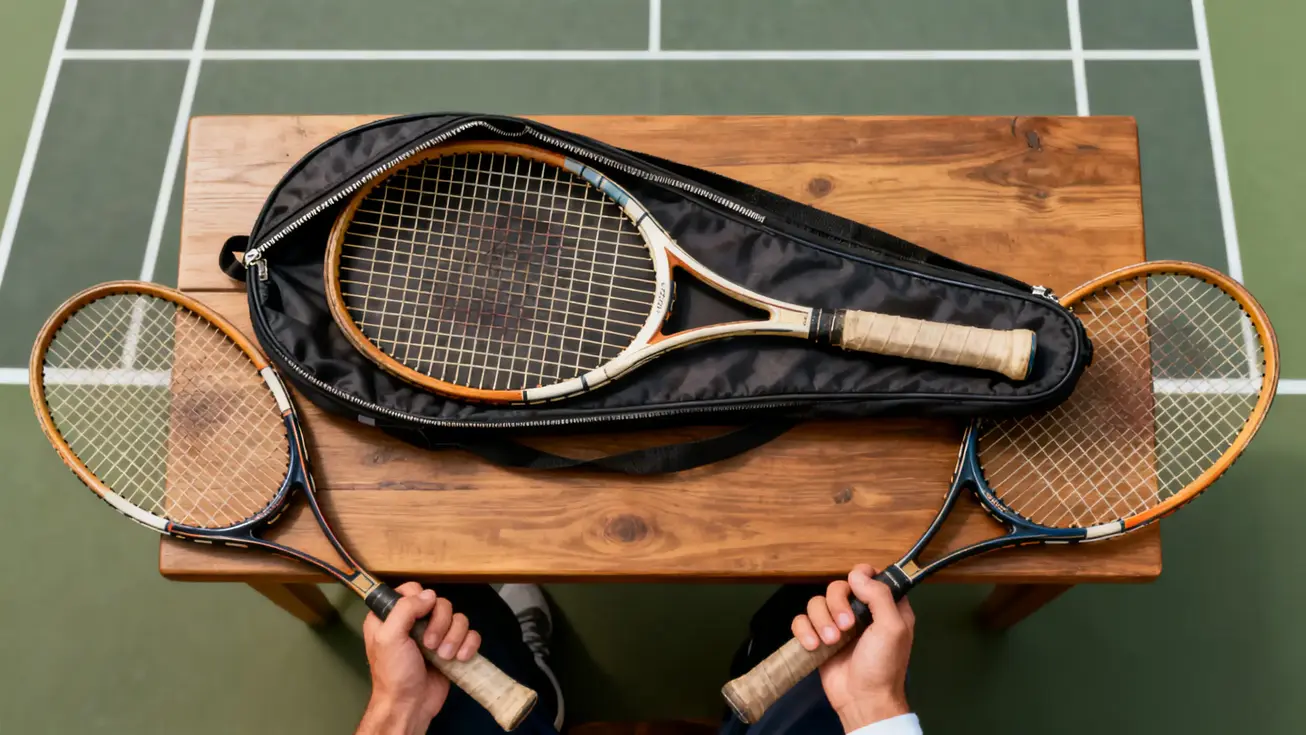
- Original accessories. Including the original bag, overgrip and dampener helps, but do not inflate the price because of them.
If you want a personalised steer before you list, use the EpicRackets racket value tool to get an honest estimate based on your specific frame and condition.
Where to sell it#
You have four realistic options, each with a different trade-off between effort, speed and final return.
Specialist pre-owned marketplaces (such as EpicRackets) are the best starting point for anything mid-range or above. Buyers here are specifically looking for used racket-sport gear, so you skip the noise of general classifieds. Listing is straightforward, and the audience already understands condition grades, string specs and brand tiers. You can list your racket directly and reach players across Portugal and the rest of Europe.
General classifieds (Facebook Marketplace, Vinted, Wallapop, OLX depending on your country) have volume on their side but attract a lot of tyre-kickers and low-ball offers. They work best for entry-level or unbranded rackets where the buyer does not need specialist knowledge. Expect negotiation and factor in time wasted.
Local clubs and pro shops. Pinning a card on the club noticeboard or asking your club pro to mention it costs nothing and can move a racket in days. Shops occasionally buy second-hand stock outright, though they will offer wholesale prices - typically 20–30% of retail - because they need a margin when they resell.
eBay. Reaches a large audience and auctions can occasionally surprise you on desirable models. The downsides: fees (typically 10–13% of final sale in most European markets), packing and postage effort, and buyer-protection disputes if something goes wrong.
How to write a listing that actually sells#
The single biggest reason used rackets sit unsold is a vague listing. Here is what to include:
- Brand, model name and year (if known)
- Head size, weight (unstrung if possible), grip size
- String brand and approximate tension, and when it was last restrung
- Honest condition description with close-up photos of any chips or scratches
- How many hours or seasons you played with it
- Whether the original cover or bag is included
Photograph the string bed close up, both faces of the frame, the throat, and the grip. Natural light on a plain background is all you need.
Set your opening price at the upper end of the realistic range for your condition tier - you can always come down, but starting too low leaves money on the table and signals poor quality to knowledgeable buyers.
When it is not worth selling#
If the frame is cracked anywhere along its length, it is not safe to sell for play. Cosmetic damage is fine to disclose and sell; structural damage is a different matter. Similarly, very old entry-level rackets (think a no-brand frame bought for £20 a decade ago) are often not worth the effort of listing - donate them to a school or club instead.
For anything else, there is almost certainly a buyer. Use the EpicRackets racket value tool to check what yours is likely to fetch, then list it where players are actually looking.