Where to sell a used padel racket in the UK and get a fair price for it
Got a padel racket you no longer need? Here is where to list it, what it is actually worth, and how to avoid leaving money on the table.
Padel has grown quickly in the UK, which means two things: there is a healthy second-hand market for used rackets, and that market is getting easier to navigate. The short answer is that your best options are a dedicated pre-owned padel marketplace (like EpicRackets), eBay, and Facebook Marketplace, in roughly that order depending on how fast you want to sell and how much you want for it. Which platform wins for you depends on the racket's condition, original price, and how much effort you want to put in.
What your racket is actually worth#
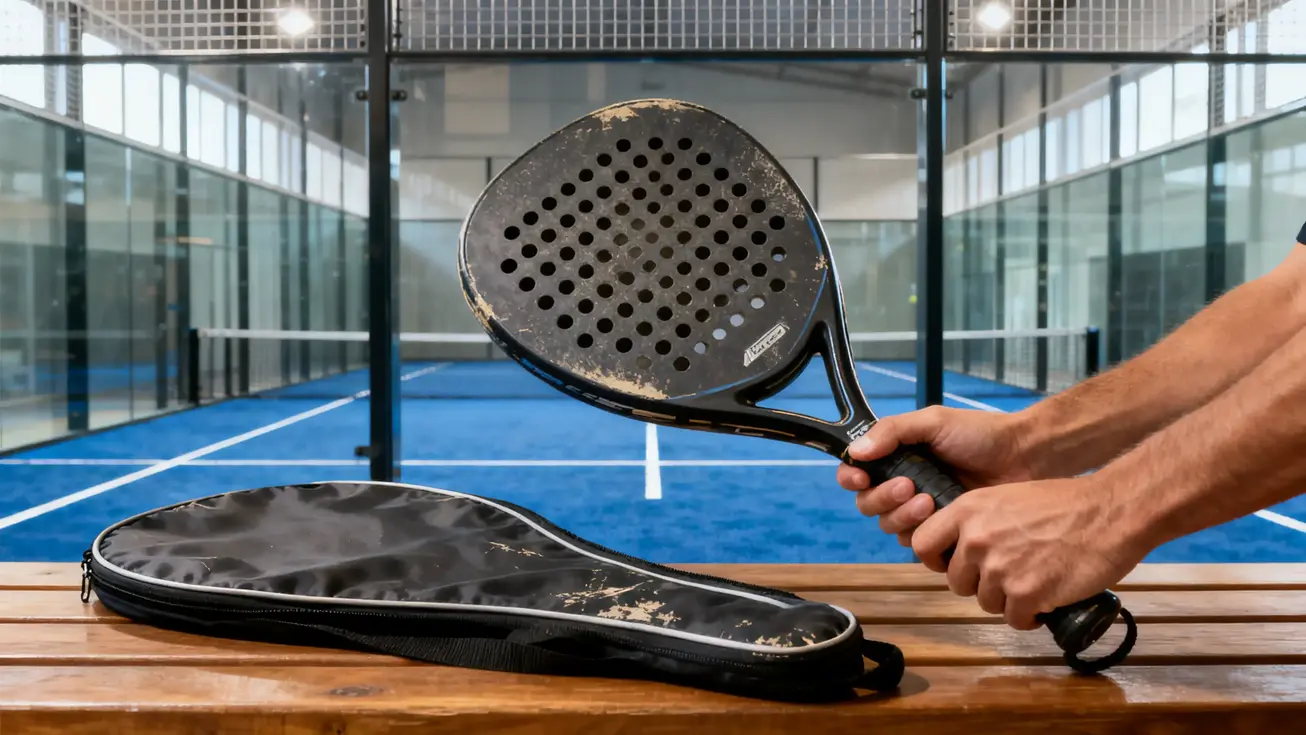
Before you post anything anywhere, get a realistic sense of value. Padel rackets depreciate differently from tennis rackets because there are no strings to replace: the EVA or foam core and the carbon or fibreglass face are the racket. Once the face shows deep scratches, edge protector damage, or the core starts to feel dead, buyers notice immediately.
As a general guide, condition maps to resale value roughly like this:
| Condition | Description | Typical resale as % of original RRP |
|---|---|---|
| Like new | Barely used, no marks, original bag included | 55–70% |
| Very good | Light cosmetic scuffs, fully playable, no structural damage | 40–55% |
| Good | Visible wear on edges/face, solid core, some missing protector | 25–40% |
| Fair | Heavy cosmetic wear, minor dents, still playable | 10–25% |
| Poor | Cracked face, dead core, structural damage | Not worth listing; recycle or donate |
Brand and model tier matter just as much as condition. A high-end carbon racket from Bullpadel, Babolat, Head, or NOX at a year old in great shape will hold value far better than a mid-range fibreglass racket from three seasons ago. Use EpicRackets' free valuation tool to get a market-calibrated estimate before you commit to a price.
Where to sell it#
EpicRackets is the most targeted option. It is a marketplace built specifically for pre-owned racket-sport gear, so the buyers already know what they are looking at and are not going to lowball you because they think a padel racket is the same thing as a tennis racket. There is no explaining the sport or the gear. List your racket at epicrackets.com/sell, upload clear photos of the face, back, edge protector, and any marks, and price it against comparable sold listings.
eBay UK has the widest reach but requires more effort. Search "completed listings" filtered to sold for your model to see what buyers actually paid, not what sellers hoped to get. Factor in eBay's selling fees (currently around 12.8% for sporting goods plus PayPal or payment processing costs) when setting your price. Pack the racket well: a broken racket in transit is a return and a headache.
Facebook Marketplace works well for local sales because there are no fees and no shipping risk. The downside is that padel is still a minority sport in many UK towns, so the pool of buyers is smaller outside London, Manchester, and a handful of other cities where courts are plentiful. Price slightly lower than eBay to account for the reduced audience.
WhatsApp padel groups and club noticeboards are underrated. If you play at a club, someone there is probably looking for exactly what you have. A quick message in the club chat costs nothing and often converts in hours.
How to photograph and describe it properly#
Photos make or break a padel listing because buyers cannot pick the racket up. Take pictures in daylight, not artificial light:
- Face (hitting surface), shot straight on
- Back, straight on
- Edge protector close-up, especially the bottom where most wear happens
- Any specific damage or scuffs, close-up and honest
- The grip and any overgrip
- The bag or cover if included
In the description, state the model name and year if you know it, the weight (most padel rackets sit between 350g and 385g), the shape (round, teardrop, or diamond), and the face material (carbon or fibreglass). Mention how many hours of approximate play it has seen. Honest listings sell faster and generate fewer awkward messages from buyers who feel misled.
Getting paid and shipping safely#
For online sales, only accept payment before dispatch. Bank transfer to someone you have not met is a risk; eBay's managed payments system or PayPal Goods and Services both give you some protection. Wrap the racket in bubble wrap, use a sturdy box (a racket bag alone is not enough protection in transit), and always buy tracked shipping. Royal Mail, DPD, and Evri all handle racket-sized packages, with tracked 48-hour services typically costing £4–8 depending on weight.
If you are selling locally via Facebook or a club group, meet at the court and let the buyer hit a few balls with the racket before handing over cash. That is fair to everyone and avoids disputes.
Ready to find out what your racket is worth before you list it anywhere? Run it through the EpicRackets valuation tool for a market-based estimate, then browse current padel listings to see what comparable rackets are selling for right now.