How to sell a used tennis racket: where to list it and what to expect
The short answer: clean it up, photograph it honestly, price it at roughly 30–60% of its original RRP depending on condition, and list it somewhere buyers actually look. The longer answer is what this guide covers.
Most used tennis rackets sell within a week or two if they are priced sensibly and described accurately. The ones that sit for months are usually overpriced, badly photographed, or missing key details that buyers need before they'll commit.
What is a used tennis racket actually worth?#
Condition and brand recognition drive almost everything. A current-generation Wilson Blade, Babolat Pure Drive, or Head Speed in near-mint condition can hold 50–60% of its retail price because players know the model, trust the spec, and see the value. A five-year-old entry-level frame from a less recognised brand might fetch 20–25% of what it originally cost, if that.
Use this as a starting framework:
| Condition | Description | Expected resale (% of original RRP) |
|---|---|---|
| Near mint | Rarely used, no cosmetic damage, original grip, strings still live | 50–65% |
| Good | Regular use, light scuff marks, no structural damage, decent strings | 35–50% |
| Fair | Visible scratches, worn grip, strings may need replacing | 20–35% |
| Poor | Heavy wear, chips, dead strings, possible frame stress marks | 10–20% (or parts only) |
A few other factors move the needle. Rackets that are currently in production and widely available at retail sell at a discount to new; if your model has been discontinued, demand from players who loved it can actually push prices higher. Head size and weight also matter: 100 sq in frames at around 300 g unstrung appeal to the widest range of recreational players, which means more buyers and faster sales. Very player-oriented specs (small head, high weight, low flex) attract a narrower audience willing to pay more for exactly the right thing.
If you want a fast, no-guesswork check on what yours might be worth, run it through EpicRackets' racket value tool before you post it anywhere.
Where to sell a used tennis racket#
You have several realistic options, each with trade-offs.
Specialist pre-owned marketplaces such as EpicRackets are the most targeted route. Buyers are already in the mindset to purchase racket gear, so you waste less time fielding irrelevant questions or no-shows. Listings are sport-specific, which means the person looking at your frame already understands what a 16x19 string pattern means. List your racket directly here and it reaches players across Portugal, Spain, and the wider European market.
General platforms (Wallapop, OLX, Facebook Marketplace, eBay) bring larger raw audiences but more noise. You'll get enquiries from people who think a Wilson Pro Staff is the same as a Wilson Clash, and negotiations can drag. That said, eBay in particular has a strong tennis-buying community, and completed listing searches give you real-world price data to calibrate against.
Local club noticeboards are underrated. A racket sold at your club goes to someone who can inspect it in person, which removes the friction around trust. Transactions are immediate, there are no shipping costs, and you avoid platform fees entirely. Ask the club pro or club secretary if you can post a card or message the club WhatsApp group.
Trade-in to a shop is fast but you'll receive the lowest return, typically store credit rather than cash, and at 20–35% of RRP at best. Worth considering only if you are buying something else from that shop at the same time.
How to get the best price when you list#
Presentation matters more than most sellers expect. Here's what to do before you take a single photo.
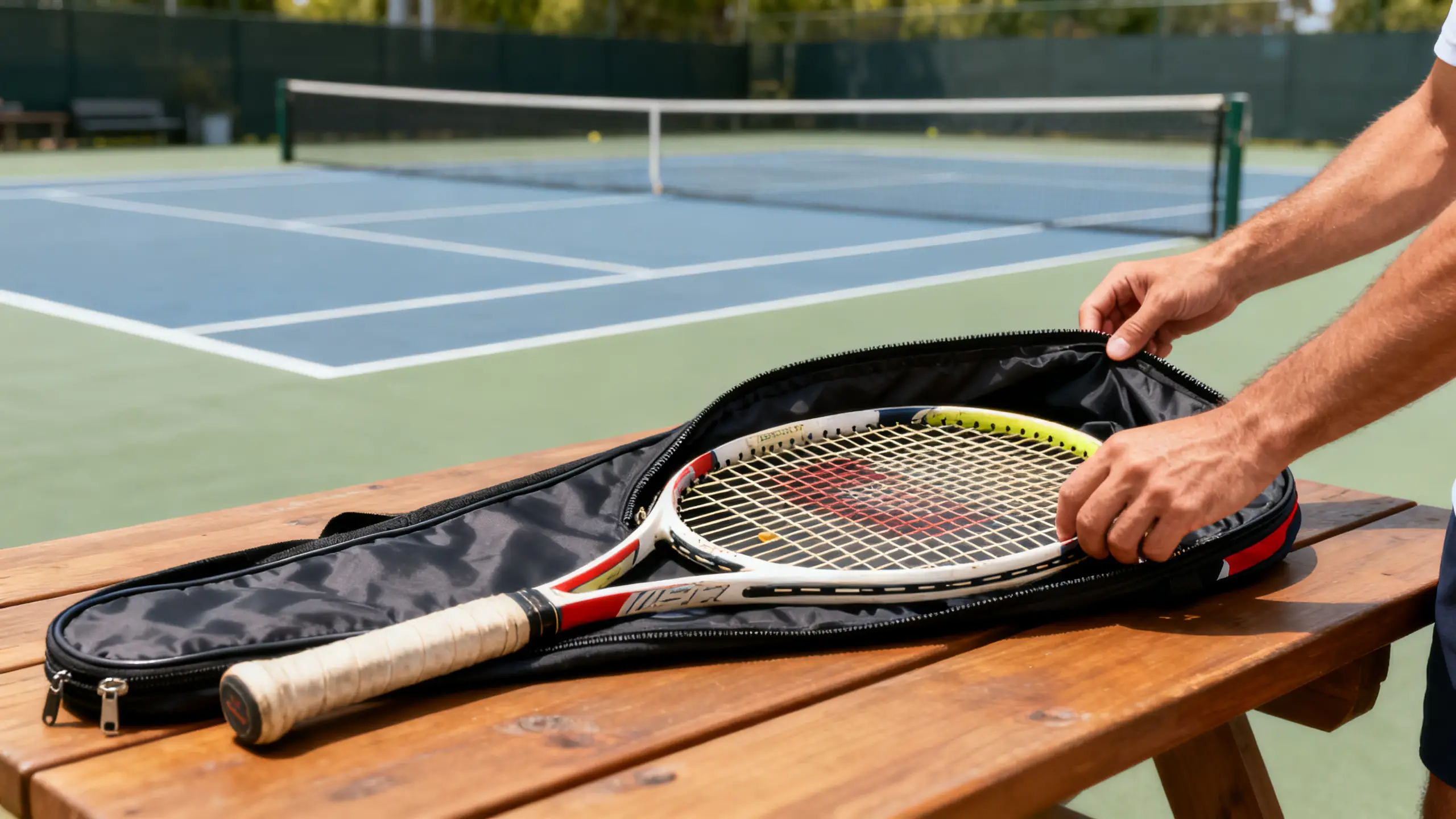
- Clean the frame. A damp cloth removes court dust and makes scuffs easier to assess honestly.
- Replace the overgrip if it's tatty. A fresh Tourna Grip or Wilson Pro Overgrip costs under €2 and makes the racket look cared-for.
- Check the strings. If they're notched, broken, or older than 18 months of regular play, say so. Buyers factor restringing into their offer; surprises after the sale create disputes.
- Photograph everything. Frame face, throat, handle, and any chips or scratches. Natural daylight against a plain background. Four clear photos outperform twelve blurry ones.
- State the key specs in the listing: brand, model name, head size, weight (unstrung), grip size, string gauge and tension if known, and how many months you've been playing with it. Buyers searching for a specific setup need this to click through at all.
- Be honest about condition. Overestimating condition is the single most common reason sales fall through or result in return requests.
When it's probably not worth selling#
If the frame has a visible crack near the throat or head, any structural damage, or has been repaired with tape, it is not safe to sell as a playable racket. Parts-only or display-only listings exist for a reason, but be explicit. Equally, entry-level rackets bought for under €40 new rarely fetch enough to justify the time and postage involved. Donating to a local school or club is the better move there.
Ready to put a number on yours? The EpicRackets racket value tool takes the guesswork out of pricing, and listing takes under five minutes. Pre-owned rackets sold honestly find buyers faster than people expect.