Let's skip the obvious stuff#
You've played padel a few times, you're hooked, and now you're staring at a wall of rackets (or worse, an infinite scroll of product pages) wondering what the difference is between a 120-euro racket and a 300-euro one.
Short answer: for your first racket, less than you'd think.
The best first racket is the one that lets you focus on your game, not your gear. Don't overthink it.
Here's the thing nobody tells you: most beginners buy a racket that's too advanced for them. They pick the one their favourite WPT player uses, and then spend six months fighting it instead of learning proper technique.
Let's fix that.
The three shapes, explained simply#
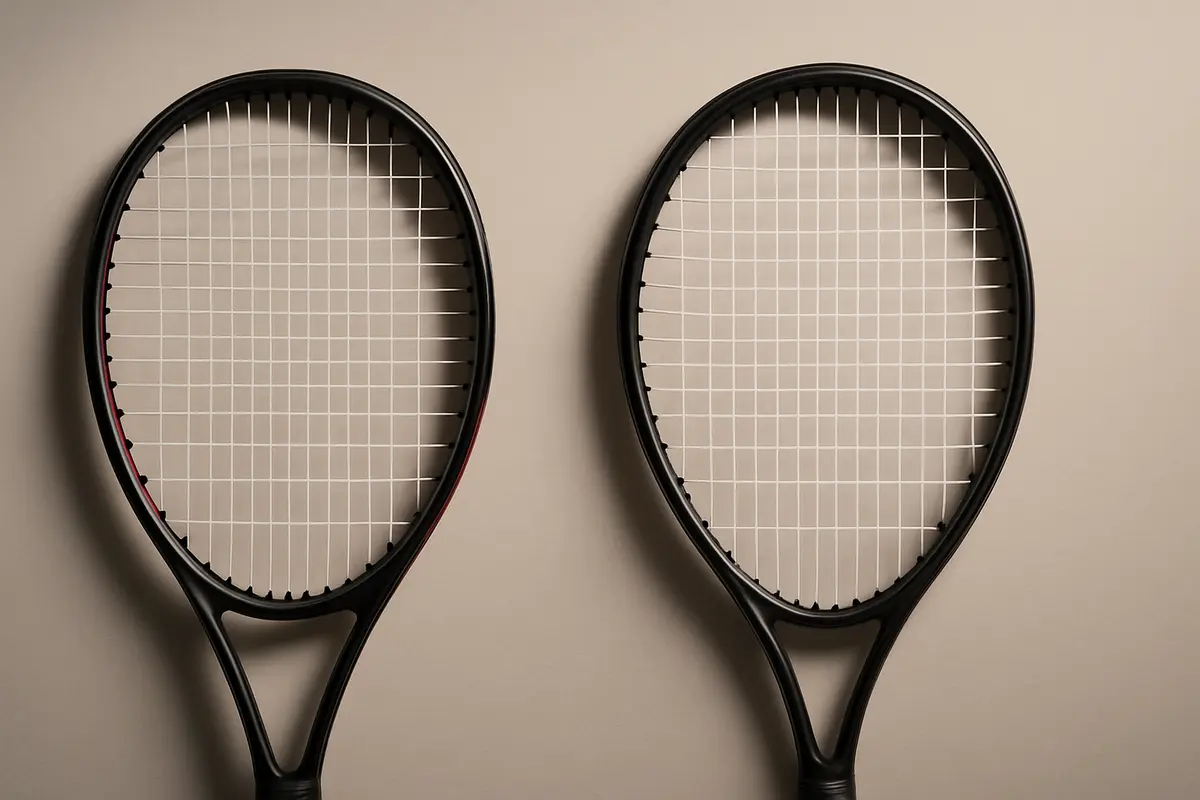
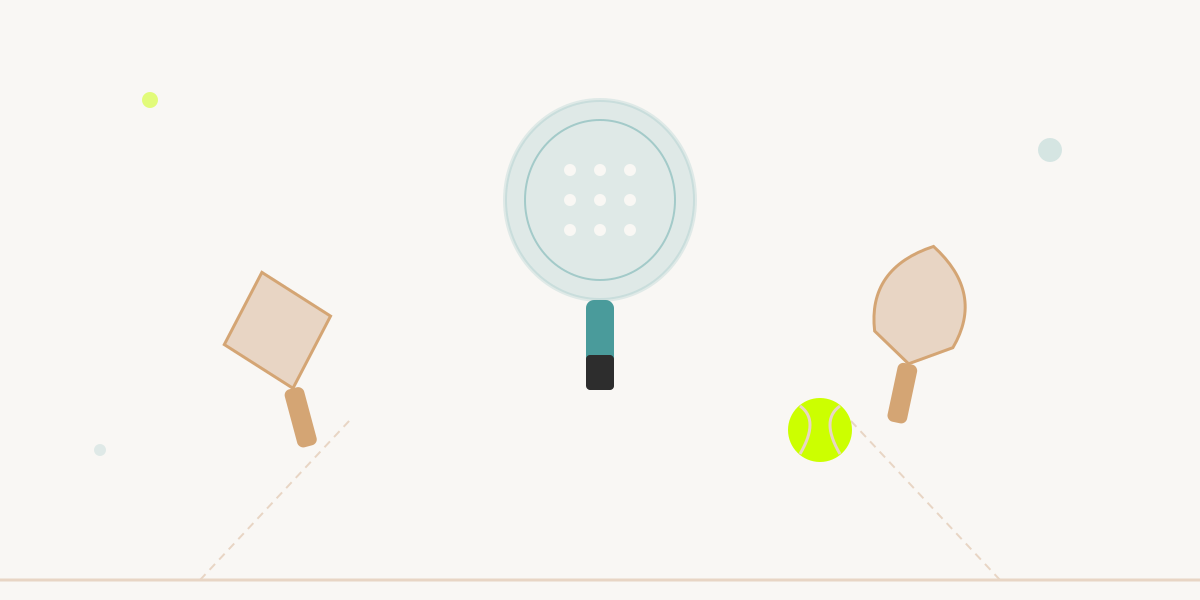
Every padel racket falls into one of three shapes. This is genuinely the most important decision.
| Shape | Sweet spot | Power | Control | Best for |
|---|---|---|---|---|
| Round | Large, centered | Medium | High | Beginners and defensive players |
| Teardrop | Medium, slightly high | Medium-High | Medium | Intermediate all-rounders |
| Diamond | Small, high | High | Lower | Advanced attacking players |
If this is your first racket, go round. No exceptions. I don't care how athletic you are or how good you are at tennis. The round shape forgives off-center hits, and you will hit off-center for the first few months.
Weight: lighter than you think#
Padel rackets typically weigh between 350g and 390g. For your first racket:
- Women / lighter players: 350-360g
- Men / average build: 360-370g
- Stronger players with tennis background: 365-375g
Don't go above 375g for your first racket. A heavier racket generates more power but destroys your elbow if your technique isn't dialled in yet. And your technique isn't dialled in yet. That's fine.
Materials: what actually matters#
You'll see a lot of marketing language around carbon, fibreglass, EVA foam, and "graphene-infused aerospace polymers" (okay, I made that last one up, but barely).
Here's what you need to know:
The face
- Fibreglass = more flex, more forgiveness, better feel for beginners
- Carbon fibre = stiffer, more power, less forgiveness
For your first racket: fibreglass or a fibreglass/carbon mix. Pure carbon is for when you can consistently hit the sweet spot.
The core
- Soft EVA = comfortable, forgiving, good control
- Medium EVA = balanced
- Hard EVA / FOAM = more power, more demanding
For your first racket: soft or medium EVA.
A sample spec for a great beginner racket#
Shape:        Round
Weight:       355-365g
Balance:      Low-Medium (260-270mm)
Face:         Fibreglass
Core:         Soft EVA
Thickness:    38mm
Price range:  60-120 EUR
Brands that do great beginner rackets#
Not a paid endorsement. Just brands that consistently produce solid entry-level models:
- Head - The Alpha Motion series is excellent value
- Bullpadel - The Vertex line has good beginner options
- Adidas - The Metalbone CTRL in lighter versions
- Nox - Great all-round range
- Babolat - The Counter series is underrated
The pre-owned angle#
Here's where we come in. A racket that's 6 months old and barely used performs identically to a new one. The foam might be 2% less bouncy. You will not notice.
On EpicRackets, you can find last-season models from all these brands at 40-60% off retail. That 180-euro racket from 2025? It's the same technology, just without the latest paint job. Your opponents won't know the difference. Your wallet will.
Pro tip: Look for rackets listed as "used 5-10 times" or "barely used". People buy expensive rackets, realise they're too advanced, and sell them. Their loss, your gain.
What to avoid#
A quick list of red flags when buying your first racket:
- Anything described as "professional" or "elite" - Marketing speak for "too advanced for you right now"
- Rackets over 380g - Your arm will thank you
- Diamond shapes - Come back to these in a year
- Unknown brands with no reviews - Stick to established names for your first purchase
- "The one my friend uses" - Unless your friend is also a beginner with the same build as you
The 6-month rule#
Buy a beginner racket now. Play with it for 6 months. By then, you'll know:
- Whether you prefer to play offensively or defensively
- If you want more power or more control
- What weight feels right in your hand
- Whether you need more wrist protection
Then upgrade intentionally. Sell your first racket on EpicRackets (it'll still have plenty of life — check our guide on how to sell your used racket for top dollar) and buy your second one with actual knowledge behind the decision.
TL;DR#
Round shape. Under 370g. Fibreglass face. Soft EVA core. Spend 60-120 euros. Play for 6 months. Then upgrade with purpose.
Your technique will improve your game 10x more than your racket choice ever will. The racket just needs to not get in the way.
And if you needed another reason to buy pre-owned, the environmental case for secondhand gear is stronger than you might think.
Now get on the court.