You switch clubs, step onto a different surface, and suddenly the ball is sitting up a foot higher than you expected. Your smash that normally dies in the corner bounces back into play. Your footwork feels wrong. Nothing has changed about your game, but everything feels off. That is not bad form. That is the surface talking.
Most padel content treats the court as a neutral backdrop, something that just happens to be there. It is not. The surface underneath you is one of the biggest variables in how the game actually plays out, and if you are choosing gear, adjusting your positioning, or picking up a pre-owned racket that someone else played on a different surface type, understanding what each surface does is genuinely useful. This post covers the three main types you will encounter at UK and European clubs, what the ball does on each, and what you need to adjust.
Artificial grass with sand infill: the standard, and what it actually does#
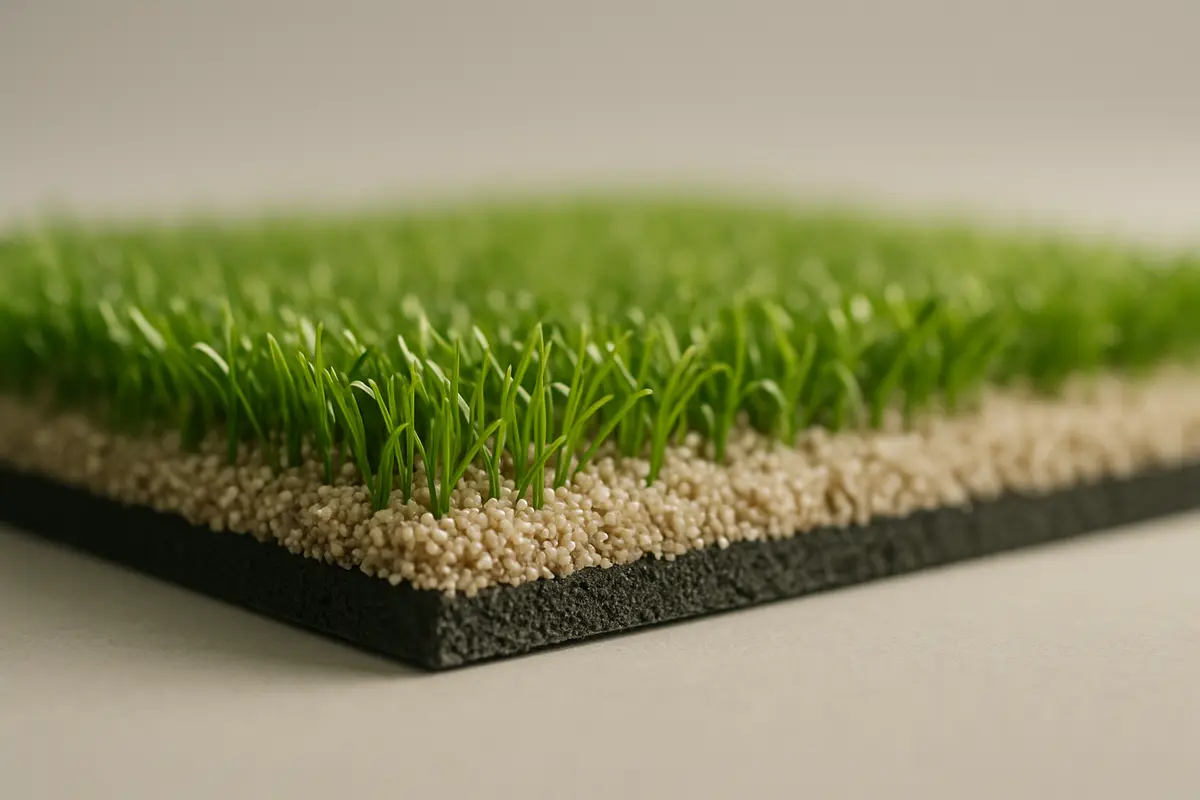
Walk into most purpose-built padel clubs in the UK and Spain and you will be on artificial grass with a sand infill layer. The fibres are short, typically 12 to 16mm, and the sand sits between them to add weight and stability. It looks like a miniature football pitch and it plays like nothing else.
The sand infill slows the ball on first bounce. You get a medium-to-high bounce that stays predictable, and the surface grips the ball enough to reward topspin. Pace bleeds off more quickly than on hard surfaces, which is why so much padel at club level is won at the net: the ball does not arrive fast enough off the back wall to punish you for being up. Aggressive bandeja play and net dominance suit this surface.
Footwear matters enormously here. Padel-specific shoes with a herringbone or multi-directional sole pattern grip the sand without catching on the fibres. Running shoes or tennis shoes will either slip on the sand or snag as you change direction. If you are new to the sport and wondering why everyone seems to move so confidently while you are skidding, the shoes are probably the answer before the technique is.
For racket choice, the medium pace of this surface means there is room to use a slightly heavier or more control-oriented frame without feeling like you are too slow to react. Round-shape rackets with a low balance point tend to feel comfortable here because you have the time to swing properly.
Concrete and hard acrylic: faster, flatter, less forgiving#
Older clubs, some indoor venues, and a number of public courts across Europe use a hard surface, either bare concrete or a painted acrylic layer over concrete. This is closer to what you would recognise from a tennis hard court, and it plays that way too.
The ball bounces lower and faster. It skids through rather than sitting up, which compresses the time you have to set up shots. Back-wall play becomes more aggressive because the ball comes off the glass with more pace. Volleys need to be crisper. The slower, methodical build-up game that works on sand infill grass gets punished here because the ball arrives before you are ready.
Tactically, I find that staying further back from the net makes more sense on hard surfaces, at least until you have read the pace. The glass returns are quicker and more angular, so giving yourself half a step of extra space is worth it. Lob play is also more effective here because the ball does not lose pace in the same way on the bounce, so a well-placed lob actually threatens.
For footwear, a harder outsole with less cushioning works, but you need grip on a slick acrylic surface. Some padel shoes are specifically rated for hard courts. Check the sole before you buy. On concrete, lateral support matters more than on grass because there is no give in the surface at all, and your ankles will feel the difference after an hour.
One thing worth noting: if you are looking at padel rackets that were previously played on hard courts, the frame and face take more direct impact than on grass. It is worth inspecting the hitting surface carefully on pre-owned gear that has been used on concrete. A few surface scuffs are cosmetic, but deep dents in the EVA core or cracks in the carbon face change how the racket plays.
Padel turf without sand: the variable you did not expect#
A growing number of venues, particularly newer indoor clubs, are using low-pile artificial grass without significant sand infill, or with a rubber granule fill instead of sand. It looks similar to the standard surface but plays quite differently.
Without the sand weight, the surface is faster underfoot and the ball bounces higher. The rubber granule fill, where present, can produce an unpredictable second bounce because the granules shift slightly. I have played on three courts with rubber fill at different clubs and each one felt subtly different, which tells you something about how much variation there is in installation quality.
The higher bounce suits players who like to play from the back and use the walls creatively. Overhead play becomes more central because balls sit up. The faster underfoot feel means lateral movement is quicker, which rewards aggressive net approaches if you time them well.
Surface comparison at a glance#
| Surface type | Bounce height | Ball pace | Best footwear sole | Tactical emphasis |
|---|---|---|---|---|
| Artificial grass, sand infill | Medium-high | Slow to medium | Herringbone padel sole | Net dominance, topspin |
| Concrete or hard acrylic | Low-medium | Fast | Hard court padel sole | Back wall play, volleys |
| Artificial grass, rubber fill | High | Medium to fast | Herringbone padel sole | Wall play, overheads |
What this means when you are choosing or buying a racket#
The surface you play on most often should inform your racket choice more than it usually does. On slow sand infill courts, you have time to use a heavier frame with more mass behind the ball. A diamond-shaped frame with a high balance point can work well if you are comfortable with the extra weight, because the slower pace gives you the swing time to use it. On fast hard courts, I would lean towards a round or teardrop shape with a lower balance point, something that moves quickly and gives you control when the ball is arriving fast.
Face material matters too. Carbon fibre faces are stiffer and return more pace, which suits slower surfaces where you want to generate your own power. Fibreglass faces are more flexible and absorb pace, which can actually help on fast hard courts where you want to soften the ball rather than add to its speed.
If you are picking up pre-owned gear and you know it was used primarily on one surface type, factor that in. A racket played heavily on hard courts has absorbed more direct impact over its life. That is not a reason to avoid it, but it is a reason to inspect the face and edges carefully. Our post on how to spot a fake tennis racket is tennis-specific, but the principle of knowing what to look for on a hitting surface applies to padel frames too.
The broader point is that surface knowledge makes you a better buyer and a better player. If you are picking up your first frame, sample-first-padel-racket is worth reading alongside this, because the surface you will play on most should shape that first purchase. And if you have gear sitting unused because you switched clubs and the surface changed, listing it with us means it finds a player whose court it actually suits.
Browse padel rackets currently listed on the marketplace, or list your own gear if it is gathering dust.