The surface question#
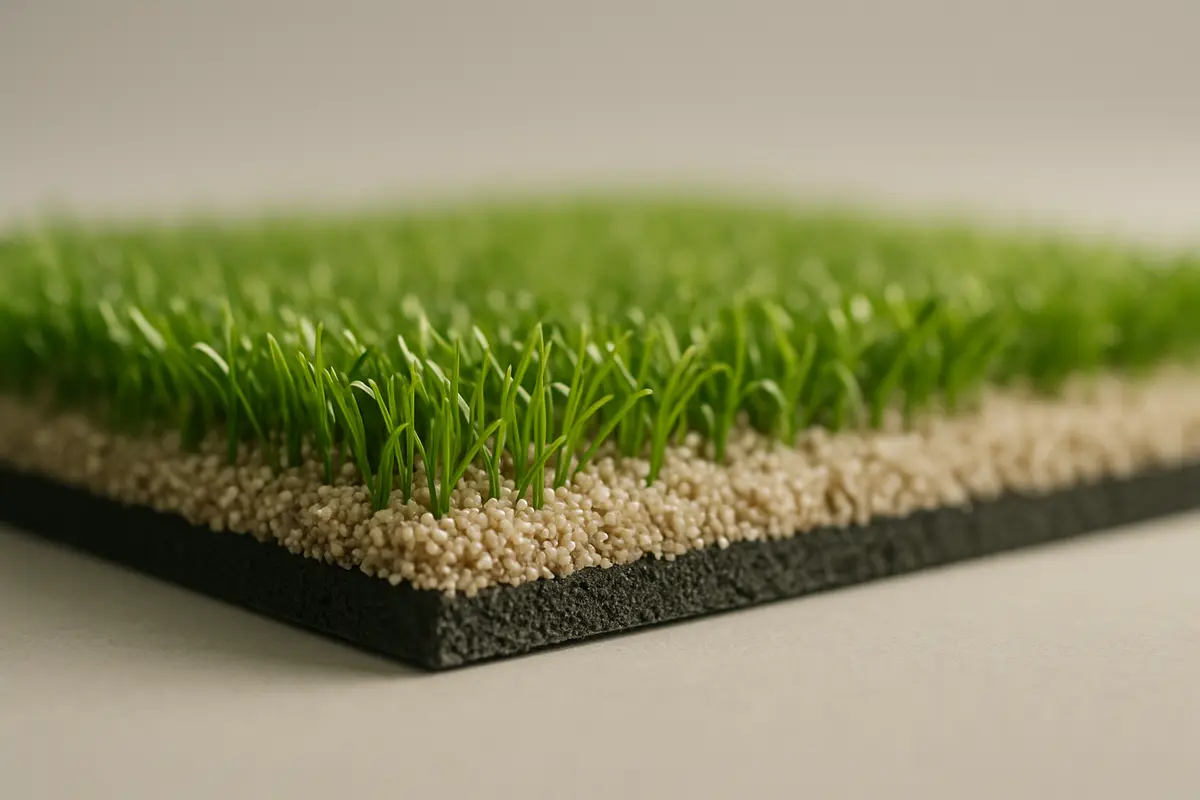
If you play tennis in Europe, you probably alternate between surfaces. Clay in summer, hard courts at the indoor club in winter. Maybe a brief affair with artificial grass at a friend's private court.
The equipment industry would love you to believe each surface requires its own setup. Different racket, different strings, different tension, different shoes, different grip. That's great for selling more gear. It's mostly nonsense for recreational players.
But some of it is real. Here's what actually changes.
Shoes: the one thing that genuinely matters#
This is not negotiable. Wearing hard court shoes on clay is like wearing road tyres on a muddy field. You will slip. You might get hurt.
| Surface | Sole pattern | Why it matters |
|---|---|---|
| Clay | Herringbone (zigzag grooves) | Channels clay away, prevents build-up, allows controlled sliding |
| Hard court | Modified herringbone or dot pattern | Durability-focused, grips rough surface, cushioning emphasis |
| Grass | Pimpled or nubbed sole | Maximum grip on slippery grass, tight pattern |
| All-court | Compromise herringbone | Works okay everywhere, excels nowhere |
The real-world advice: own clay shoes and hard court shoes. If you play 70%+ on one surface, buy specialist. If you genuinely split 50/50, all-court shoes exist but expect them to wear faster on hard courts and slide less predictably on clay.
Pre-owned tennis shoes are worth considering if they're lightly used. The sole wears, but a shoe with 10 hours of clay court use still has 80%+ of its tread life. Check the herringbone depth in the toe area (that's where wear shows first). Browse tennis shoes on EpicRackets and you'll regularly find near-new pairs at half retail.
Strings: minor adjustment, not a rethink#
Some competitive players drop tension by 1-2kg for clay (the slower surface gives you more time, so you trade a fraction of control for extra power). Others don't change anything.
For recreational players, this is overthinking it. Keep your usual setup. If you play exclusively on clay and feel like you're working too hard to generate power, drop 1kg next time you restring. That's it.
Our string tension guide covers the fundamentals if you want to understand what tension actually does before making changes.
Rackets: no, you don't need two#
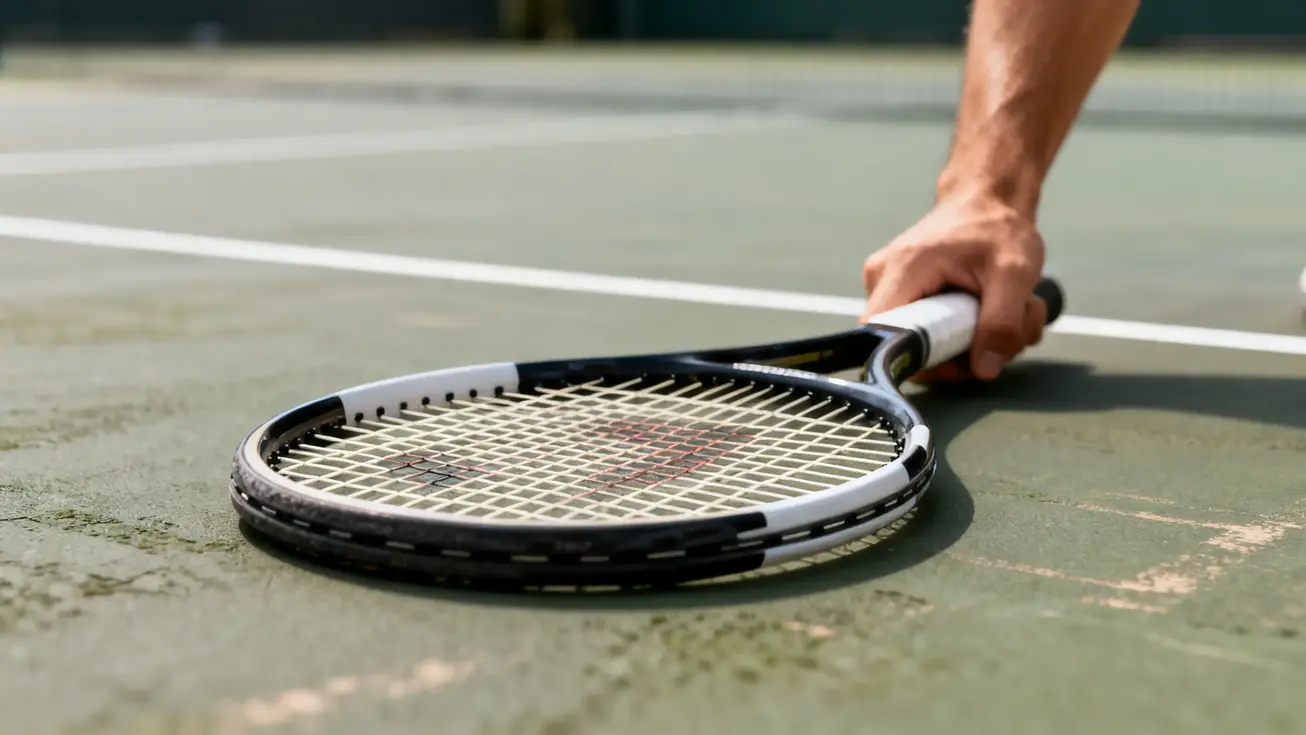
Unless you're competing at a serious level, the same racket works on every surface. The ball speed and bounce change between surfaces. Your racket doesn't need to compensate for that. Your footwork and positioning do.
The players who own surface-specific rackets are typically high-level competitors who have sponsorship deals and hit 15+ hours per week. If that's you, you already know what you need. If it's not, save your money.
Grip and overgrip: one actual difference#
Clay gets everywhere. Including your grip. If you play on clay regularly, you'll burn through overgrips faster because clay dust reduces grip tackiness. Budget for replacing your overgrip every 3-5 sessions on clay versus every 5-8 on hard courts.
Some players prefer slightly thicker or more absorbent overgrips for clay. Tourna Grip (dry feel, excellent absorption) is popular on clay. Wilson Pro Overgrip (tacky feel) works better on clean hard courts. This is genuine preference, not marketing.
Surface:        Clay
Overgrip swap:  Every 3-5 sessions
Type:           Dry/absorbent (Tourna Grip, Yonex Dry)
Why:            Clay dust kills tackiness fast
Surface:        Hard court
Overgrip swap:  Every 5-8 sessions
Type:           Tacky (Wilson Pro, Babolat VS)
Why:            Less dust, grip lasts longer
Balls: yes, they're different#
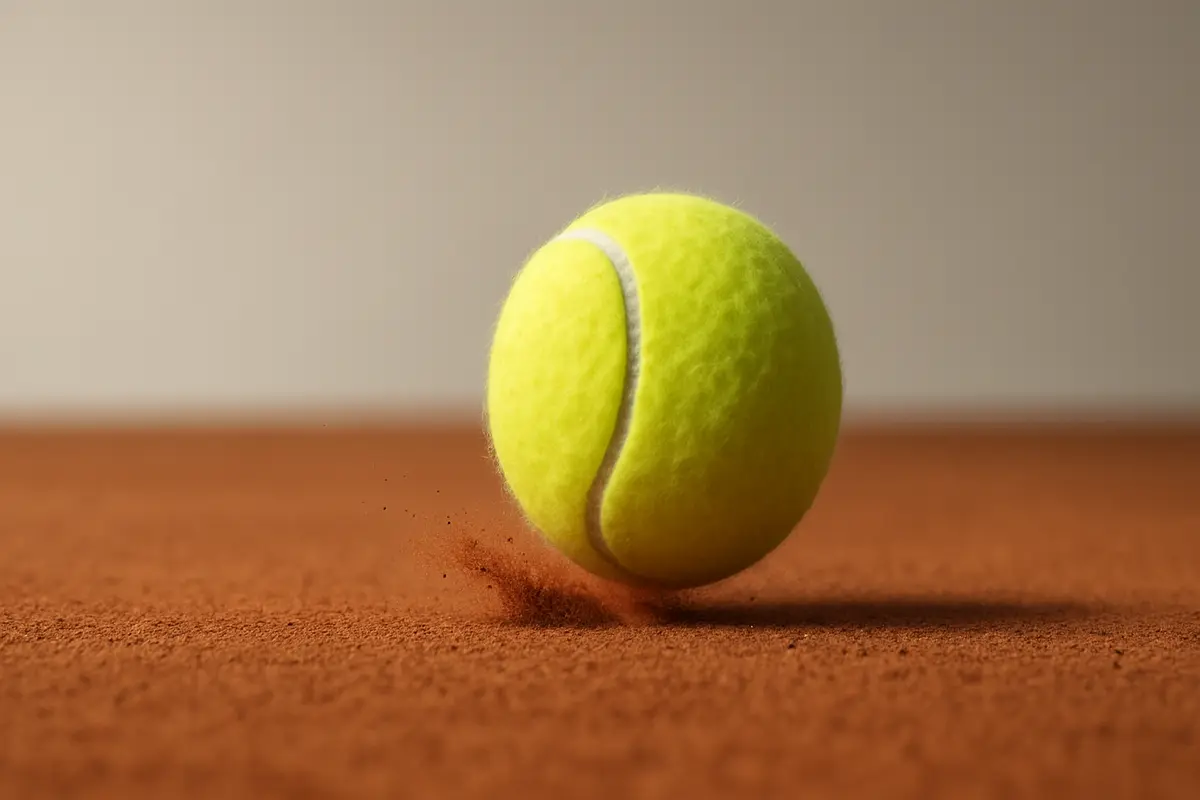
This one surprises people. Clay court balls (usually labelled "clay" or with a slightly different felt) have a slightly thicker felt that resists clay absorption. Regular balls get heavy and slow on clay as the felt picks up dust.
For casual play, regular balls are fine on clay. For anything competitive, use clay-specific balls. The difference is noticeable after 30 minutes of play.
The bottom line#
| Item | Change for surface? | Investment level |
|---|---|---|
| Shoes | Yes, always | Medium (40-120 EUR, less pre-owned) |
| Strings/tension | Rarely, minor tweak | Low (just a restring adjustment) |
| Racket | No | None |
| Overgrip | Type preference, faster replacement on clay | Very low (2-5 EUR) |
| Balls | Ideally, for clay | Low (5-10 EUR per can) |
Shoes are the only gear change that meaningfully affects your safety and performance across surfaces. Everything else is marginal optimisation that matters far less than actually practising on the surface you're about to compete on.
If you're building a gear collection across surfaces, buying shoes pre-owned is the smartest saving you can make. A quality clay court shoe at 50% off retail frees up budget for the things that actually matter: court time and coaching.