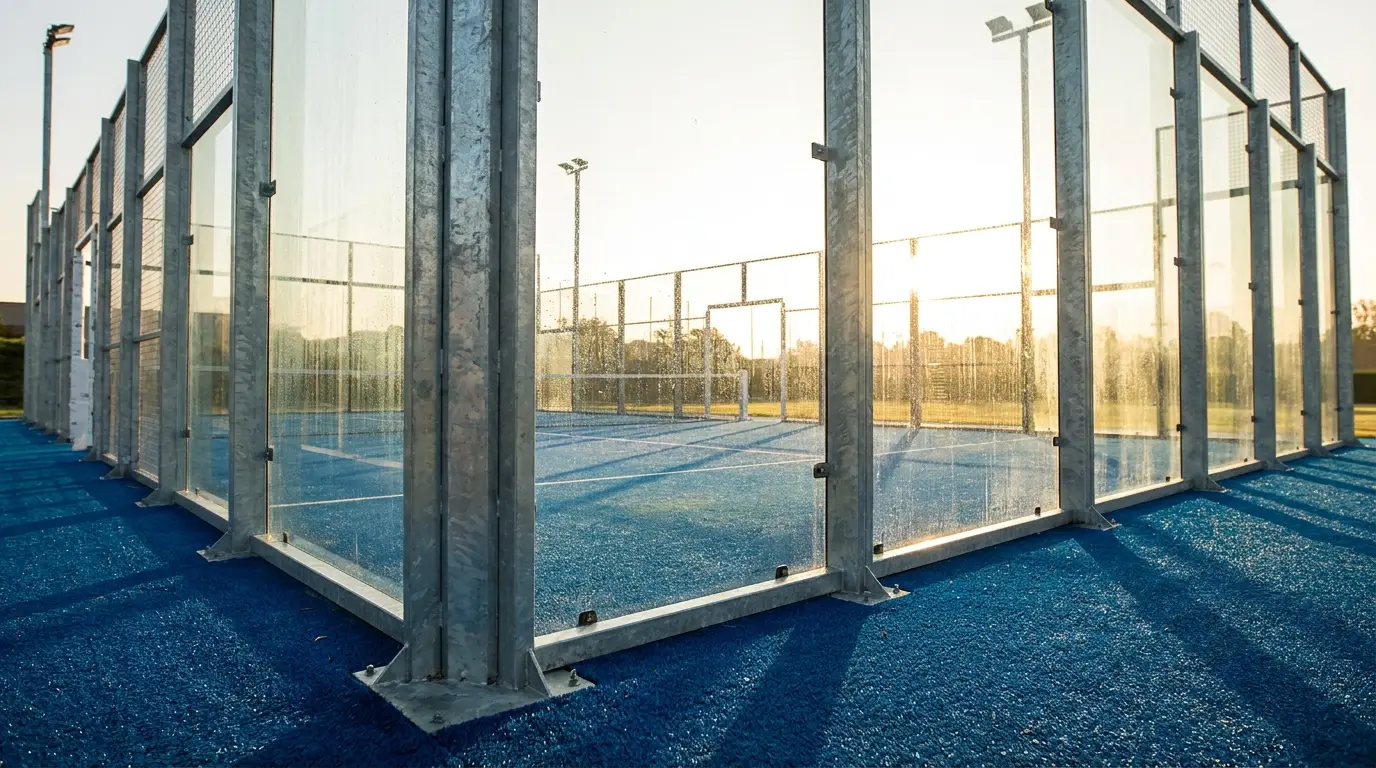
Victory Ground Tennis Club in Bury St Edmunds has been renting two courts at the Victory Sports Ground Complex for £4,000 a year for the best part of eight decades. Now, according to the club's membership secretary Steve Daniel, a padel operator has expressed interest in the same site and is apparently prepared to pay substantially more - so much more that Daniel told the BBC the club had offered to double its rent and still been told that wasn't close. "We've said we would double our rent, and we could afford that because we are now bringing in more money," he said. "But we just cannot afford to be talking about figures where it's going up by 500%. It's just impossible." The Victory Sports Ground CIC confirmed to the BBC that discussions with other prospective tenants had taken place, though no decision had been made.
What's actually driving this#
This isn't an anomaly. It's the padel land grab playing out in slow motion across Europe, and it follows the money pretty directly. LTA research cited in the BBC report shows 860,000 adults and juniors in the UK now play padel - more than double the figure from the previous year. That kind of growth trajectory makes a padel court a genuinely attractive commercial asset for a sports facility operator, in a way that two tennis courts paying £4,000 a year simply isn't.
The economics are different in part because padel courts generate more sessions per hour (four players, shorter rallies, faster turnaround) and because the sport attracts a demographic that spends. That's not a criticism of padel - it's just the reality of where the money flows right now. What it means for clubs like Victory Ground is that their landlords are being approached by operators willing to pay many multiples of what a traditional member-funded tennis club can afford.
For anyone following padel's expansion from Spain and Portugal outward, none of this is surprising. The pattern - a facility sees the commercial opportunity, an existing sport community gets squeezed - has been running for a couple of years across Iberia already.
What this means for the pre-owned padel market#
More courts means more players means more gear changing hands. That's the simple version. But there's a subtler dynamic here that's worth noting for buyers and sellers alike.
When a new padel facility opens - whether it's a converted tennis club or a purpose-built venue - a wave of new players arrives who have never bought padel kit before. They tend to start with whatever they can find quickly, often at retail, then upgrade within 12-18 months once they know what they actually want. That first racket almost always ends up on the second-hand market.
Meanwhile, the players who already had courts nearby and have been playing for two or three years are now on their second or third racket - and many of those earlier frames (often fibreglass-faced, foam-core mid-range rackets from the 2023-2025 era) are hitting the pre-owned market in decent condition.
| Player stage | Typical behaviour | Pre-owned market impact |
|---|---|---|
| Brand new to padel | Buys cheap retail or borrows | Low impact, but creates future supply |
| 6-18 months in | Upgrades from starter racket | First pre-owned listings appear |
| 2-3 years in | Switches shape or material preference | Quality second-hand frames available |
| Experienced club player | Chases new tech, sells previous racket | Best value for buyers |
The Suffolk story is a data point in a broader shift. Every new padel court that opens - converted or purpose-built - feeds this cycle.
What to do with this if you're buying or selling#
If you're an experienced padel player thinking about selling a racket you've moved on from, now is a good time. There are more new players looking for a second purchase than there were 18 months ago, and they're actively searching for something better than their starter frame without paying full retail price.
If you're new to padel and wondering where to start without overspending, the pre-owned market has genuinely got better. Frames from reputable brands with carbon faces and EVA cores - the kind that were £150-200 new two years ago - are now appearing regularly at sensible prices from players who've moved up.
Browse what's currently listed on EpicRackets and filter by sport to see what's available: search padel rackets. And if you've got a racket sitting in a bag that you haven't touched in a season, list it - someone starting out at a new club near Bury St Edmunds (or anywhere else) will thank you for it.