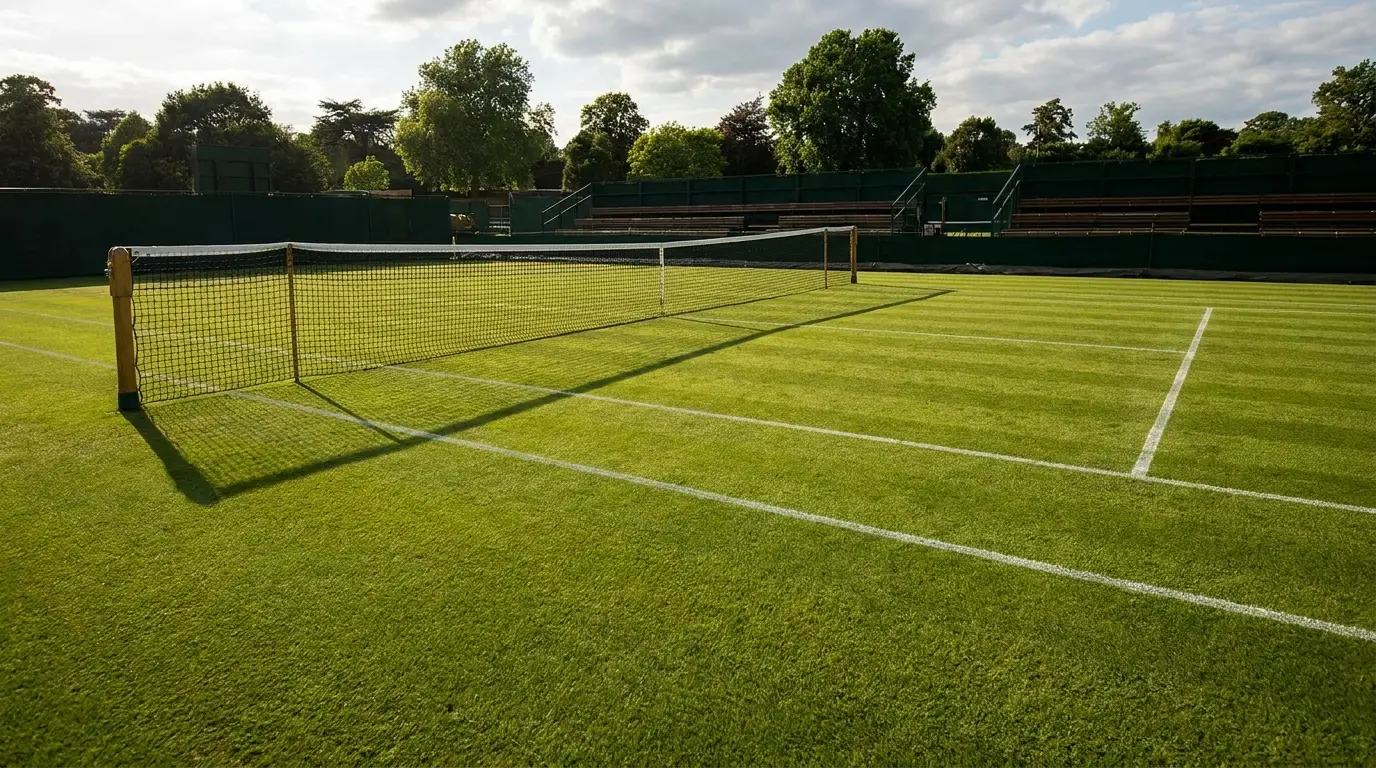
Arthur Fery has done something that almost nobody does at a Grand Slam: arrived as a wildcard and kept winning until the semi-finals. On Wednesday at Wimbledon, the 23-year-old home favourite defeated No. 9 seed Flavio Cobolli 6-4, 7-6(4), 6-0 on Centre Court to become only the fourth wildcard in the Open Era to reach a men's singles semi-final at a major, according to Bleacher Report. He now faces Alexander Zverev, who beat Taylor Fritz in straight sets in the quarter-finals, for a place in the final.
Fery won 78 percent of points on first serve against Cobolli and was steady throughout his return games, while Cobolli committed 41 unforced errors. That scoreline - especially that 6-0 third set - tells you this was not a lucky escape. It was controlled, confident tennis.
Why breakout moments like this matter for the used market#
When a relatively unknown player suddenly plays in front of millions of viewers on Centre Court, two things happen almost simultaneously. First, search interest in their name spikes. Second, players who have never heard of the racket brand or frame that player uses start looking for it. If Fery reaches the final - or wins - that effect multiplies.
The practical implication for buyers: frames associated with a breakout player often see short-term demand spikes in pre-owned listings, sometimes before anyone has confirmed what the player actually uses in match play. The smarter move is to wait a week or two rather than pay a premium on the hype. By then, availability usually catches up.
For sellers, the opposite logic applies. If you have a frame that matches what a newly prominent player is associated with, this is a good week to list it.
What Fery's run tells us about grass-court racket setups#
Fery's stats at this Wimbledon - winning a high percentage of first-serve points, playing an aggressive return game, and staying disciplined under pressure - point to a setup built around flat pace and control rather than heavy topspin. Grass rewards that combination.
That matters for buyers thinking about their own grass-court game. You do not need the most spin-oriented frame on the market to perform on a fast surface. A slightly stiffer, more control-oriented setup often suits grass better than the high-swing-weight, topspin-heavy frames that dominate clay.
| Grass-court frame priorities | Why it matters on fast surfaces |
|---|---|
| Moderate swing weight | Easier to generate flat pace through the ball |
| Stiffer flex | More direct feedback, better slice control |
| Thinner beam | Less power-dampening, sharper response |
| 16x19 or 16x18 string pattern | Enough spin without losing directional precision |
How to approach the market right now#
If Fery wins on Friday and goes to the final, expect a short, sharp spike in interest around his equipment. Use it as a selling window if you have compatible gear, or as a moment to browse pre-owned tennis listings for frames that suit grass-court play before prices settle back down.
More broadly, Wimbledon fortnight is always the best time of year to buy a grass-specific used frame at a reasonable price - sellers know the season is nearly over and buyers' attention shifts to clay prep within weeks. That window is now. Have a look at what is available, check the specs against the table above, and do not let the hype around a great story push you into overpaying for a name rather than a racket.