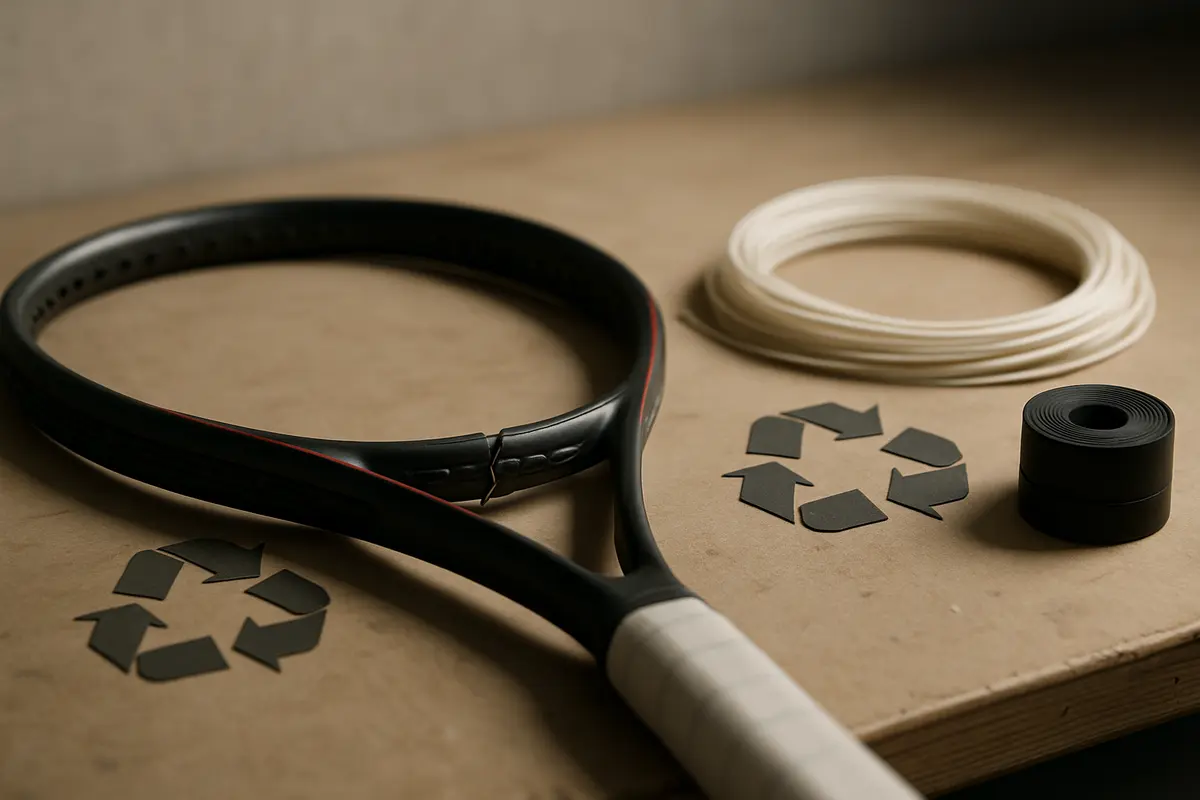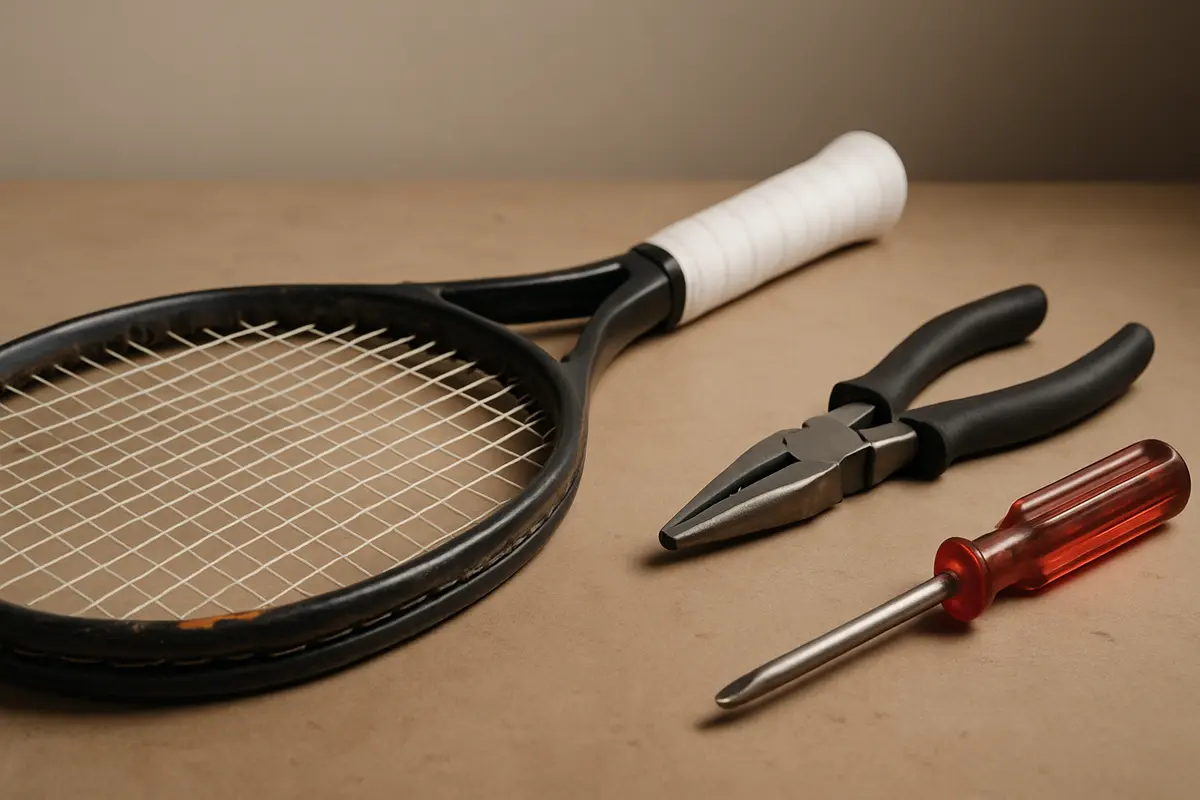
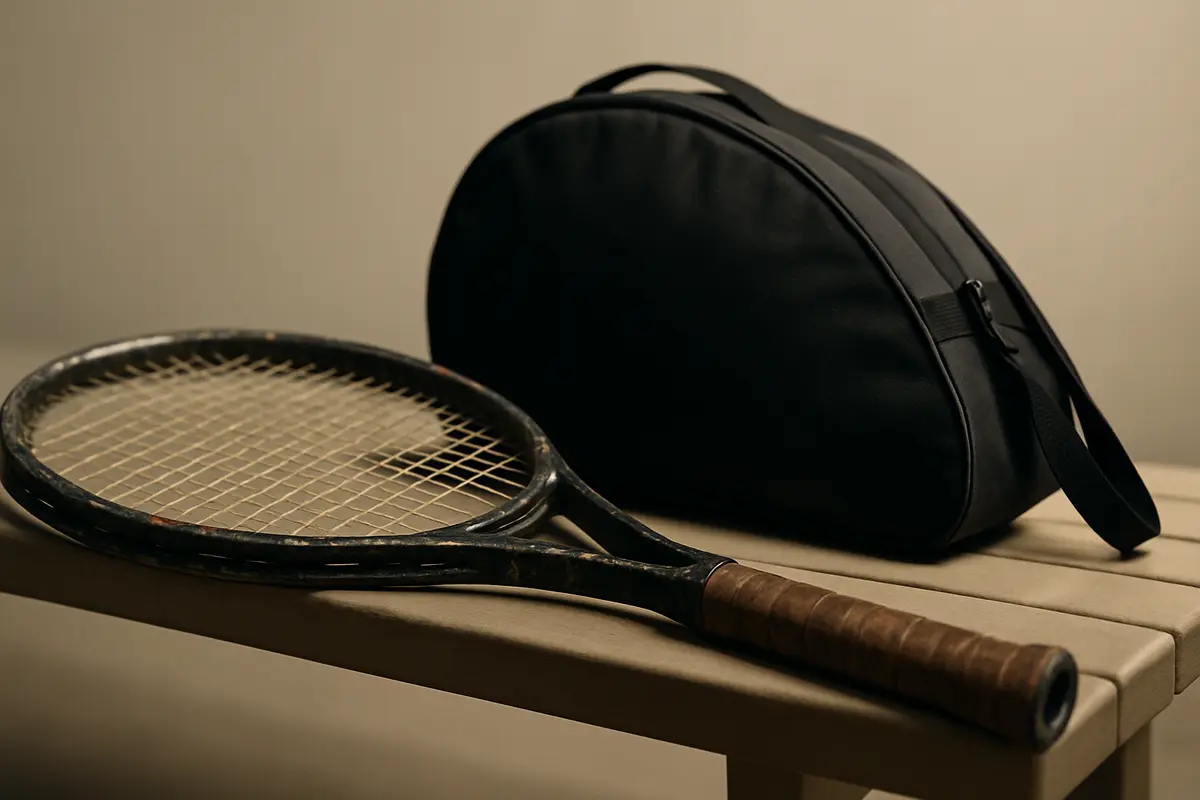
There is a racket at the back of my cupboard that I will never sell. The paintwork is scuffed along the throat, one grommet strip has a small split, and the grip tape has been replaced so many times the handle is slightly thicker than stock. It plays fine. It is just not worth much on the open market, and I know it. What I also know is that it would be exactly right for someone picking up a racket for the first time.
That tension sits at the heart of what we think about at EpicRackets. The marketplace exists because quality gear should not sit unused, and selling pre-owned frames is the obvious answer most of the time. But not every frame. Some rackets have crossed the line where their resale value is negligible, yet they still have real playing life left. For those, selling is not always the smartest move. Gifting might be.
How to tell whether a frame is genuinely good enough to give away#
The threshold for gifting is lower than for selling, but it is not zero. A beginner deserves a frame that will not actively hold them back or, worse, cause an injury through structural failure.
Work through this before you decide anything else. Check the frame for cracks, not just cosmetic chips. Run your fingers along the inside of the hoop and the throat: a hairline crack you can feel but not see is a reason to retire the frame entirely, not pass it on. Flex the frame gently at the shoulders. There should be no creak and no give beyond the normal flex of the material. If it moves in a way that feels wrong, it is done.
For a tennis racket, look at the grommets. Broken or missing grommets cause strings to cut against bare carbon or aluminium, which shortens string life dramatically and can lead to unexpected breakage mid-rally. A full grommet strip replacement costs a few pounds at any club pro shop, and doing that before you hand the frame over is a small gesture that matters. Check the strings too: a beginner does not need a freshly strung racket, but they do need one that is not dead. If the strings have not been replaced in over two years and the frame has been stored in a car boot or garage, restring it or factor in that the recipient will need to.
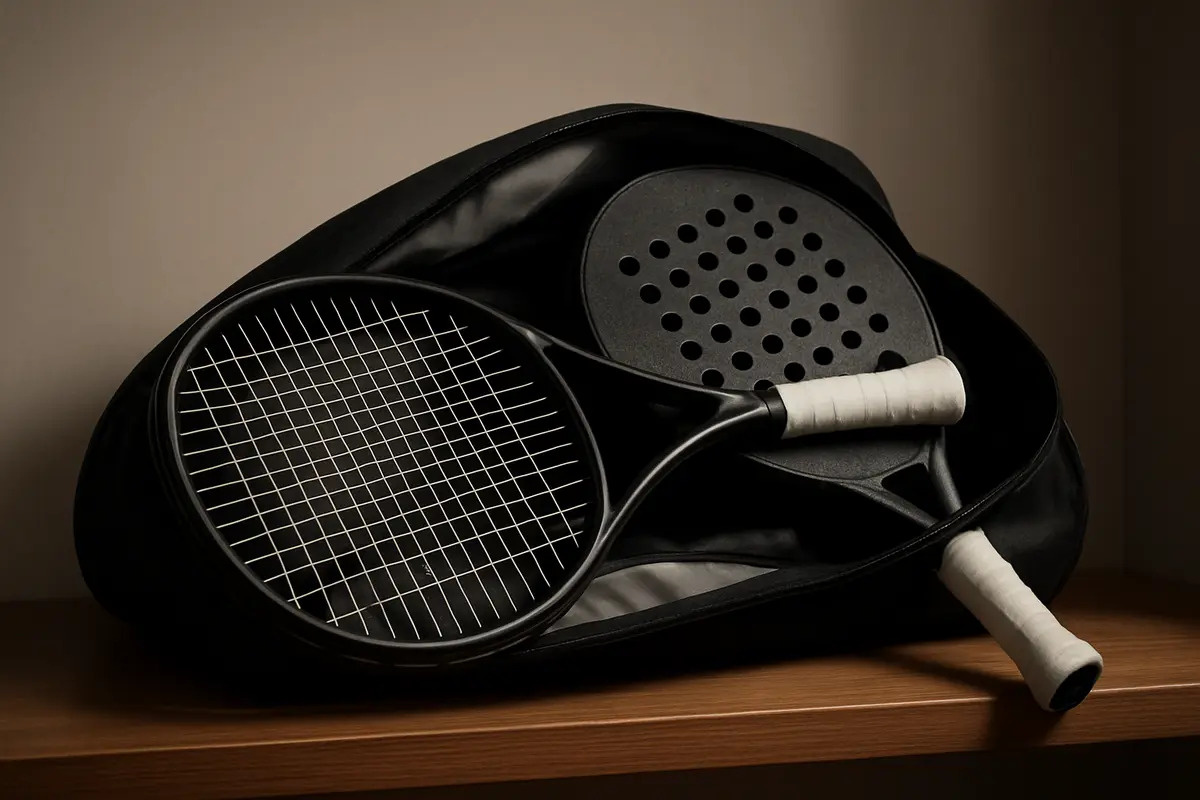
For a padel racket, the assessment is different because there are no strings to worry about. The hitting surface is a perforated face over an EVA foam core, and the thing that kills padel frames is delamination. Press firmly across the face and listen. A dull thud is fine. A hollow knock or a soft spot that depresses slightly means the face has separated from the core, and that frame is not safe to give to anyone.
A worn frame that passes a physical check is a legitimate gift. One that fails it is landfill, and pretending otherwise does not help anyone.
Where to actually find someone who wants it#
This is the part people skip, and it is why so many rackets stay in cupboards indefinitely. The recipient is usually closer than you think.
Your own club is the first place to look. Most clubs run beginner sessions or junior programmes, and the coaches running them are almost always short of spare frames for people who turn up without gear. Ask at the desk or message the head coach directly. A simple "I have a playable frame I am looking to pass on, does anyone here need one?" gets a reply within a day.
Schools are underserved and receptive. PE departments that run tennis or padel units often have ancient gear that needs replacing. A call to the school office asking for the PE coordinator takes five minutes. Local authority leisure centres with court bookings are similar: they sometimes run community coaching schemes and will take donations of playable gear.
Charitable schemes worth knowing about include the Lawn Tennis Association's public access programmes in the UK, which work with community venues to get more people playing. Tennis for Free operates across multiple UK sites and actively accepts equipment donations. A quick search for your nearest Park Tennis venue will usually surface a contact.
If you want to stay within the EpicRackets community, list the frame as available for collection at no cost. We built the marketplace to keep gear in play, and a free listing to a fellow player who is just starting out fits that exactly.
The honest environmental argument#
I want to be direct about this rather than vague. The environmental case for gifting a worn frame is real, but it is modest in isolation. One racket is one racket. The larger point is about habit and culture.
A frame that goes into a bin contributes to the material waste that makes sporting goods one of the less sustainable consumer categories. Carbon fibre and fibreglass composites do not biodegrade in any meaningful timeframe. Aluminium frames are more recyclable in principle, but in practice most end up in general waste. None of that is catastrophic at the individual level, but it adds up across millions of players upgrading every few years.
The more meaningful argument is the one about access. Gear cost is a genuine barrier to entry for a lot of people. A beginner who borrows a club racket for three sessions and then decides they want their own faces a decision: spend money on something they are not sure about yet, or stop. A donated frame removes that decision. That person plays more. They might become a regular. They eventually buy their own gear, possibly pre-owned, possibly through a marketplace like this one. The chain from donated worn frame to engaged player is not guaranteed, but it is real.
There is also something worth saying about what happens to the person donating. Selling a frame for £8 after fees and postage is not nothing, but it is close to nothing. Handing it to a junior at your club and watching them use it for a year is a different kind of return.
Sell, gift, or retire: a decision framework#
Use this when you are standing in front of a frame trying to decide what to do with it.
| Condition | Resale value | Best move |
|---|---|---|
| Minor cosmetic wear, plays well, full grommets | Moderate to good | List it as pre-owned |
| Heavy cosmetic wear, plays well, grommets intact | Low | Gift to a beginner or school |
| Plays well but structurally marginal (cracked grommet strip, worn grip core) | Very low | Small repair then gift, or retire |
| Structural crack, delaminated face (padel), broken throat | None | Retire. Do not pass on |
| Old but unplayed, stored well | Depends on model | Check current market, probably list |
The column that matters most is the middle one. If the honest resale value after fees and postage is under about £15, the effort of selling rarely makes sense. That is the zone where gifting wins on every measure.
What to do next#
If you have a frame sitting in a cupboard that you know you will not play with again, go through the physical checks above today. Ten minutes. If it passes, make one contact: your club coach, a local school, or a community scheme. If it does not pass, retire it properly rather than passing the problem on.
If you have frames that are worn but genuinely saleable, they belong in the marketplace. Pre-owned is smart, not second-best, and there are players right now searching for tennis rackets or padel rackets at a price point that makes sense for them. Listing takes a few minutes and keeps good gear in play.
For more on the broader case for pre-owned gear, the post on second-hand gear and sustainability covers the full picture. And if you are ever unsure whether a frame is genuine before you buy or accept one, the guide on how to spot a fake tennis racket is worth a read.
The cupboard is not a retirement home for rackets. It is just a delay.