The organisation that runs the Davis Cup, the Billie Jean King Cup, and tennis at the Olympics and Paralympics announced on Thursday 25 June that it is dropping the International Tennis Federation name. It is now simply World Tennis. According to the Associated Press, president David Haggerty framed the change as a chance to "redefine our role at the heart of world tennis and pledge our commitment to ensuring a strong, sustainable future for this brilliant sport." The move follows a trend in international sport governance - World Athletics made a similar switch years ago, and other federations have followed suit since.
On its own, a name change is a press-release story. But step back and there's something worth paying attention to here, especially if you're a tennis player in Portugal or Spain.
What World Tennis actually governs#
It's easy to forget just how much sits under the ITF's - sorry, World Tennis's - umbrella. The Davis Cup and the Billie Jean King Cup are the two most visible properties, and both mean a lot in Iberia: Spain has won the Davis Cup more than any other nation, and Portugal has been building steadily through the lower tiers of the competition. Olympic tennis, which has grown in profile since the Paris 2024 singles draws pulled huge audiences, is also entirely under this body's jurisdiction.
The rebrand signals that the organisation wants to be seen as the central, authoritative voice in the sport rather than one governing body among many. Whether that translates into anything concrete for club players and recreational buyers remains to be seen, but a more confident governing body tends to push harder for grassroots participation programmes - and more players on court means more demand for gear, new and pre-owned alike.
Why a stronger tennis identity is good news for the second-hand market#
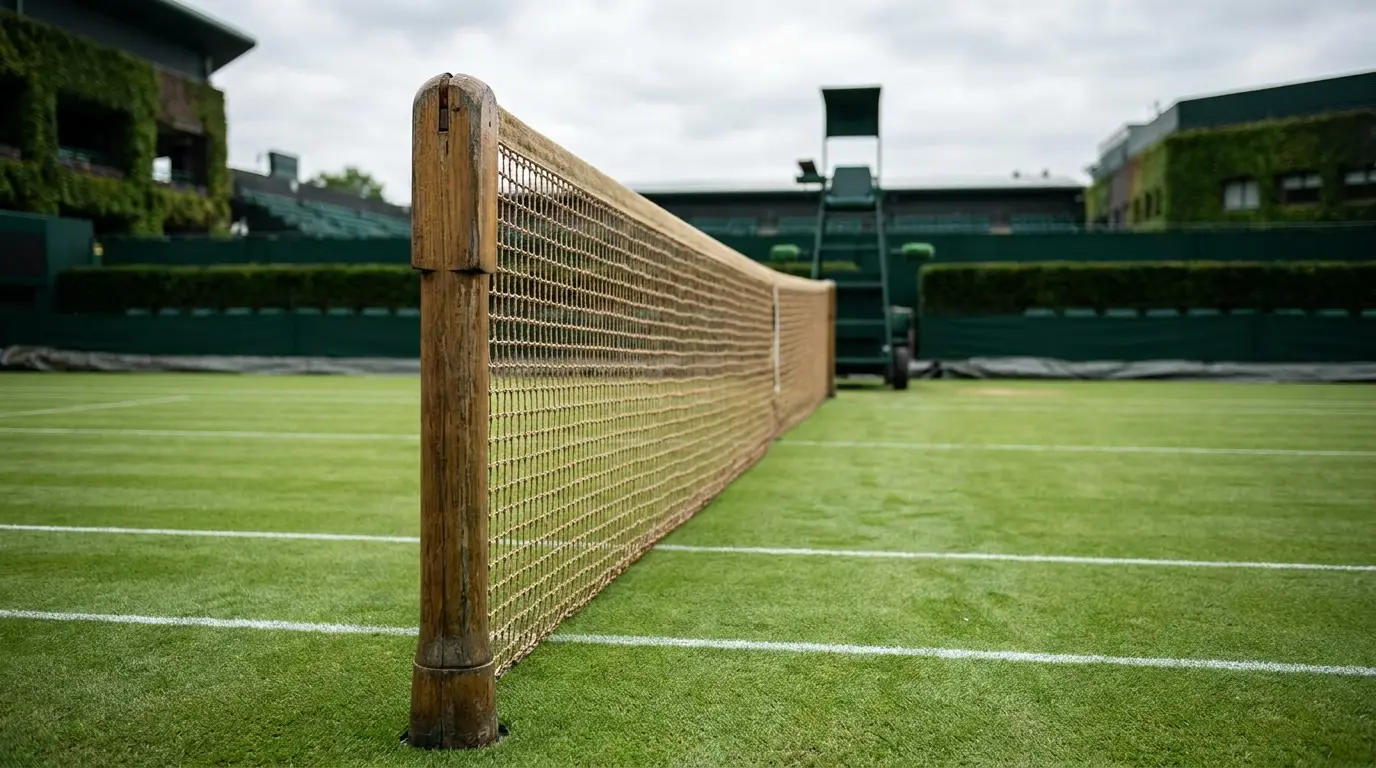
Tennis in Portugal and Spain has never quite had the mainstream pull that padel currently enjoys, but the sport is far from struggling. Clubs are full, the grass-court season generates genuine excitement, and Wimbledon - which starts on Monday - is the one Grand Slam that even non-tennis fans follow. A governing body that markets itself more cleanly as "World Tennis" rather than a three-letter acronym most recreational players couldn't decode is, at the margins, useful for the sport's image.
For the second-hand market specifically, stronger overall participation numbers feed directly into upgrade cycles. A player who starts because tennis looks appealing on TV buys a beginner racket. Eighteen months later they want something better and list the first frame for sale. That cycle is the whole basis of a pre-owned marketplace, and anything that keeps new players entering the sport keeps it turning.
What to keep in mind when buying or selling around a governance story#
| Factor | What it means for buyers and sellers |
|---|---|
| Davis Cup visibility | Renewed interest around Cup ties drives short-term searches for mid-range rackets |
| Olympic tennis under World Tennis | Higher profile = more casual players entering the sport post-Games |
| No immediate rule or equipment changes | Pre-owned values stay stable - no forced obsolescence |
| Wimbledon timing of the announcement | Grass-court season is peak search time for tennis gear |
The rebrand does not change any equipment regulations, string specifications, or tournament structures that would affect what rackets hold their value. Whatever your current frame is called on its throat block, it remains legal and playable.
If the timing of all this grass-court tennis has you thinking about an upgrade - or about clearing out a racket you've grown out of - have a browse of what's currently listed, or put your own frame to work. Search pre-owned tennis rackets or list yours for sale while Wimbledon keeps interest high.