Two rackets sitting in your bag that you no longer reach for. You could list them separately and wait for two different buyers to find you, or you could bundle them and aim for one clean sale. I have done both, and the answer is not always the obvious one.
This matters because the wrong call costs you either time or money, sometimes both. List a mismatched pair as a bundle and you scare off buyers who only want one. List two identical frames separately and you spend weeks fielding the same questions twice, shipping twice, and watching one sit unsold while the other goes in a day. Knowing which situation you are in before you write your listing saves a lot of frustration.
When a bundle actually makes sense#
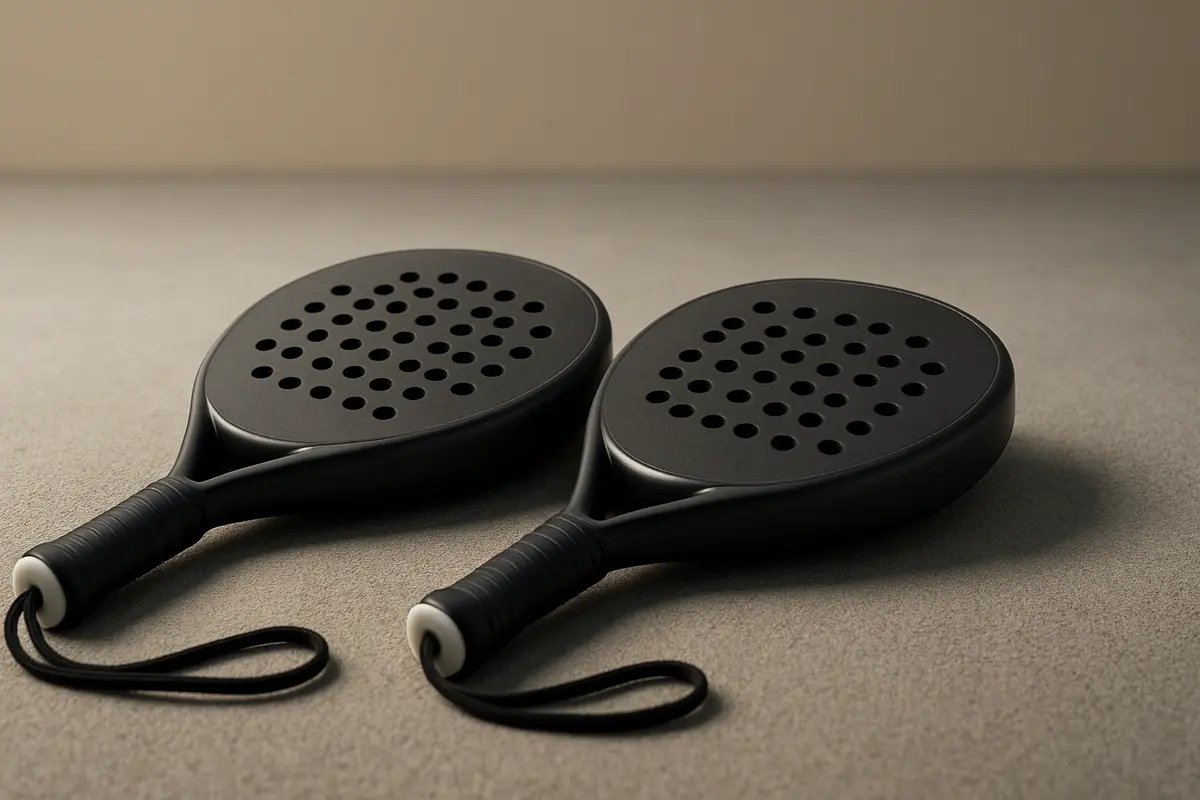
The strongest case for bundling is a matched pair: two frames of the same model, same weight class, same grip size, bought at the same time. Doubles players, coaches running group sessions, and clubs stocking their hire cupboard all want exactly this. They are not browsing for one racket; they are solving a procurement problem. A matched pair solves it in one transaction.
The second strong case is a clearout from a single period of play. Say you upgraded mid-season and you have your old frame plus a spare you bought as backup. They are not identical, but they are compatible in feel and era. A coach buying for a junior programme will take both rather than hunt separately. A padel player who wants a primary frame and a backup for their bag will consider the pair if the price is right.
The weak case is two frames that happen to be in your garage. Different brands, different technologies, different weight ranges: that is not a bundle, that is two listings sharing a photograph. Buyers will sense the lack of logic and either ignore it or lowball you on the assumption that you are desperate to clear space.
Bundle when there is a genuine reason a single buyer would want both frames. If you have to invent that reason, list separately.
How to price a bundle honestly#
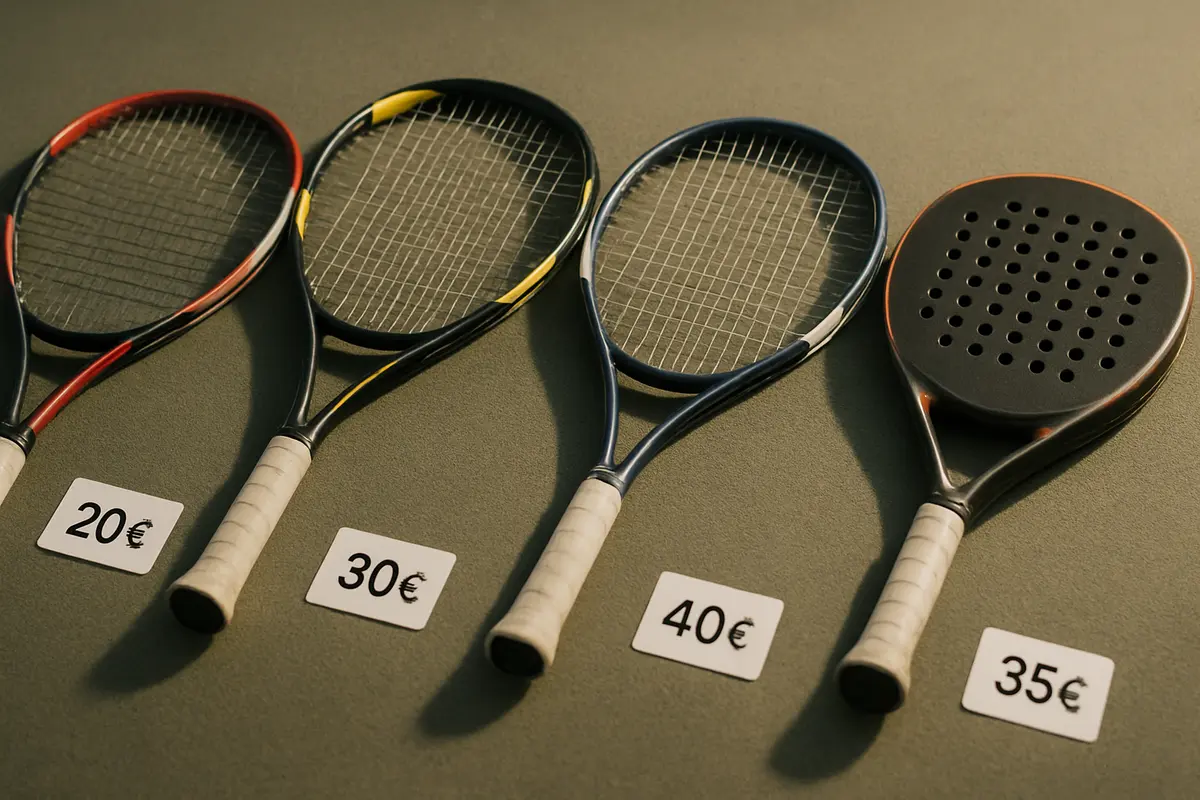
Bundling should give the buyer a real saving, not a cosmetic one. I use a simple anchor: establish what each frame would realistically sell for individually, then take 10 to 15 per cent off the combined figure. That gap is the incentive. It is enough to make the bundle feel worthwhile without leaving money on the table.
Do not price a bundle higher than the sum of the individual listings. It sounds obvious, but I have seen it done. The moment a buyer opens a calculator they are gone.
Condition matters more in a bundle because you are asking someone to commit to two items at once. If one frame is in better shape than the other, say so clearly in the listing and reflect it in the price. Transparency here builds trust; hiding a scuff on the second frame and hoping the buyer does not notice is how you get disputes.
Here is a quick reference for thinking through bundle pricing:
| Scenario | Individual value each | Bundle logic | Suggested bundle price |
|---|---|---|---|
| Matched pair, both excellent | £120 | 10% off combined | £216 |
| Matched pair, one has wear | £120 / £80 | 15% off combined | £170 |
| Compatible models, different brands | £120 / £90 | 10% off combined | £189 |
| Unrelated frames, different eras | £120 / £60 | List separately | N/A |
These are illustrative figures, not gospel. The point is the structure: anchor on individual value, apply a genuine discount, be honest about condition differences.
How to photograph and describe a bundle listing#
A bundle listing needs to do more work than a single-frame listing because you are asking the buyer to visualise using both. The lead photograph should show both frames together, side by side or slightly overlapping, on a clean neutral surface. A court or a wooden floor works. A crumpled towel does not.
Take individual close-up shots of each frame separately, including any wear marks. Buyers scrolling on a phone cannot assess condition from a group shot. Give them the evidence they need to feel confident.
In the description, answer the question the buyer is already asking: why would I want both? For a matched padel pair, that answer might be: consistent feel across both frames for a doubles partnership, or a primary and backup with identical playing characteristics. For a coach bundle, it is: two frames ready for back-to-back lessons without stopping to restring or swap grips. Write the answer in plain language, not marketing copy.
Include the key specs for each frame in the listing. For padel rackets: shape (round, teardrop, or diamond), core material, face material, weight range, and grip size. For tennis rackets: head size, unstrung weight, balance, and grip size. Buyers comparing multiple listings will thank you for making it easy. If you are listing padel rackets or tennis rackets on the marketplace, the spec fields are there for a reason: fill them in for both frames.
The decision checklist before you list#
Before you write a single word of your listing, work through this:
Is there a natural buyer for both frames together? Doubles player, coach, club hire, parent buying for two children at similar levels. If you can picture that buyer clearly, bundling is worth trying.
Are the frames genuinely compatible? Same model is ideal. Same brand and era is acceptable. Different brands with similar specs can work if you explain the logic. No obvious connection: list separately.
Is the combined condition honest? Both frames need individual condition notes. If one is significantly worse, price accordingly and say so.
Is your bundle price a real saving? Check the individual market rate for each frame. If your bundle price is not at least 10 per cent below the sum of those rates, you have not given the buyer a reason to commit.
Are you prepared to split if asked? Some buyers will enquire about taking just one. Decide in advance whether you are open to that, and at what price. If you are not open to splitting, say so in the listing. It saves everyone time.
If you answered yes to the first three and your pricing holds up on the fourth, list as a bundle. If you hesitated on any of them, list individually.
What to do next#
If you are ready to list, the selling guide walks through the process on the marketplace. For more on presenting pre-owned gear honestly and attracting the right buyers, the post on selling pre-owned rackets covers condition grading and description writing in more detail.
One last thing worth saying: a well-priced bundle of quality frames moves faster than a single frame at a stubborn price. I have watched sellers hold out for top individual prices on two identical frames, list them separately, and sell one in a week and the other in three months. The maths on a 12 per cent bundle discount often beats the maths on waiting. Pre-owned gear does the most good when it is actually in someone's hands and being played with, not sitting in a listing.